Topic · Gokhshtein Media
Middle East
Iran, Israel, the Gulf, and the conflicts and deals that move oil, shipping, and markets
30 stories · Updated 3d agoThe region sits on the world’s most important energy supply and its most important shipping lanes, which is why events there reach oil prices, freight rates, and risk appetite within hours. This hub gathers the World desk’s Middle East coverage: the conflicts, the ceasefires and negotiations, the Gulf states’ investment power, and what each development means beyond the region.
Coverage led by The World Desk
The basics · reviewed September 25, 2026
- Why do Middle East events move oil prices?
- A large share of the world’s oil is produced in the region and much of it ships through the Strait of Hormuz, so any threat to production or shipping raises the risk premium in oil prices even before physical supply is affected.
- What is the significance of the Strait of Hormuz and the Red Sea?
- Hormuz is the passage for oil and gas exports from the Gulf; the Red Sea and the Suez Canal are the shortest shipping route between Asia and Europe. Disruption to either raises energy prices, shipping costs, and delivery times worldwide.
- Why do the Gulf states matter to markets beyond energy?
- Their sovereign wealth funds are among the largest investors in the world, with stakes in technology, sports, real estate, and private companies across every major market. Their investment decisions and their diplomatic alignments are followed as closely as their oil output.
Terms to know

Macro & Rates
Stock, Bond Futures Rise as Oil Retreats Post-Saudi Attacks
U.S. equity and Treasury futures advanced Monday as crude oil prices declined following attacks on Saudi Arabia, easing supply shock concerns

Houthis Escalate Strikes as Saudi Arabia Weighs Limited Options

Saudi Airport Attack Tests Trump's Middle East Strategy

Pentagon Reports 21 U.S. Deaths in Iran Conflict as Congress Demands Answers
More on Middle East
U.S. Equities
Gulf Tanker Crisis Averted: Energy Sector Risk Removed

Voices
ZeroHedge Reports Hurricane Isaias Slams Gulf Coast Refineries Spared

Voices
Elizabeth Warren Calls for End to Iran War to Lower Gas Prices

Politics & Policy
DOJ Investigates Binance Iran Sanctions Compliance

Politics & Policy
Treasury Sanctions Iran's Oil Shipping Network

U.S. Equities
ExxonMobil, Chevron Gain on Gulf Supply Shock

Macro & Rates
Saudi Attacks Jolt Oil Markets — Treasuries Rally as Inflation Hedge Fades

Macro & Rates
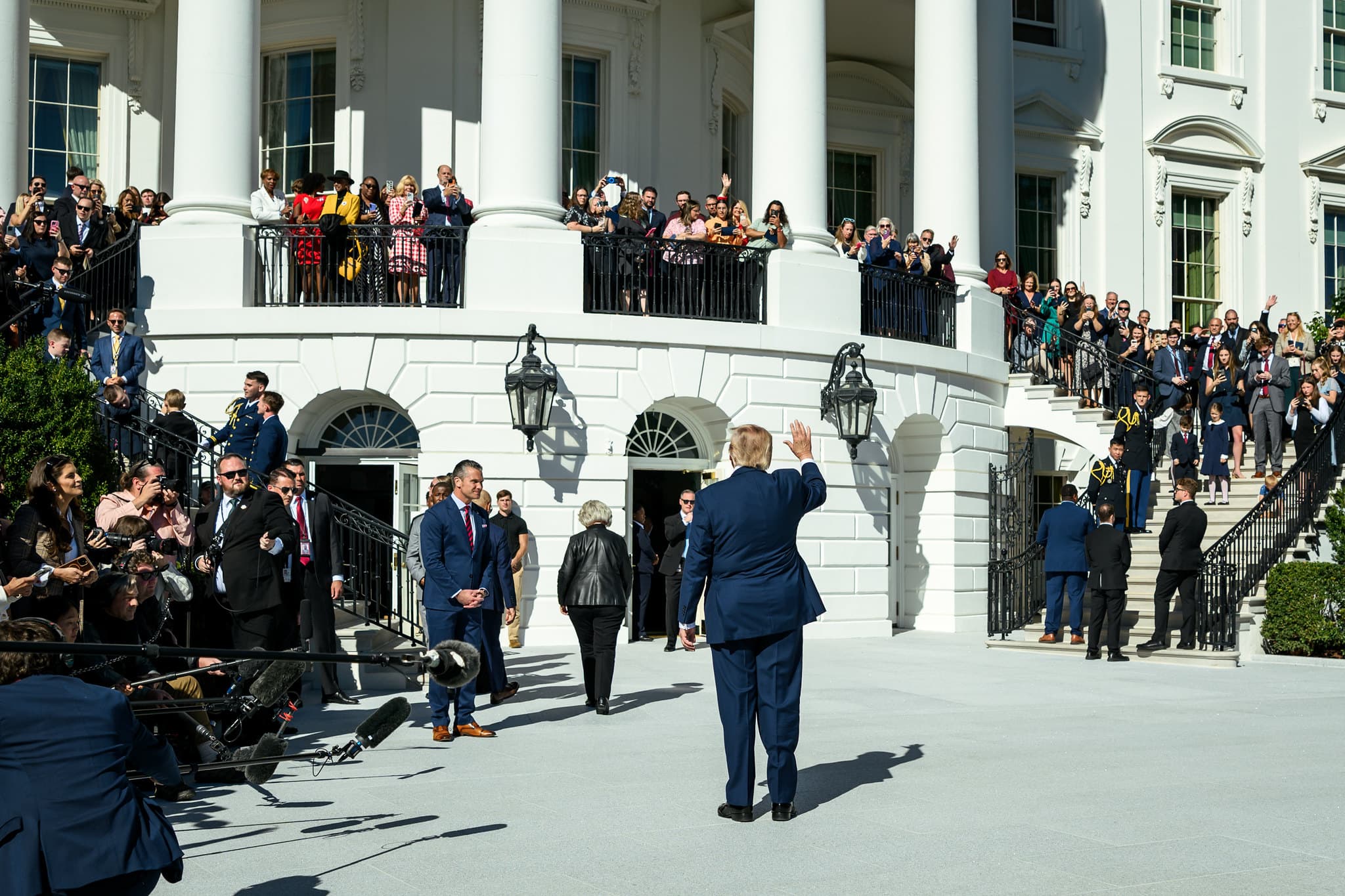
Trump Iran Talk Shows Oil Supply Relief—Curve Flattens as Inflation Bets Ease
U.S. Equities
Gulf Oil Shutdown Lifts Energy Stocks as Crude Surges

U.S. Equities
Isaias Cuts Gulf Oil Output 25%; Chevron and ExxonMobil Face Q4 Earnings Hit

U.S. Equities
Iran Nuclear Impasse Shows Oil Risk for Energy Stocks

Politics & Policy
Red Sea Attacks Spike Shipping Costs, Forcing Congress to Act

Politics & Policy
Voices Reflect on Three Years Since Oct. 7 Attack in Israel

World
Iran's Oil Minister Resigns During Economic Crisis and Missing Revenues

Macro & Rates
Red Sea Shipping Gains Ease Inflation Risk Premium in Bonds

World
Israel Marks Three Years Since October 7 Attack

U.S. Equities
ExxonMobil and Chevron Rally on Houthi Supply Risk; Analyst Raises XOM to $130

Macro & Rates
U.S. Crude Inventories Fall 2.09M Barrels as Gulf Producers Reroute Supply
Digital Assets
Iran Oil Exports Frozen Since Aug. 25 as Bessent Shows Sanctions Squeeze

World
Israeli Election Nears With No Clear Majority Path
Research & Analysis
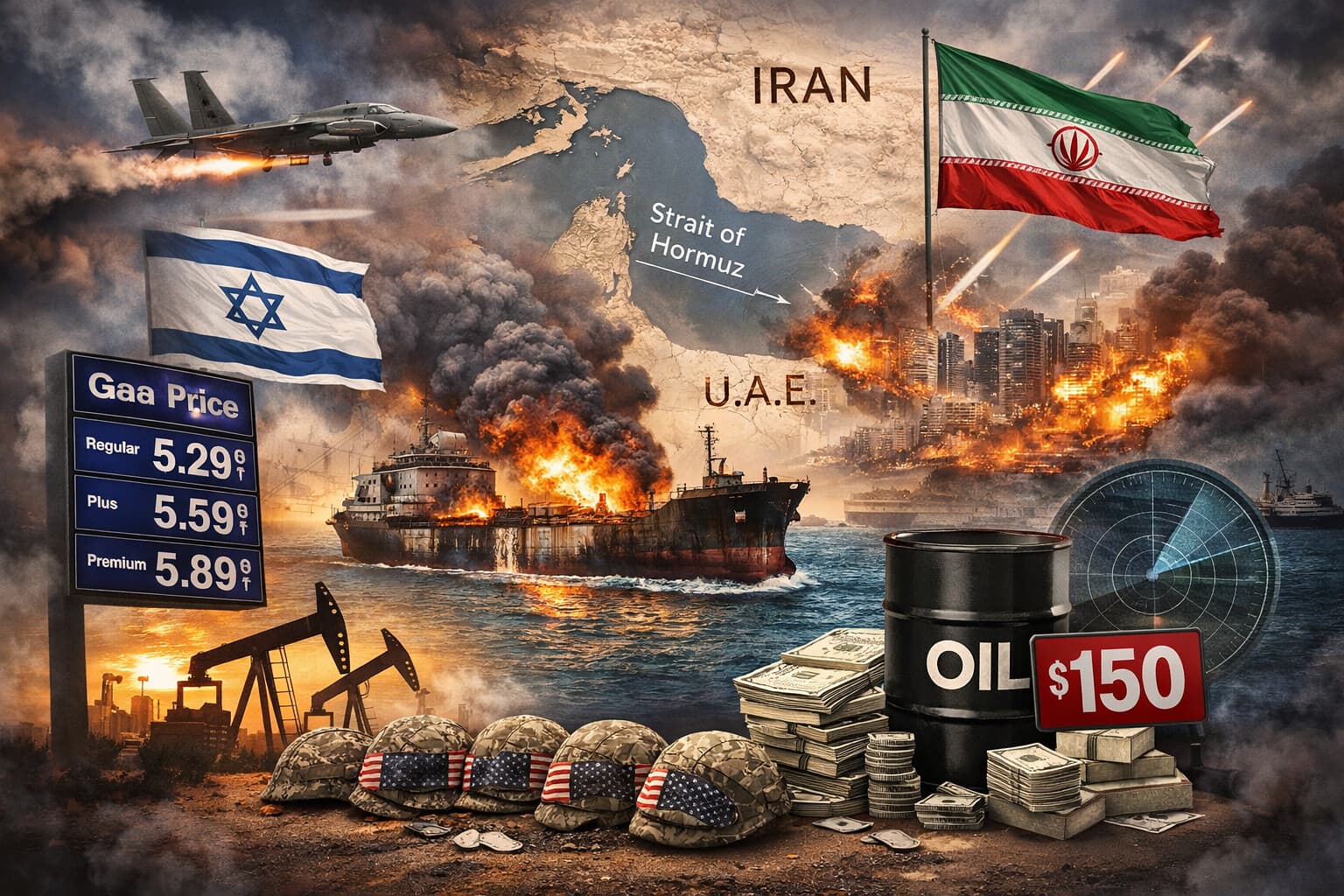
Iran's Hormuz Campaign Grows as Oil Flows Stabilize at 80 Percent
U.S. Equities
Iran Explosion Adds Risk to Energy Stocks; XOM, CVX in Focus

World
CENTCOM Denies U.S. Navy Helicopter Crashed in Red Sea

Politics & Policy
Houthis Strike Saudi Airports as Yemen Conflict Deepens

Macro & Rates
U.S. AI Chip Exports to Gulf States Lack Dollar Settlement Clause

World
Houthis Claim Strikes on Riyadh Airport, Saudi Oil Facilities
