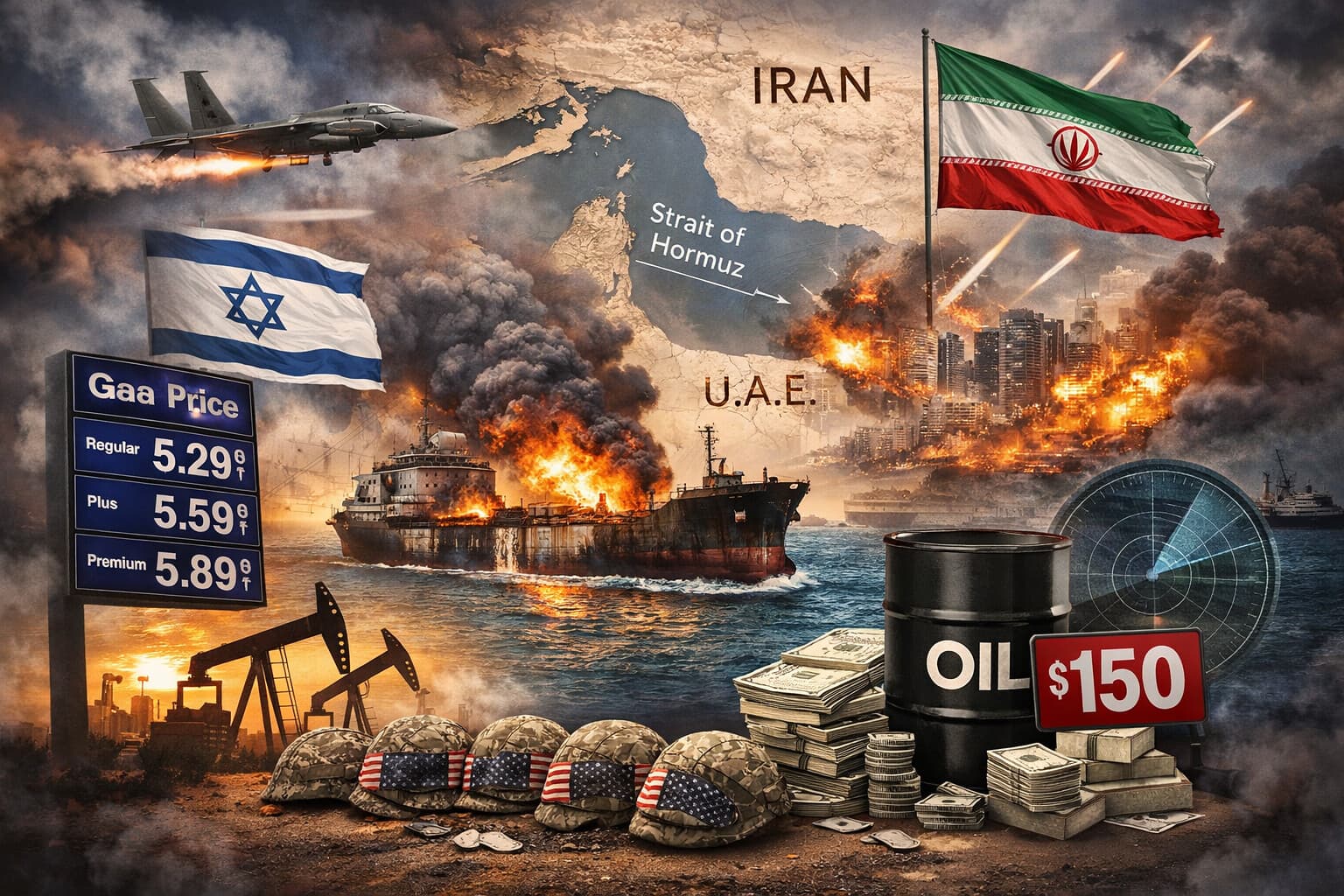
Two oil tankers were disabled by explosions in the Strait of Hormuz, the Islamic new Guard Corps announced. The incident sent crude oil futures higher, pushing market-implied inflation expectations upward. Ten-year Treasury yields rose six basis points to 4.31 percent, reflecting bond investors' repricing of geopolitical risk and duration exposure.
Approximately 21 million barrels per day—roughly one-fifth of global oil supply—flows through the Strait of Hormuz. Any sustained disruption threatens to elevate energy costs, complicating central bank disinflation efforts and potentially forcing the Federal Reserve to hold rates higher for longer. Bond investors are now watching for inflation persistence, particularly in core measures that could steepen the yield curve if energy prices remain elevated.
The selloff in longer-dated bonds reflected the market's recalibration. While the S&P 500 rose 1.3 percent, short-term Treasuries outperformed riskier assets in an early flight to quality. The dollar index gained 0.3 percent, signaling demand for safe-haven assets and putting pressure on emerging market credit spreads.
The Energy Information Administration's weekly crude inventory report, due Wednesday, will provide the next supply-demand data point. Any further escalation could trigger emergency meetings among G7 energy ministers on strategic petroleum reserve releases.


