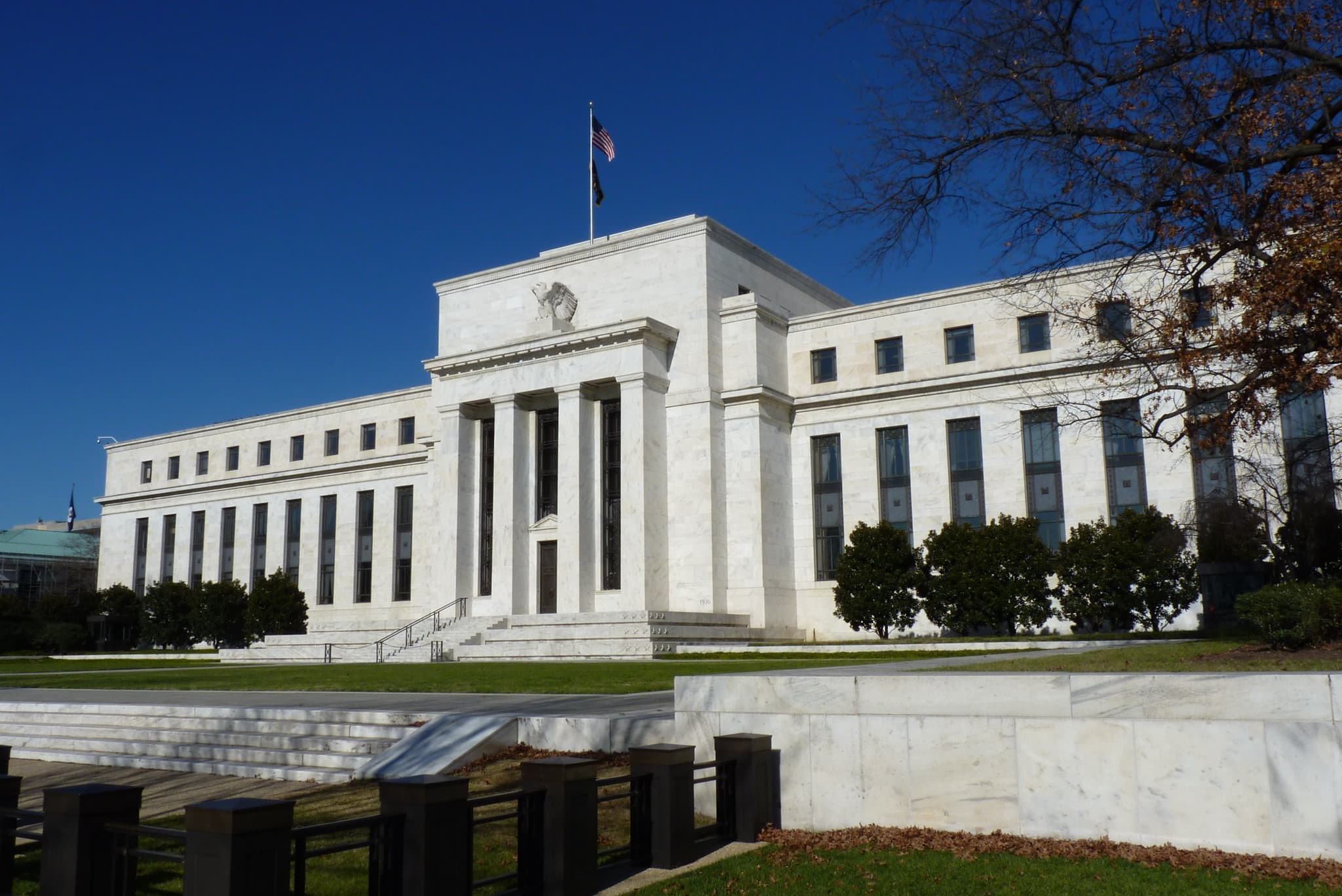
Federal Reserve Chair Kevin Warsh broke a two-decade tradition Friday by declining to signal the future direction of interest rates during his Jackson Hole speech, instead emphasizing inflation as the central bank's primary concern.
Warsh acknowledged the U.S. economy is at "full employment" but called inflation "more concerning." His decision to withhold explicit guidance reflects a deliberate shift in his communication strategy since taking office three months ago: a retreat from the public forward-looking statements that have historically guided market expectations.
The move has left institutional traders without the yield-curve roadmap they traditionally extract from the Fed chair's Jackson Hole keynote. Bond markets surged long-term yields in recent weeks after Warsh's post-meeting news conference, signaling trader concern that the Fed may underestimate persistent price pressures.
Warsh defended the approach: "A quieter Fed, more purposeful in its communications, is better able to meet its objectives." He distinguished between withholding a "reaction function"—the specific economic data and decision-making framework the Fed monitors—and traditional "forward guidance," which explicitly projects future rate paths.
Market participants have historically relied on Fed chairs to articulate both. When asked why he would not provide either, Warsh said: "I wish our understanding of the economy were so precise as to provide a mechanical, tried-and-true answer. But our knowledge just doesn't extend that far—at least not yet—and the factors most relevant to the proper conduct of monetary policy change over time."
Some Federal Open Market Committee members are discussing the first rate increase since July 2023, reflecting intensifying concern over inflation persistence. The shift leaves traders parsing Warsh's framing: the Fed views inflation as the binding constraint, not recession risk, but the chair will not explicitly commit to tightening.
Rising government deficits and expanded corporate bond issuance have already pressured yields higher. With the federal government facing massive interest payments on $40 trillion in debt, fixed-income investors now face duration risk as yields adjust to higher real rates.