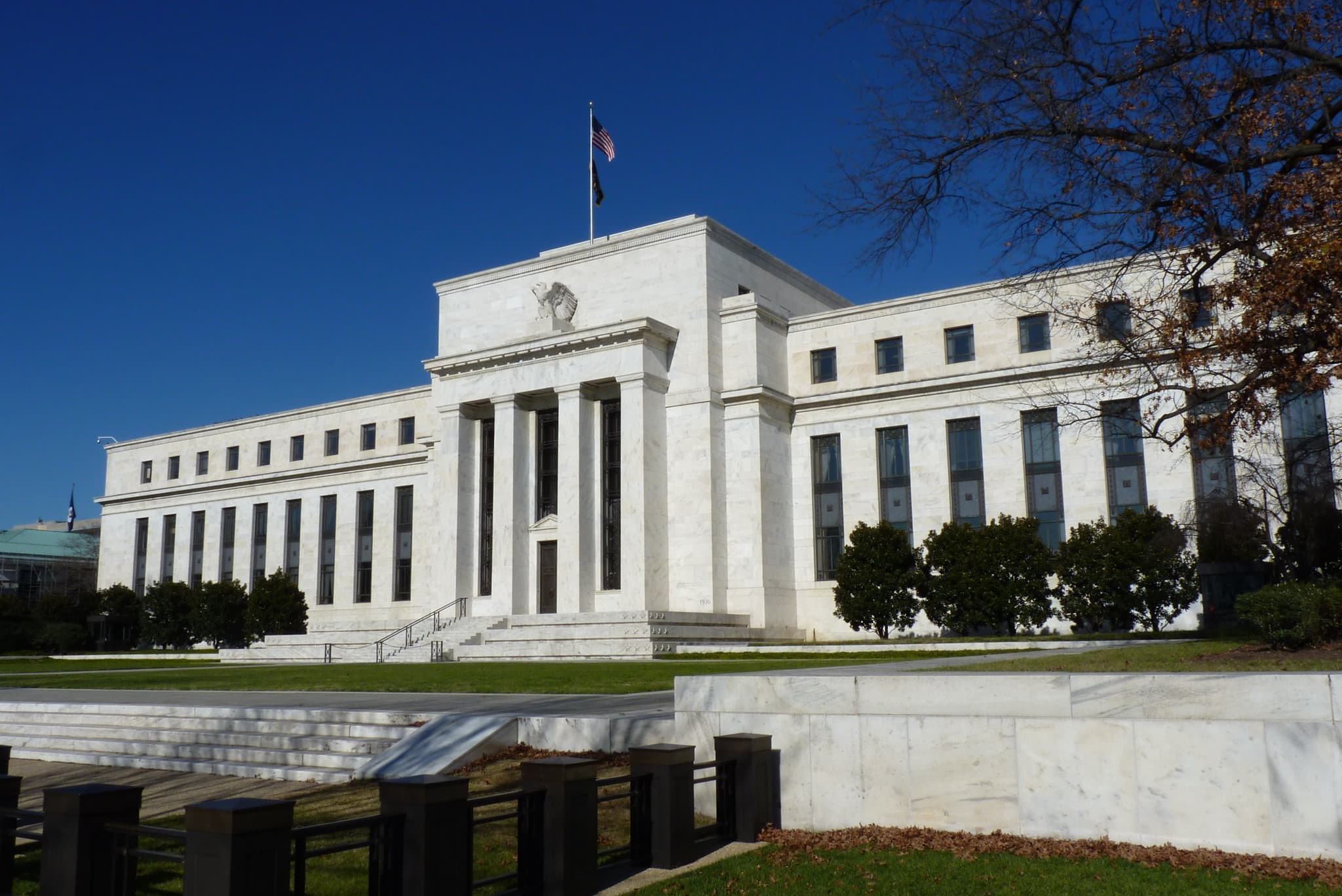
WASHINGTON — The Federal Reserve raised its benchmark interest rate Wednesday by a quarter-point, setting the new target range at 3.75% to 4.00%, marking the central bank's first increase since summer 2023.
Inflation has remained above the Fed's 2 percent target for more than five years. The Labor Department reported consumer prices rose 3.4 percent in August compared to a year earlier, with the monthly gain jumping to 0.4 percent from 0.1 percent in July.
Federal Reserve Chair Kevin Warsh, who assumed office in May, told Congress the Fed "has no tolerance for persistently elevated inflation."
The hike directly impacts the front end of the yield curve, pushing short-term Treasury yields higher as bond traders reprice forward rate expectations. The Fed's strategy is to slow consumer and business spending by raising borrowing costs, reducing demand for homes, cars and other goods to cool inflation.
For existing bond portfolios, duration risk increases, creating mark-to-market losses on longer-dated instruments. Traders will now parse economic data and Fed communications for signals on subsequent rate adjustments, which will drive spread compression across credit sectors.
For borrowers, the rate hike makes new credit more expensive on mortgages, auto loans and credit cards. A quarter-point increase adds roughly a few dollars to the monthly payment on a $40,000 auto loan, according to analyst estimates.
U.S. household debt payments remain relatively low as a percentage of after-tax income, suggesting many households may not experience an immediate heavier debt burden.
Savers stand to benefit. The Fed does not directly set rates on savings accounts and certificates of deposit, but its actions set the tone for deposit rates across the banking system. The average rate on a one-year CD was 0.15 percent in March 2022, when the Fed began its rate-hiking cycle. That climbed to 1.88 percent by September 2024 and stood at 1.71 percent last month.