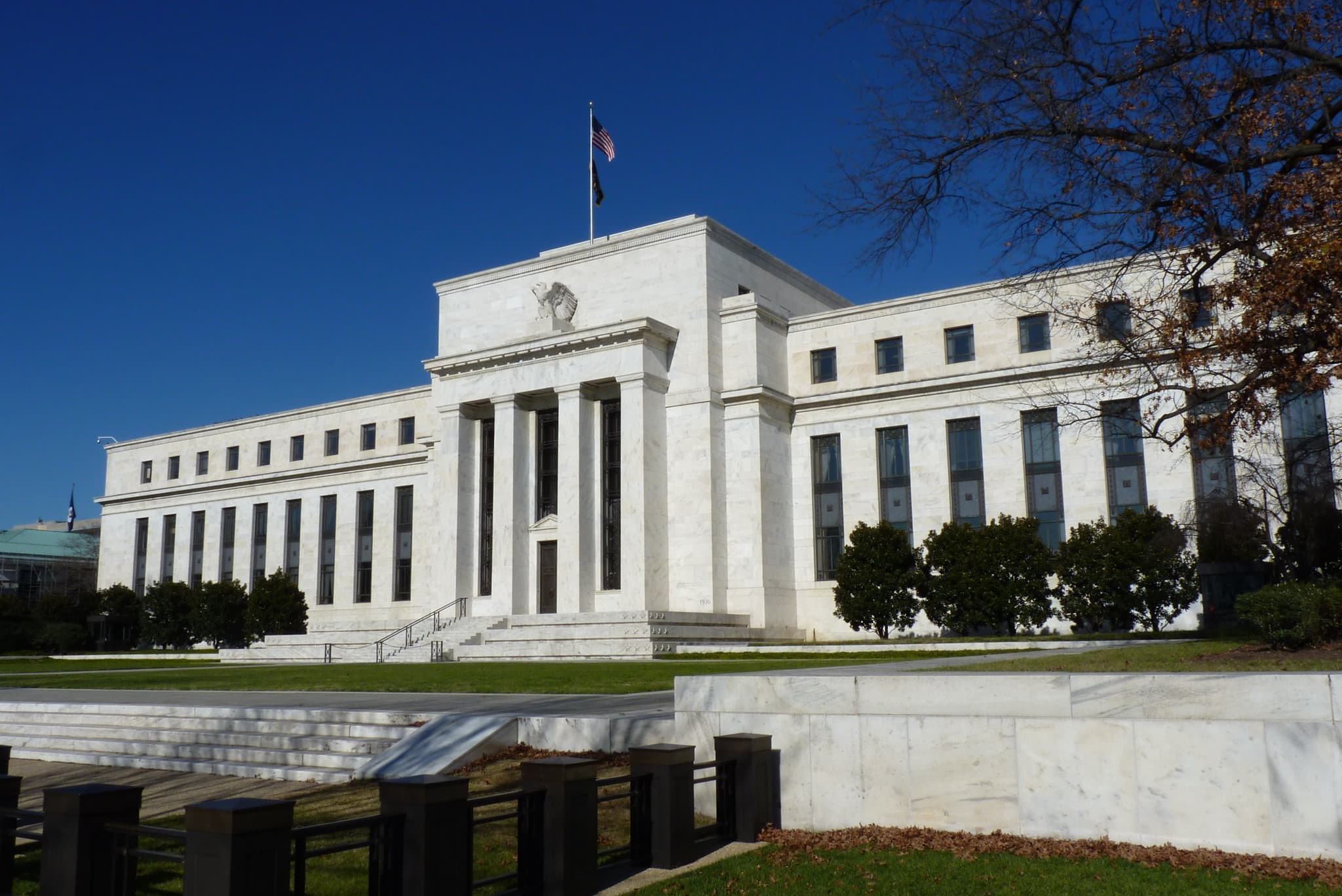
Federal Reserve Chair Kevin Warsh delivered a hawkish speech, asserting he would be "hard pressed to describe broad financial conditions as restrictive." This assessment signals the central bank sees ample liquidity and accommodative credit conditions persisting in the economy—and no urgency to cut rates.
Warsh made clear that inflation remains the central bank's primary concern. The 12-month Personal Consumption Expenditures measure stands at 3.7 percent, while the six-month PCE is running at 4.1 percent. Roughly half of all PCE components continue to rise by more than 3 percent.
Recent summer inflation readings, while better than anticipated, "do not tell me that underlying trends have meaningfully improved," Warsh said. This indicates the Fed requires stronger evidence of disinflation before shifting policy. He reiterated the firm 2 percent PCE target, emphasizing inflation is not automatically mean-reverting.
Warsh took direct responsibility for the inflationary environment. "The responsibility for 65 months of sustained, elevated inflation sits squarely with the central bank," he said. This admission underscores the Fed's commitment to restoring price stability.
Economic fundamentals support his assessment that financial conditions remain loose. Output and labor markets are solid, with capital expenditures strong—much of it tied to artificial intelligence. Corporate profits have risen approximately 20 percent, credit spreads are tight, lending standards are easy, and unemployment stands at 4.1 percent with very low claims. The private domestic final purchases deflator is running near 3 percent.
Warsh stressed that the policy rate is the main tool for monetary intervention, reserving unconventional tools only for genuine crises. He also emphasized that "money matters," urging close attention to the monetary base and bank-created money.
Warsh restated his opposition to regular forward guidance, describing it as a "crisis-era tool that has overstayed its welcome." He warned against a "hall-of-mirrors" problem, where the Fed and markets excessively influence each other, potentially causing both to miss critical turning points.
The Chair rejected publishing an explicit reaction function or mechanical rule for policy, arguing that economic uncertainty is too high. He cited 2021-style guidance as an example that delayed the necessary response to inflation. Markets should form their own views based on real, contemporaneous data and trends rather than relying on the Fed as the primary source for trading signals, Warsh said.
Warsh identified artificial intelligence as a potential "hinge point" for substantially higher growth. A productivity-and-jobs task force is addressing questions about AI's timing, labor impact, capital intensity, and surplus distribution, though those findings will not influence current policy decisions.
The Chair's standard for action is explicit: policymakers must be "confident that underlying inflation is moving to our objective, clearly and at sufficient speed. Otherwise, we have work to do." This hawkish stance implies the yield curve faces upward pressure on the short end as markets digest the possibility of higher-for-longer rates. Duration risk remains elevated for bondholders as policy rates are likely to stay restrictive.