The 10-year Treasury yield fell more than 7 basis points Tuesday to 4.629 percent, pulled lower by a sharp drop in oil prices after the United States moved toward economic sanctions on Iran rather than military strikes. The relief rally ran across the curve — the 30-year bond yield dropped more than 6 basis points to 5.163 percent, and the 2-year note shed more than 5 basis points to 4.183 percent.
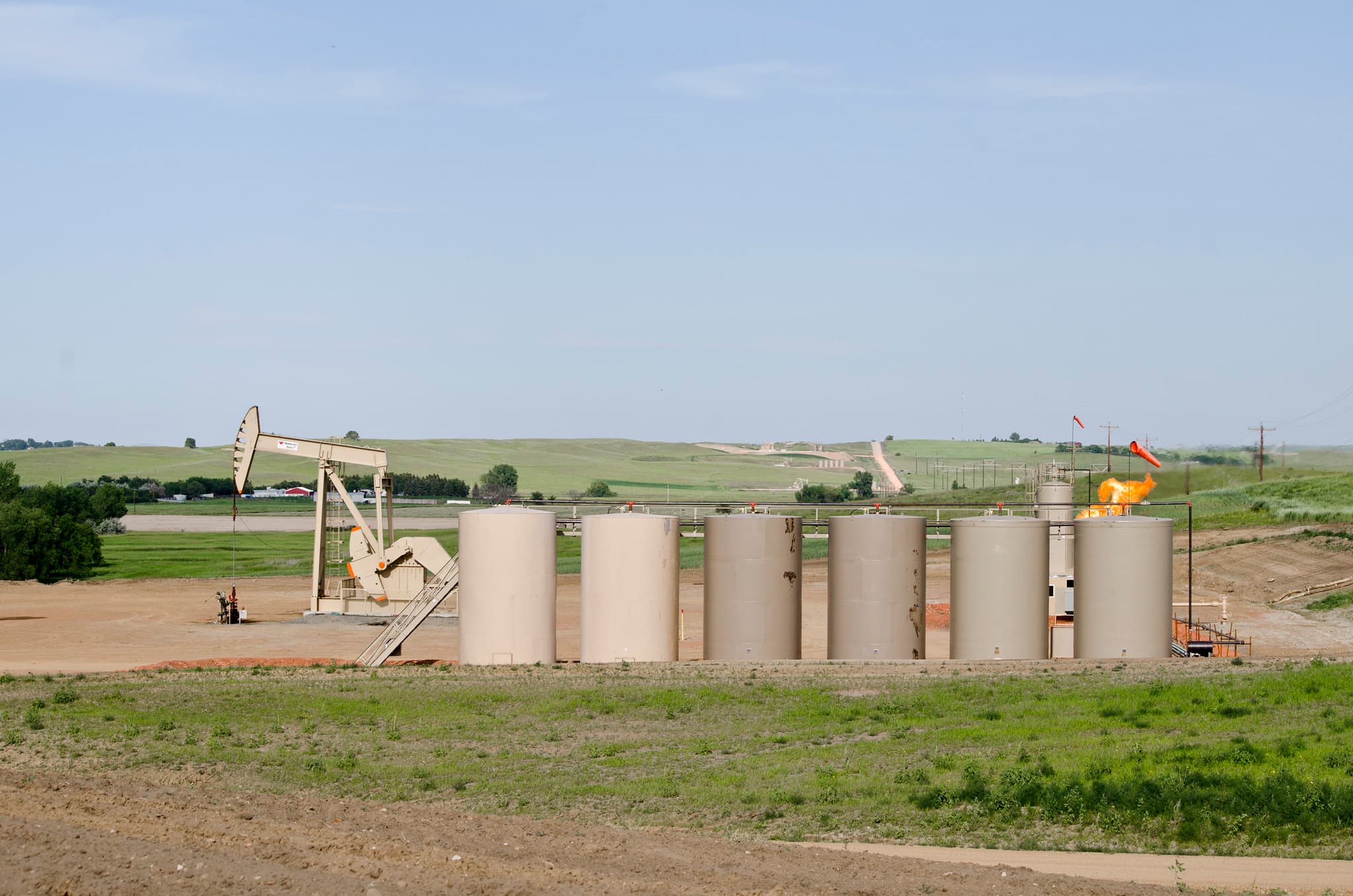
Brent crude, the international benchmark, fell 3.2 percent to $89.20 per barrel. U.S. West Texas Intermediate crude dropped 3.3 percent to $82.21 a barrel. Cheaper energy reduces near-term inflation pressure, giving the bond market room to price out some of the risk premium that had been accumulating at the long end of the curve.
The 30-year yield at 5.163 percent remains elevated by historical standards and continues to draw attention from duration-sensitive investors. When the long end holds near multi-decade highs, the cost of holding mortgage-backed securities and long-dated corporate bonds rises in lockstep — the 10-year's 4.629 percent level sets the floor for 30-year fixed mortgage rates, which are benchmarked closely to it.
On Monday, two senior Treasury officials indicated that the Treasury's General Account — sitting near $1 trillion — could be used to fund expanded repurchases of government bonds. The officials did not specify how much of the General Account balance the Treasury planned to deploy toward the buybacks. Using it to finance buybacks of existing bonds removes supply from the market, pushing prices up and yields down without the Fed having to act. Treasury Secretary Scott Bessent's broader intervention last week kept bond markets on alert for additional moves from the Treasury side of the equation.
Consumer confidence deteriorated in August, falling to 89.4 from 90.2 in July — the lowest reading since January. Weak consumer confidence data typically reduces expectations for economic growth and, by extension, for inflation, which supports bond prices. The August Conference Board reading underscores strain in the consumer, the primary engine of U.S. GDP.
Federal Reserve Chair Kevin Warsh will deliver a keynote address Friday at the Jackson Hole Symposium — the week's defining event for rates markets. The long end of the curve faces particular pressure. When a Fed chair fails to anchor rate expectations, investors demand a higher term premium — the extra yield they require to hold a 10-year or 30-year bond rather than rolling short-term pa. That term premium has been driving the 30-year above 5 percent in recent sessions. A Jackson Hole speech that delivers no new guidance on the rate path leaves the long end without a catalyst to compress spreads.
Wednesday brings two pieces of data that will shape how investors position into Friday. The July personal consumption expenditure index — the Fed's preferred inflation gauge — is due Wednesday morning. The Bureau of Economic Analysis will also release its second-quarter GDP estimate the same day. The PCE reading matters directly: the Fed's 2 percent inflation target is defined in PCE terms, not CPI, and any overshoot in the July print will harden the case for a prolonged pause.
The 2-year Treasury at 4.183 percent reflects current rate expectations most directly — short-duration Treasuries move in line with where the market prices Fed funds over the next 12 to 24 months. The spread between the 2-year and the 10-year — roughly 44 basis points as of Tuesday's close — shows a curve in normal territory after an extended period of inversion, though the steepening has been driven more by the long end rising than by the short end falling. A PCE print above consensus Wednesday, or a Warsh speech Friday that offers no cut signal, keeps the long end under pressure and that spread narrow.