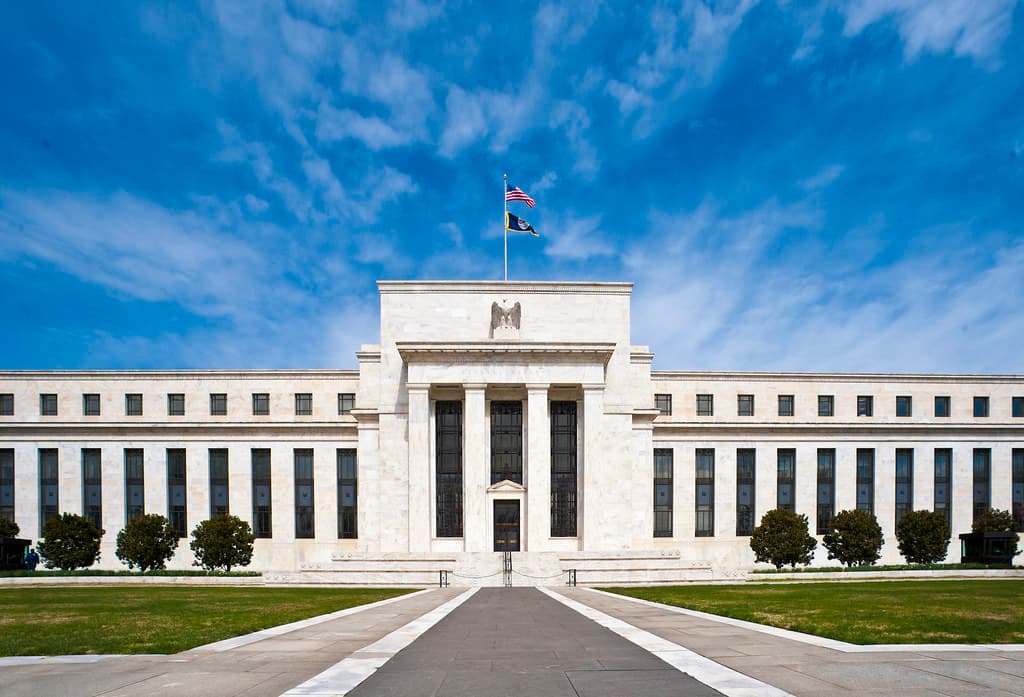
The White House sent a letter to Federal Reserve Governor Lisa Cook last week demanding a response within three weeks regarding alleged mortgage fraud and signaling it considers her removal. The move renews the Trump administration's clash with the central bank.
The three-week deadline falls just before the Fed's Sept. 15-16 meeting, where the Federal Open Market Committee remains split on future rate adjustments. The timing sharpens scrutiny on central bank independence at a delicate moment for policy.
Bond investors are already testing Federal Reserve Chair Kevin Warsh, who took office in May. Borrowing costs have spiked, pressuring the new chair as he deals with market volatility and political interference from the White House.
Futures markets currently price a 75 percent chance of a quarter-point rate increase by the November elections. The outcome of the September meeting is seen as a coin toss, reflecting deep market uncertainty.
The administration's push to remove Cook signals anxiety that the Fed may raise rates as soon as next month. It also implies President Trump believes his appointee, Chair Warsh, may not be able to block a hike even if Trump wants lower rates.
Economic drivers for potential tightening include nearly six years of above-target inflation and elevated core price increases. An Iran-related energy shock over the past six months has added to persistent inflationary pressure.
Trump's effort against Cook follows a June Supreme Court ruling that affirmed the Fed's statutory protections. That ruling left unresolved whether the mortgage fraud allegations—which Cook's attorney calls baseless—constitute grounds for removal.
Tim Duy, chief U.S. economist at SGH Macro Advisors, said the question of Fed independence remains unresolved, suggesting Chair Warsh is either unwilling or unable to support Trump's call to cut rates in the face of elevated inflation.
Warsh faces challenges establishing policy clarity. Market participants are uneasy about his vague inflation targets and his stated preference for less public communication.
Maintaining distance from political influence may prove difficult for Warsh. President Trump has called the Fed chair repeatedly since Warsh assumed his position in May.
Increased uncertainty over Fed personnel and policy is hitting duration risk directly. Bond yields have jumped, reflecting a recalibration of rate expectations and a higher political risk premium across the yield curve.