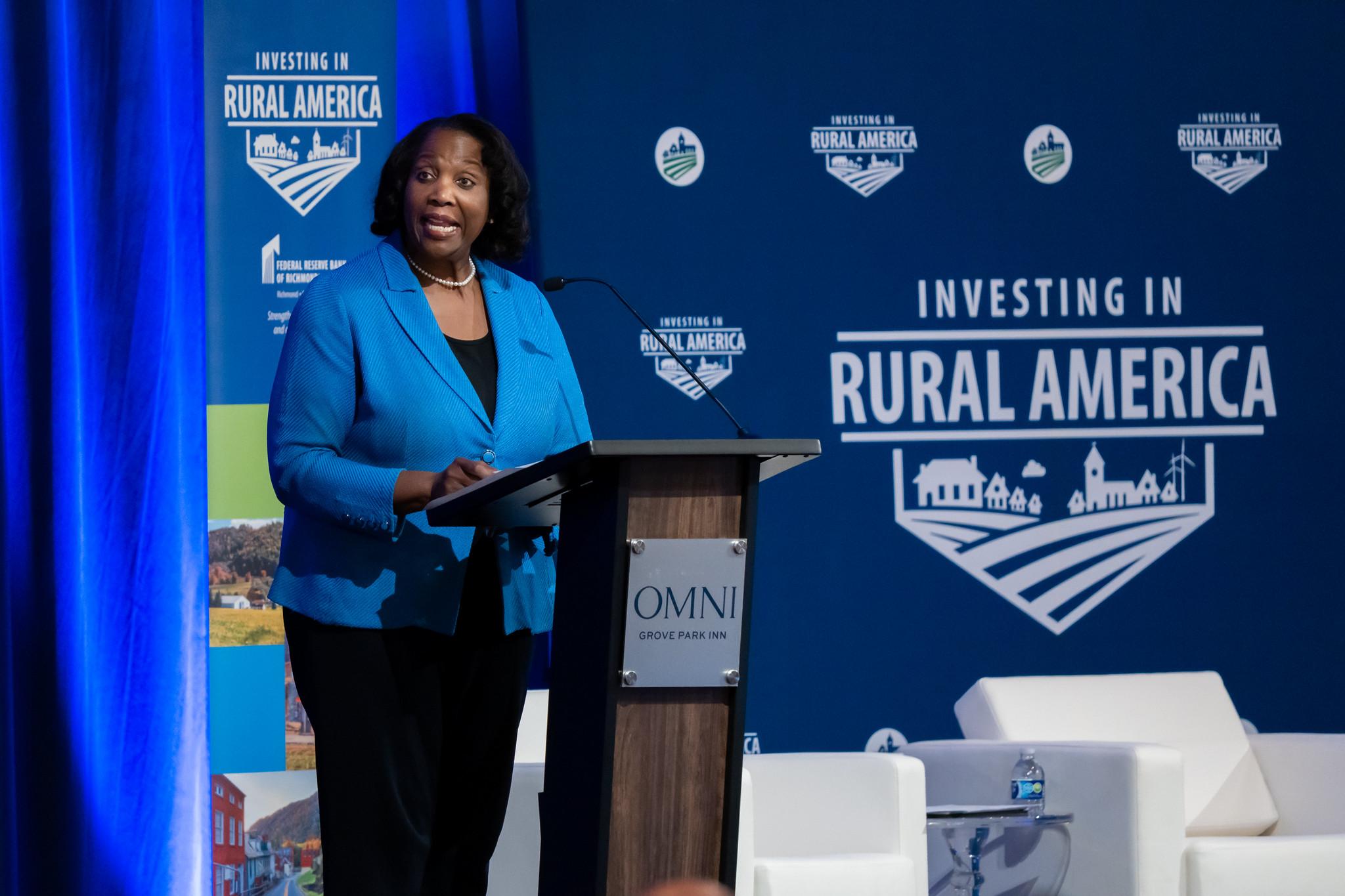
Federal Reserve Governor Lisa Cook called Friday for interest rate increases to curb inflation that has persisted above the Fed's 2 percent target for more than five and a half years.
Speaking at a conference hosted by Chile's central bank in Santiago, Cook outlined the structural risk of sustained above-target inflation: each additional day of elevated prices increases the probability that price-setters and wage-setters adjust inflation expectations upward, potentially entrenching higher inflation and making it more difficult to reverse.
Cook's thesis rests on a core mechanism—that the extended duration of above-target inflation raises the risk of de-anchored expectations. By this logic, proactive rate increases reduce the probability of a costly expectations shift that would require even more aggressive tightening later.
The counterargument is that current economic conditions may not support further tightening if underlying demand is moderating or if prior rate hikes have not yet fully transmitted through the economy. However, Cook's framing prioritizes the tail risk of unanchored expectations over near-term growth concerns, signaling her hawkish posture on monetary policy.