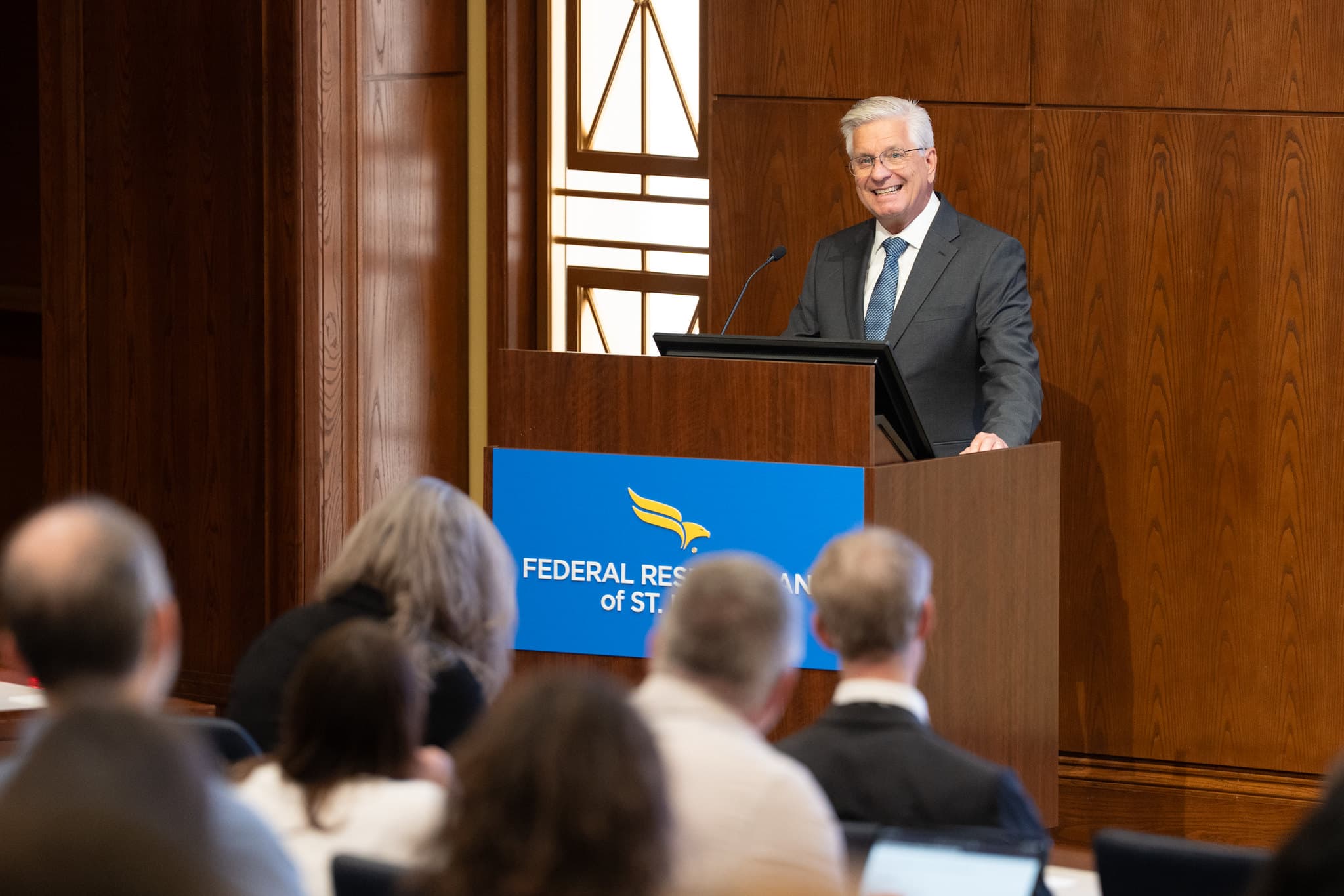
Federal Reserve Governor Christopher Waller said he supports an interest-rate hike in December, signaling continued hawkish pressure within the Federal Open Market Committee.
Waller's stance directly challenges market expectations for an extended pause. Fed funds futures traders immediately repriced December probabilities higher following his comments, shifting positioning away from the base-case hold scenario that had dominated overnight index swap markets.
A December increase would steepen the current yield curve inversion by pushing short-dated Treasury yields higher while long-end yields remain anchored by recessionary expectations. The 2-year/10-year spread, already inverted, would widen further—exactly the condition that pressures fixed-income portfolios carrying significant duration exposure.
Short-end volatility typically follows hawkish Fed commentary. A December hike would raise the effective federal funds rate into a 5.50-5.75 percent range, lifting 2-year Treasury yields while the 10-year holds support around current levels. This directional move compresses the convexity appeal of longer-dated bonds.
In credit markets, rising risk-free rates compress spreads on investment-grade corporates even as absolute yields rise. Higher-quality names face relative pressure as Treasury yields move higher, reducing the compensation premium investors demand for credit risk.
The Fed's December meeting will ultimately hinge on incoming labor and inflation data. Waller's position reflects the Committee's inflation focus, but the full FOMC will weigh economic resilience before voting on policy.


