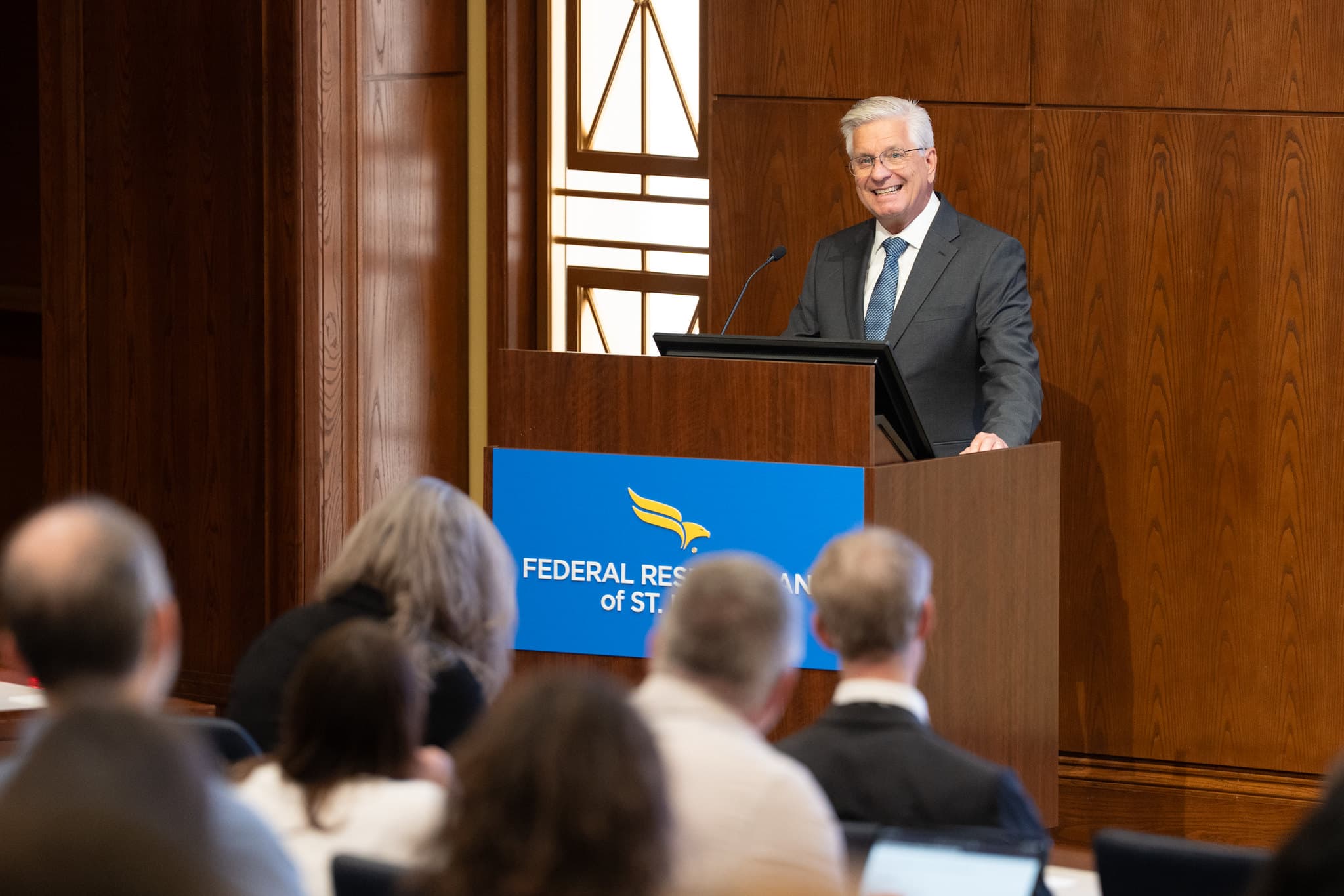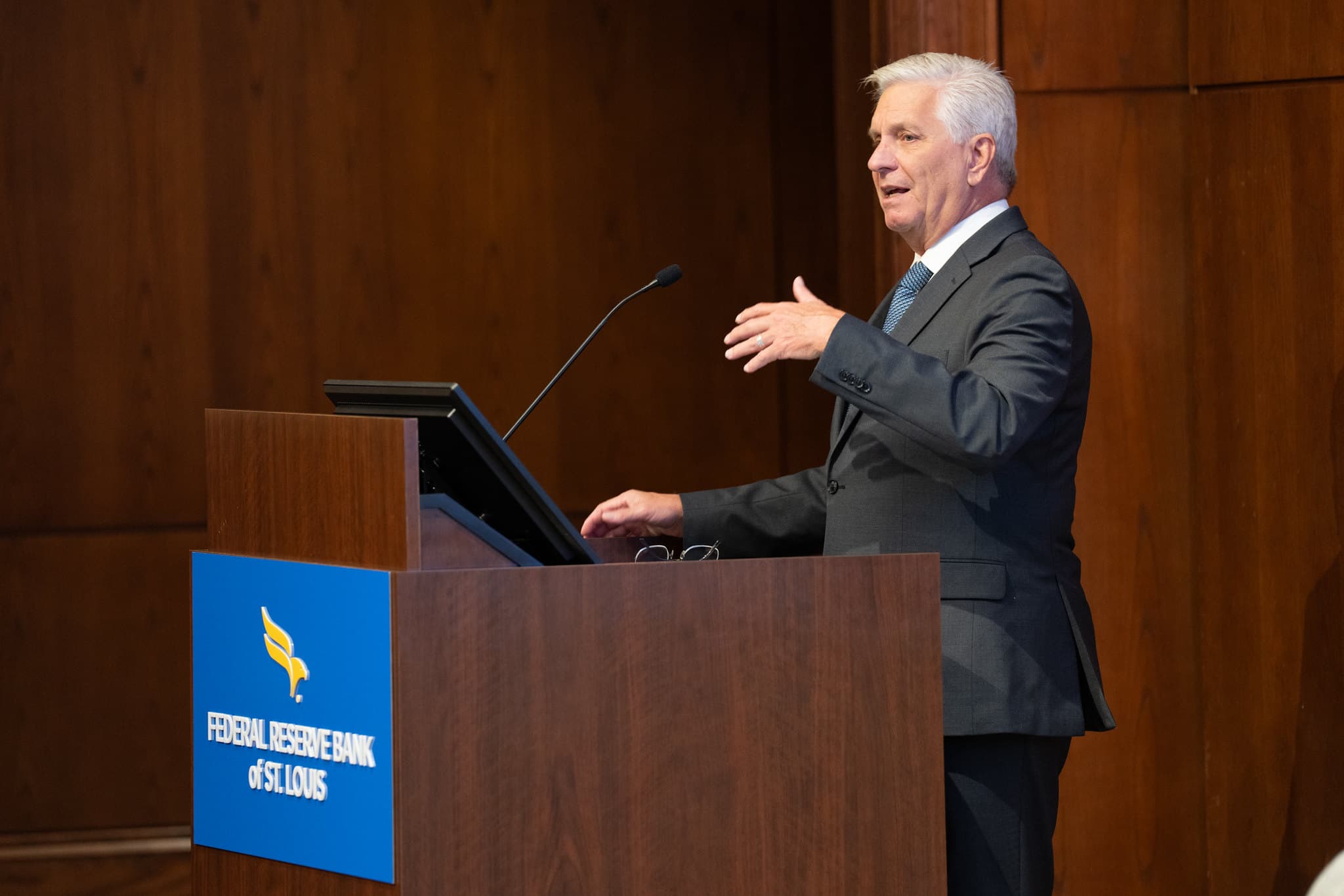
Federal Reserve Governor Christopher Waller said he has revised his estimate of the neutral rate of interest higher, indicating monetary policy is "not as tight as I thought we might have been 18 months ago."
The neutral rate, or r-star, represents the theoretical interest rate that neither stimulates nor restricts economic activity. A higher r-star estimate means the current federal funds rate, while still restrictive in nominal terms, exerts less real braking power on the economy than previously believed.
Waller's reassessment has immediate implications for the yield curve. A rise in perceived neutral rates typically pushes longer-dated Treasury yields higher as markets price in a higher baseline for future short-term rates. The 10-year yield, already sensitive to long-term equilibrium expectations, faces fresh upward pressure. Duration risk intensifies for portfolios positioned for eventual rate cuts.
The critical question for fixed-income markets is whether Waller's view gains traction among other policymakers. A consensus shift toward a higher r-star could narrow the case for future cuts or push terminal-rate expectations higher if inflation remains sticky. Swap markets and fed funds futures will price this probability in real time.