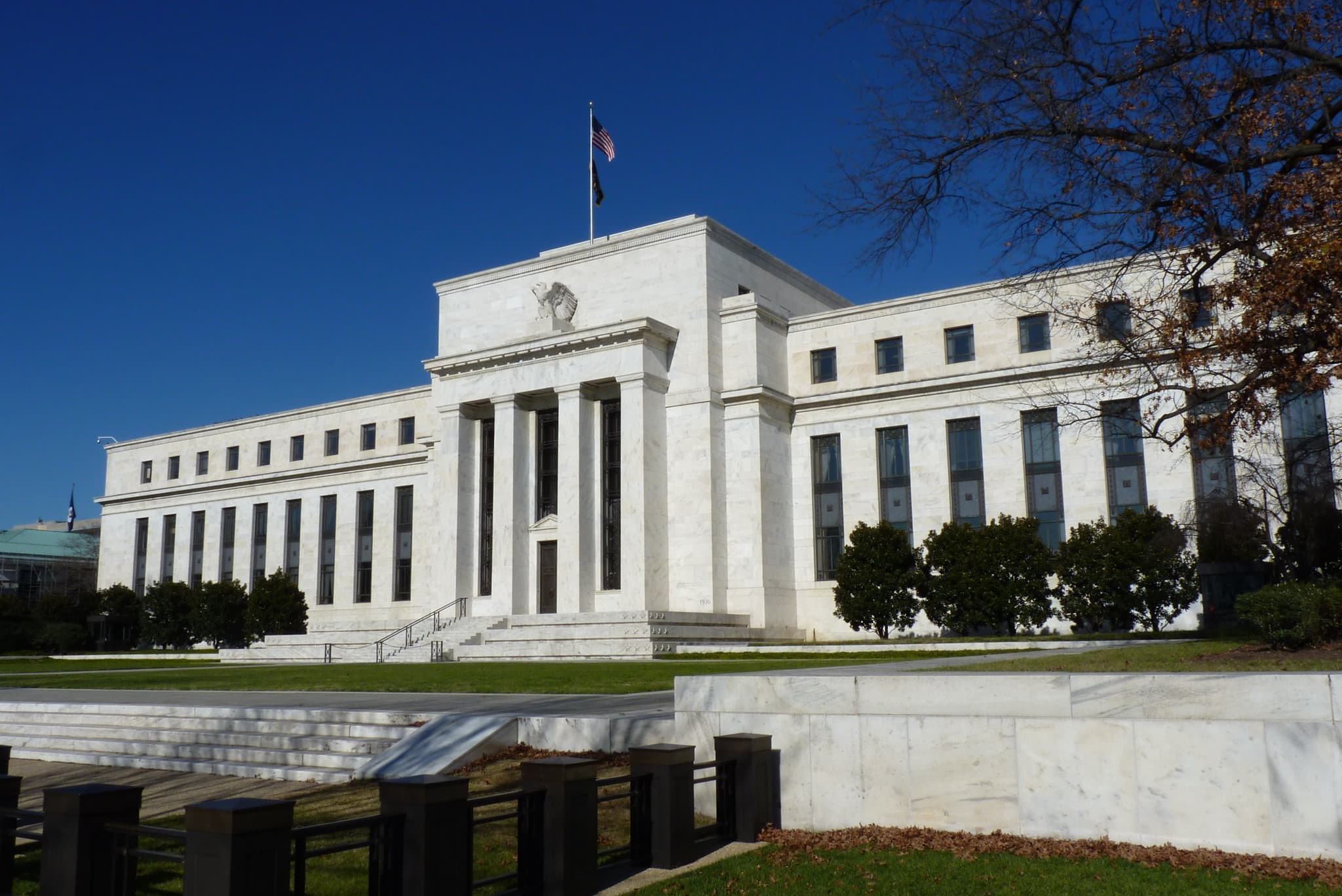
The Federal Reserve published its weekly H.8 statistical release Friday, detailing assets and liabilities across U.S. commercial banks—a barometer bond traders use to gauge credit creation and monetary policy transmission.
The report covers domestically chartered commercial banks and foreign-related institutions operating in the U.S. including branches and agencies of foreign banks. Bank credit figures, tracked by the St. Louis Fed's FRED database since February 1947, offer fixed-income investors a direct read on the banking system's lending posture.
For duration positioning, H.8 trends matter: slower credit growth typically signals weaker loan demand or tighter lending standards, both of which feed into softer economic narratives and steepen yield curves. Conversely, unexpected credit acceleration can pressure long-end yields and compress spreads.
Recent H.8 releases have highlighted reclassifications and methodological adjustments rather than material balance sheet expansion, suggesting tepid net credit demand despite elevated loan rates. This stagnation underscores how the Fed's rate cycle—still elevated on a real basis—is dampening corporate and consumer borrowing appetite.
Fixed-income participants monitor H.8 weekly to track whether banks are accumulating Treasuries, corporate bonds, or mortgages, a shift that directly influences relative value across curve segments. The data's Friday release cadence has made it a standard input for Monday-morning positioning decisions across institutional desks.