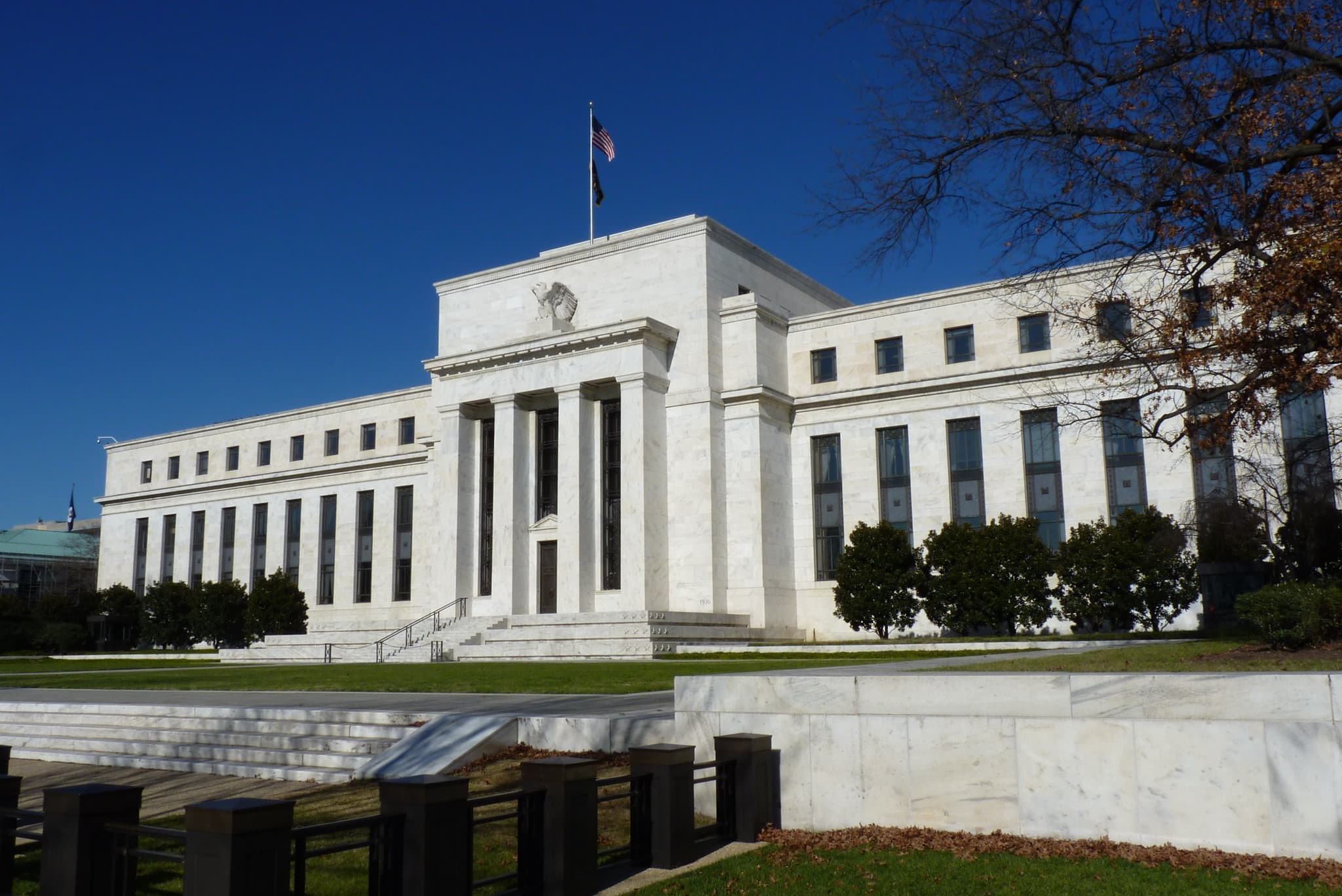
FRANKFURT — Euro area consumers expect annual inflation to average 3.2 percent over the next 12 months, according to the European Central Bank's latest Consumer Expectations Survey, up from 2.8 percent in the prior quarter.
The shift is a problem for the ECB's effort to anchor long-term price stability. Research by Matthieu Bussière, Johanna Gilbert, and Olesya Grishchenko shows households' perceptions of recent price changes drive their inflation forecasts with robust consistency across inflation components, household characteristics and macroeconomic conditions.
The relationship between perceived and expected inflation varies significantly across euro area countries, however. That heterogeneity limits the effectiveness of a uniform ECB communication strategy in shaping consumer sentiment.
Consumers perceive past spending increased to 5.4 percent over the last 12 months, up from 5.3 percent in April. They estimate spending will rise 3.8 percent over the next year, down from 4.3 percent previously, suggesting either greater caution or expectations of moderating prices.
Lower-income households — the first three income quintiles — anticipate higher spending increases than upper-income respondents, reflecting continued pressure on purchasing power.
Eurostat data shows euro area annual inflation at 2.9 percent in July 2026, up from 2.8 percent in June. Energy costs drove the increase, rising to 10.0 percent annually from 8.5 percent.
For bond investors, the risk is clear: if consumer inflation expectations become entrenched above the ECB's 2 percent target, policy rates will need to stay higher longer. That dynamic flattens yield curves and pressures duration-heavy portfolios. The central bank's credibility now depends on communication that directly addresses household price perceptions before wage-price spiral dynamics take hold.