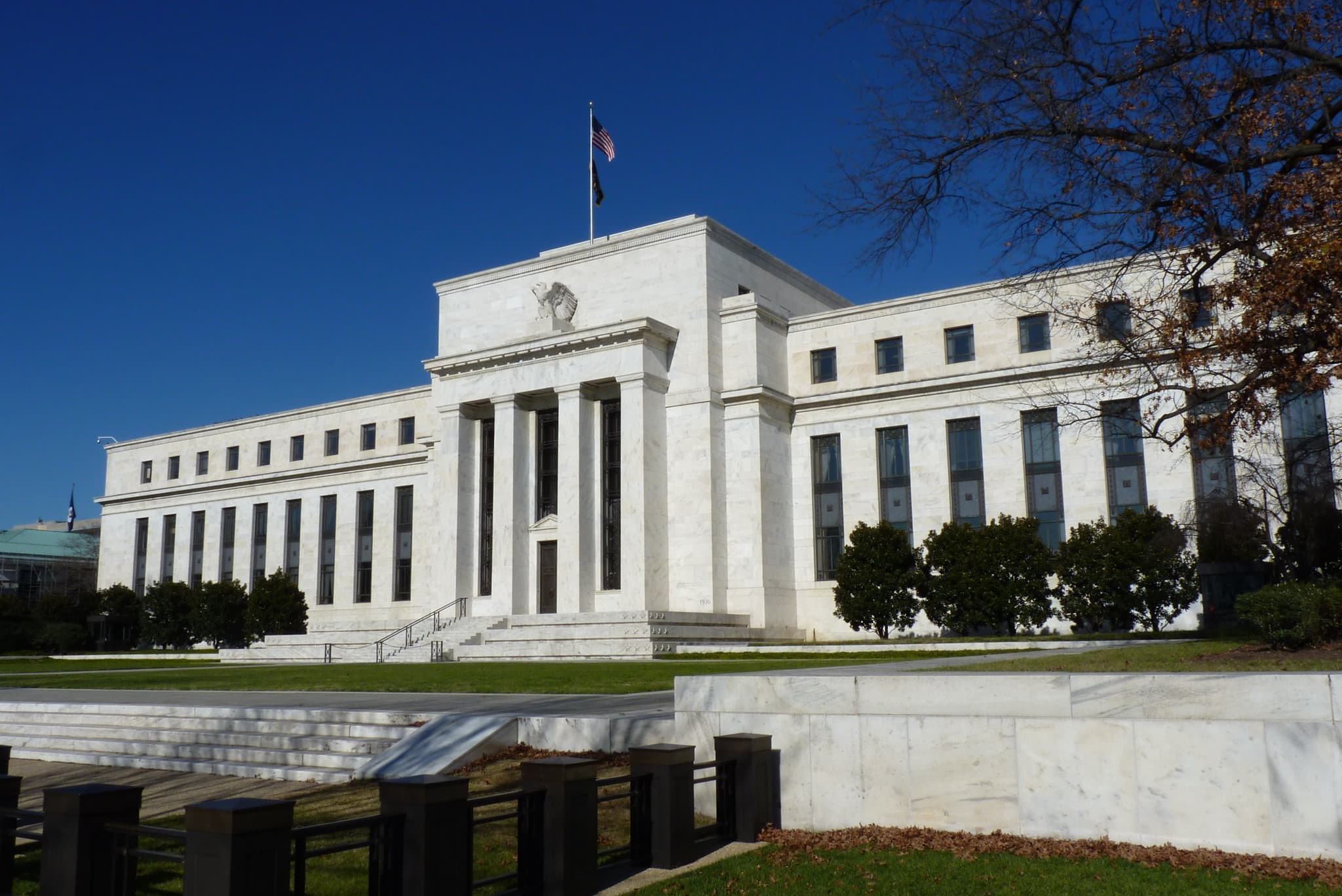
NEW YORK — The dollar index climbed 0.64 percent Wednesday to a 1.5-month high as the Federal Open Market Committee raised the federal funds target range to 3.75%-4.00% and signaled additional tightening ahead.
The 25 basis point increase repositioned two-year Treasury yields sharply higher. Markets now price a 57 percent probability of another 25 basis point hike at the Oct. 27-28 meeting, with 16 of 18 FOMC officials projecting at least one more rate increase before year-end.
The committee's median dot plot projection for year-end rates rose to 4.125 percent from the 3.75 percent forecast in June. More significantly, the FOMC raised its 2026 core inflation estimate to 3.4 percent from 3.3 percent—a signal that restrictive policy will persist longer than previously expected.
Fed Chair Kevin Warsh said the decision aimed to "remove a dose of accommodation," citing inflation that remains "too high" and has persisted "too long." He noted that "too many inflation categories are still rising more than 3 percent."
August retail sales exceeded expectations, climbing 1.2 percent month-over-month versus a 0.8 percent forecast—the strongest monthly gain in five months. Retail sales excluding autos rose 1.4 percent, beating the 0.6 percent consensus. The August import price index ex-petroleum also surprised to the upside, rising 0.8 percent against a 0.3 percent expectation.
The strength in demand data reinforced the case for sustained policy tightness, supporting the dollar's ascent. The EUR/USD pair fell 0.68 percent to a 1.5-month low as the widening U.S.-eurozone rate differential favored dollar positioning. The European Central Bank's Oct. 29 meeting carries a 52 percent probability of a 25 basis point hike, but the Fed's hawkish repricing has widened the policy gap.
One soft spot: the September NAHB housing index dropped to 32, matching a 3.75-year low and missing the 34 expectation. The divergence underscores uneven economic resilience—demand remaining sticky in goods and services while the housing sector faces duration risk from higher rates.