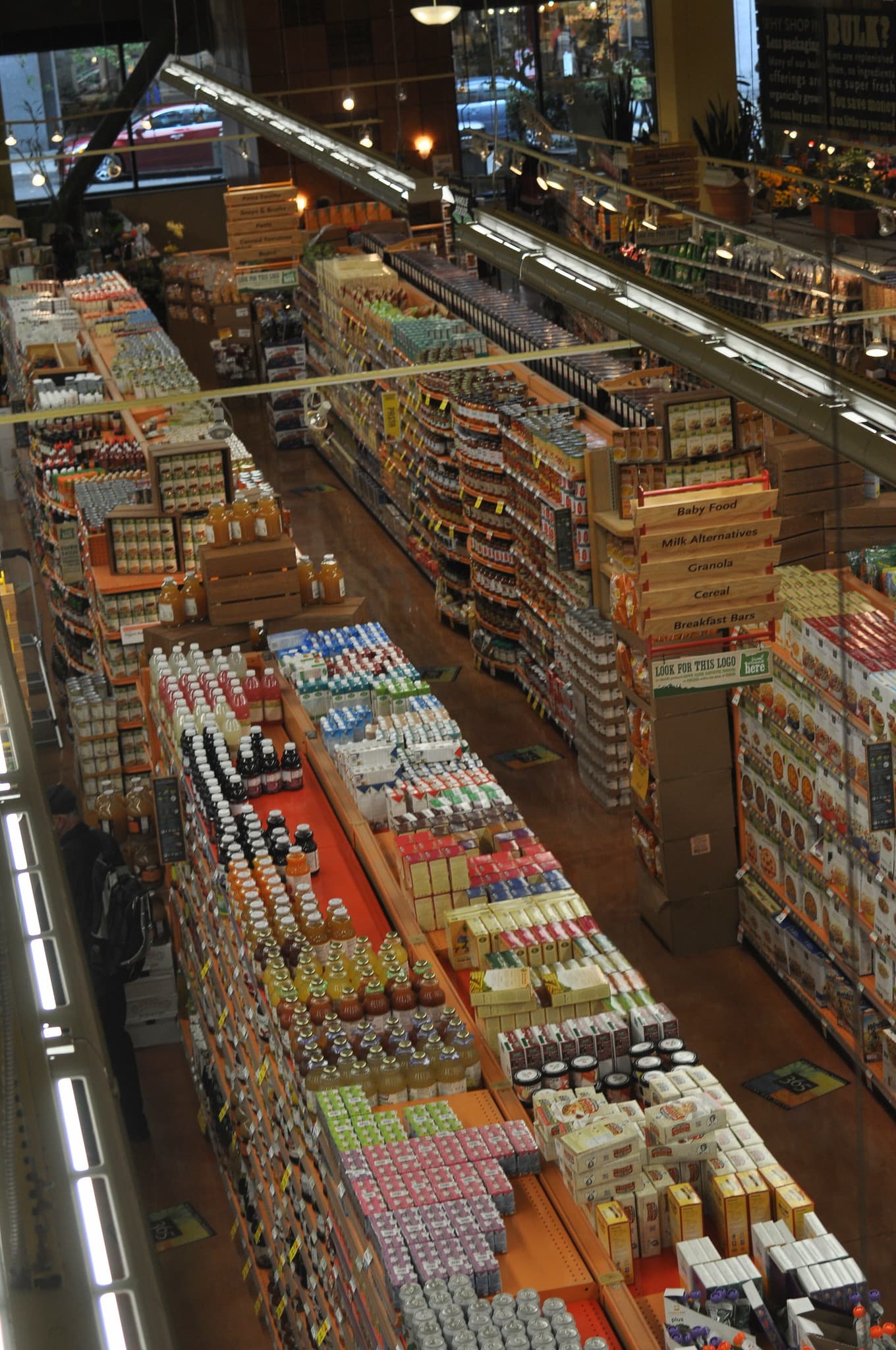
Grocery prices rose 2.4 percent year-over-year through February 2026, a persistent signal that food inflation remains embedded in the consumer basket and threatens the disinflationary thesis that has supported long-duration bonds.
Food costs have climbed 30 percent since 2020. Economists project another 3.1 percent increase this year as fuel costs, weather disruptions, labor shortages and supply chain friction continue to push prices higher. The Iran conflict adds to these pressures.
The magnitude of food inflation's bite became clear in 2022, when grocery prices surged 11.4 percent—far above the broader inflation rate. A $100 order that year cost $111 twelve months later, illustrating the outsized hit to household purchasing power.
Fuel costs remain the primary transmission mechanism. Higher transportation and logistics expenses flow through production and supply chains, ultimately landing at checkout. Coffee prices jumped roughly 30 percent over the past year alone due to droughts in Brazil and Vietnam.
Weather volatility compounds these pressures. Droughts, floods and fires destroy crops and reduce livestock herds. Ranchers in the U.S. cut cattle numbers in recent years due to insufficient rainfall and reduced feed production, directly tightening beef supplies and raising prices.
Labor shortages, disrupted supply chains and rising input costs for machinery, fuel and fertilizer add additional cost-push pressure to the system.
President Trump's tariffs have also contributed to price increases prior to the recent geopolitical tensions, layering policy-driven costs onto an already strained inflation picture.
The cumulative effect erodes real purchasing power. Wage growth has not matched the 30 percent surge in grocery prices since 2020, meaning households buy less food and fewer other goods with each dollar earned. This real-wage squeeze is a direct constraint on consumer demand and economic growth—metrics bond investors track closely when pricing duration risk and setting expectations for the yield curve's path.