Indiana Fever guard Sophie Cunningham set off the most charged debate in WNBA history without a single transgender player on any roster. Cunningham, 29, told ESPN last month that she wanted to protect young girls in locker rooms and in competition from having to go up against biological men — comments that quickly moved well beyond basketball.
Cunningham said she had heard from critics who believed she hated transgender people, a charge she denied. She said she wanted to extend love to everyone but added that love required honesty. She later called it common sense to bar transgender athletes from women's sports, which sharpened the backlash and the support in equal measure.
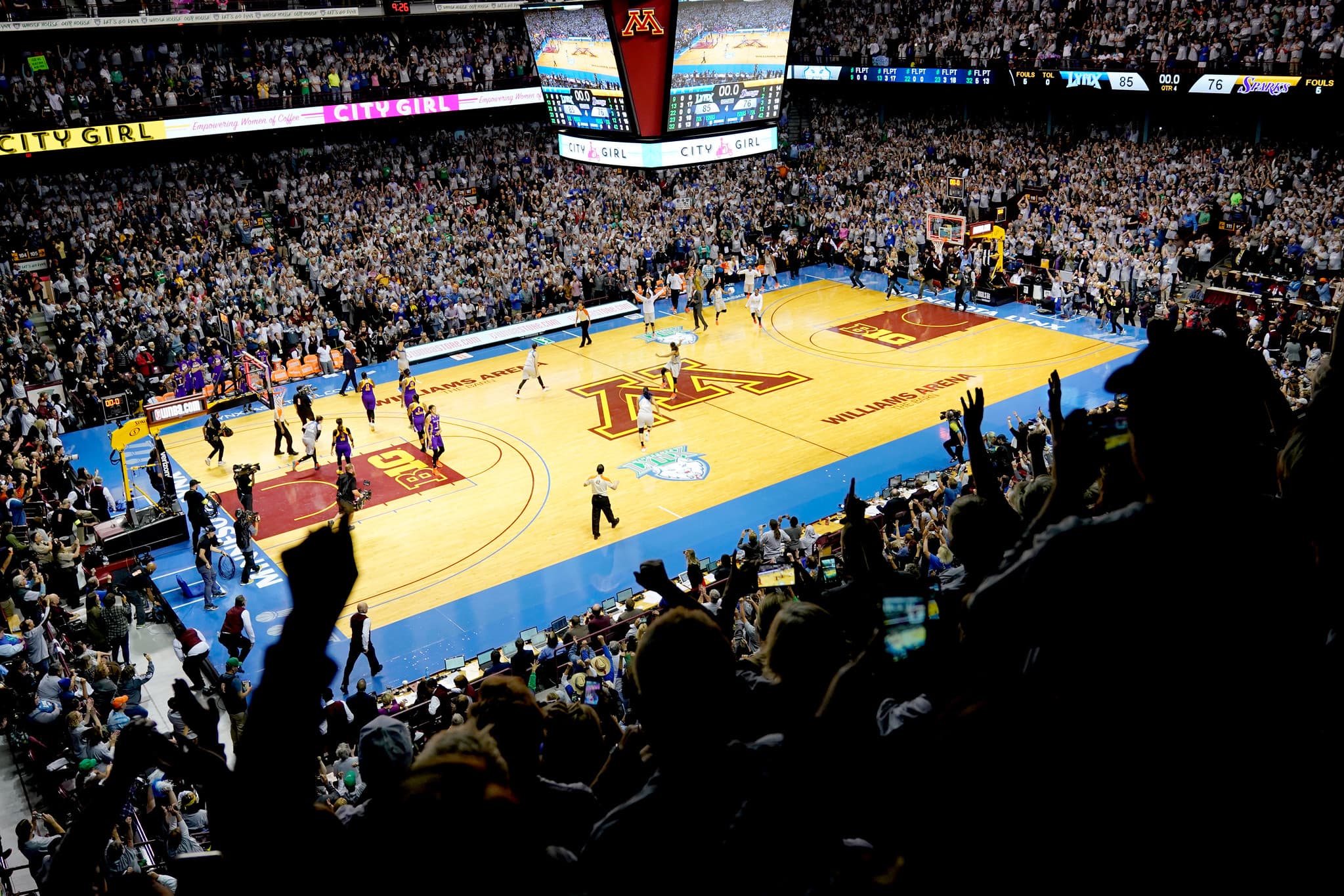
President Donald Trump expressed support for Cunningham. Vice President JD Vance called her inspiring. Though Cunningham described herself as not a very political person, rallies were organized at Indiana Fever games and small-scale protests appeared on both sides of the argument.
The scale of the reaction is striking given the actual situation on the court: no openly transgender woman has ever played in the WNBA, and none is set to play in the current 2026 season. The debate has extended to the 2027 Draft, with former NBA players publicly declaring themselves prospects to highlight what they describe as a gap in league eligibility rules.
Enes Kanter Freedom, who played 11 seasons in the NBA, announced he is officially declaring himself a WNBA prospect. His declaration is a direct challenge to the league's current language, which he and others argue does not explicitly define how a player establishes eligibility as a woman.
The WNBA's eligibility rules sit inside the collective bargaining agreement negotiated between the league and the WNBA Players Association. Article XIII of that CBA states that only players who are women are eligible to play in the league. The language does not define what criteria establish that status, which is where the legal and policy debate centers.
League commissioner Cathy Engelbert addressed team presidents in an internal memo last week. Engelbert wrote that the matter would be discussed at an upcoming pre-arranged meeting with team presidents and that the league would approach the topic thoughtfully, respectfully and in alignment with the longstanding values of our league. The memo, seen by the Associated Press, also addressed player eligibility directly, though the source material cuts off before the full text of that section.
WNBA officials have since said there are currently no immediate eligibility issues affecting the league. The 2027 Draft is not until next April, meaning any eligibility determination tied to a formal prospect would not force a resolution for months.
The legal dimensions are real. The CBA language leaves room for interpretation, and legal analysts have said the WNBA and the WNBPA could, through collective bargaining, establish specific requirements — such as a minimum duration of transition — for any transgender applicant. Whether the current CBA language would survive a legal challenge depends on how courts read anti-discrimination protections against the league's right to set competitive eligibility standards, a question the Supreme Court's recent rulings have made more complex.
Cunningham's original ESPN interview was the trigger, but the reaction revealed a fault line that was already there. Competing rallies at Fever games showed that both camps were organized and ready to mobilize. Trump and Vance weighed in publicly with no prompting from any actual roster dispute, showing how quickly a comment from a single player can become a national political event.
The WNBA has not held a press conference or issued a public statement directed at fans since Cunningham's comments. Engelbert's memo was internal. That silence, combined with a CBA that leaves eligibility criteria undefined, is driving the draft declarations and the legal speculation. The league will have to put specific language on the table before that April 2027 Draft or face the same debate on a harder deadline.
For Cunningham and the Fever, the season is still in progress. Whether the league addresses the CBA language before the draft or waits for a formal prospect to force the issue, the current framework gives neither side a definitive answer — and that gap is exactly what the former NBA players declaring eligibility are counting on.