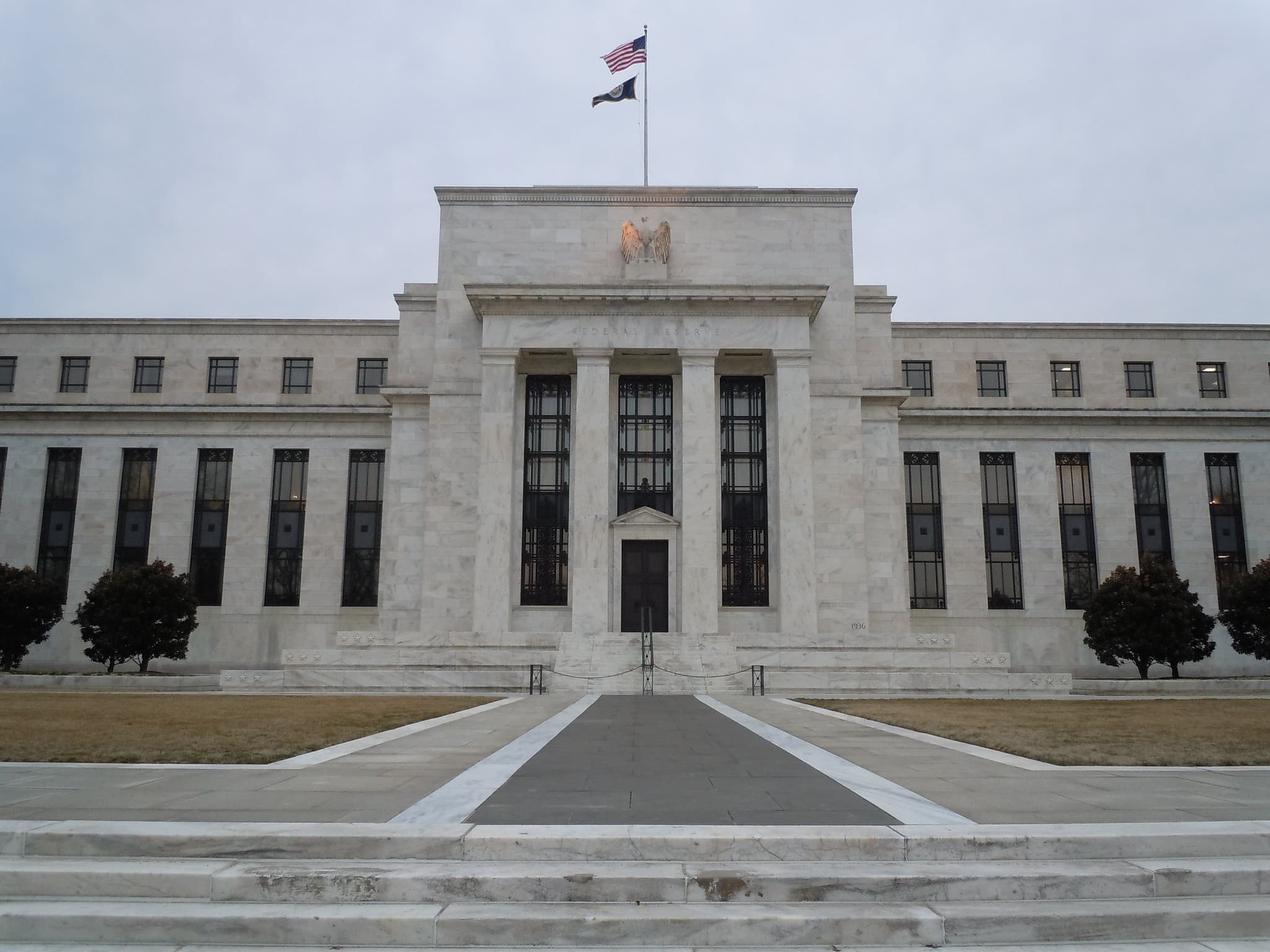
Minneapolis Federal Reserve President Neel Kashkari stated that a potential war with Iran significantly complicates the Federal Reserve's ability to offer clear guidance on future interest rate policy. He indicated that such a conflict introduces considerable uncertainty into the economic outlook, making it difficult for the central bank to project its path forward.
This development is critical for investors and traders as it directly impacts their expectations for monetary policy. Uncertainty from a major geopolitical event like an Iran conflict, coupled with the Fed's reduced ability to signal its intentions, can lead to increased market volatility and make strategic investment decisions more challenging.
Prior to Kashkari's remarks, markets were already grappling with a complex economic landscape, including persistent inflation concerns and ongoing debates about the timing and extent of potential Fed rate cuts. Geopolitical tensions, while present, had not yet been highlighted by a senior Fed official as a direct impediment to forward guidance.
Investors will now be closely monitoring any further statements from Fed officials regarding the impact of geopolitical events on their policy outlook. Additionally, developments in the Middle East and their potential economic repercussions will be a key focus.
The Federal Reserve's capacity to provide predictable policy signals has been directly challenged by escalating geopolitical risks.