The intrinsic value of any asset derives from the present value of its future cash flows. For fixed-income investors, this is mechanical: a bond's price equals its discounted coupon payments and principal repayment. Move rates higher, and duration risk strikes hard.
Equity valuations rest on the same principle, though analysts often obscure it with jargon. Strip away the projections and models, and equities are simply future earnings discounted back to today at the cost of equity.
The discount rate is the fulcrum. Higher prevailing interest rates or elevated risk premiums compress present values across all asset classes. Lower rates inflate them—even if the underlying cash flow forecasts stay flat.
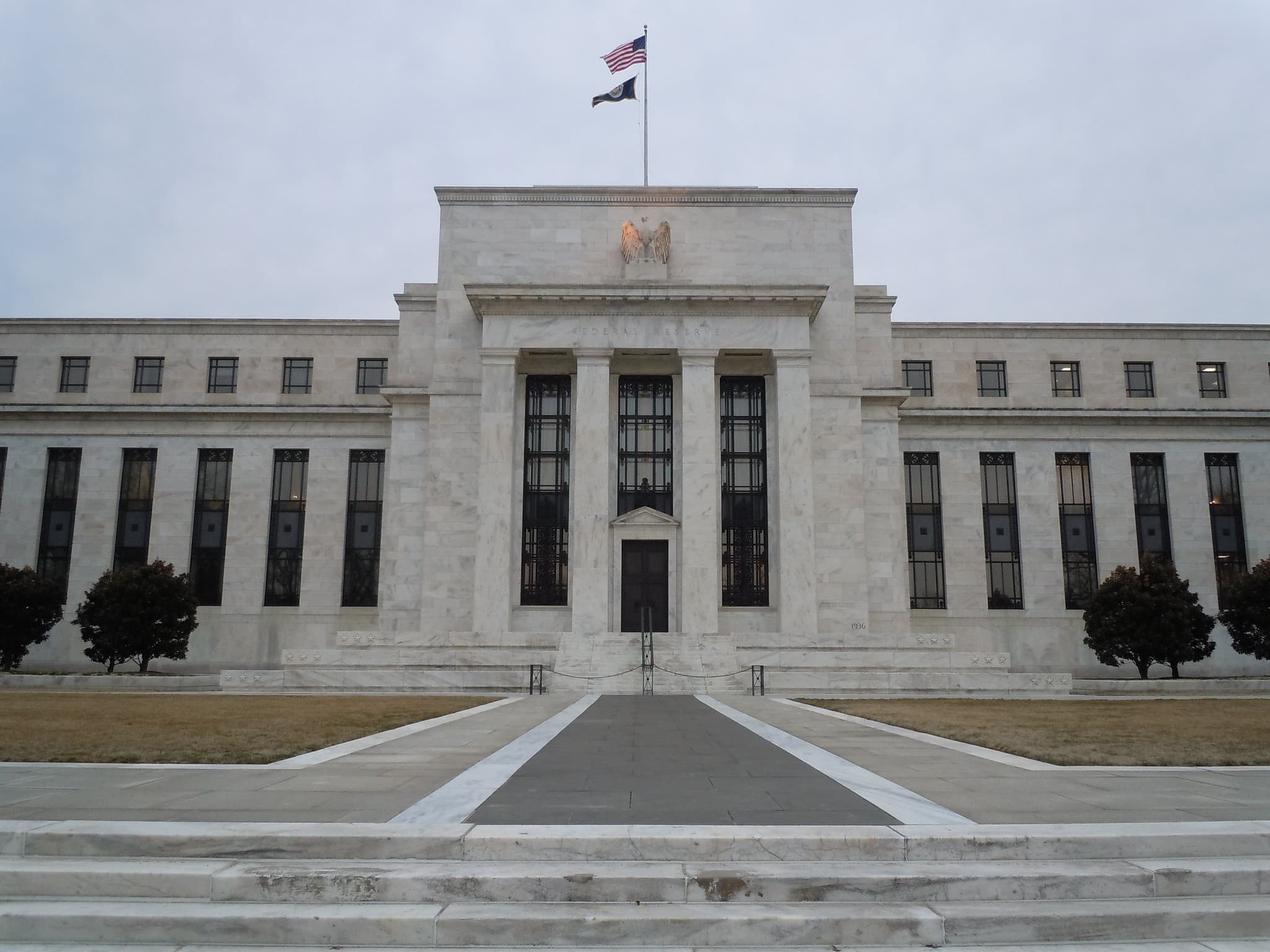
The Fed's quantitative tightening under Jerome Powell deliberately raised the cost of capital, marking a sharp break from the post-2008 regime of suppressed rates and inflated asset values. That cycle rewarded duration-long positioning and depressed volatility. The current cycle punishes it.
When the yield curve inverted in late 2023 and early 2024, it signaled the market's bet on future rate cuts. That inversion compressed spreads and forced portfolio managers to recalibrate duration exposure—a decision that looks dramatically different depending on whether cuts arrive or don't.
Institutional investors who grasp this one question—what discount rate should I apply to future cash flows—can facing disparate markets with a single consistent framework. The rest are left reacting to headlines.


