The Japanese yen declined 0.5 percent to 159.59 per dollar on Wednesday, tracking a broader U.S. currency rally across major pairs.
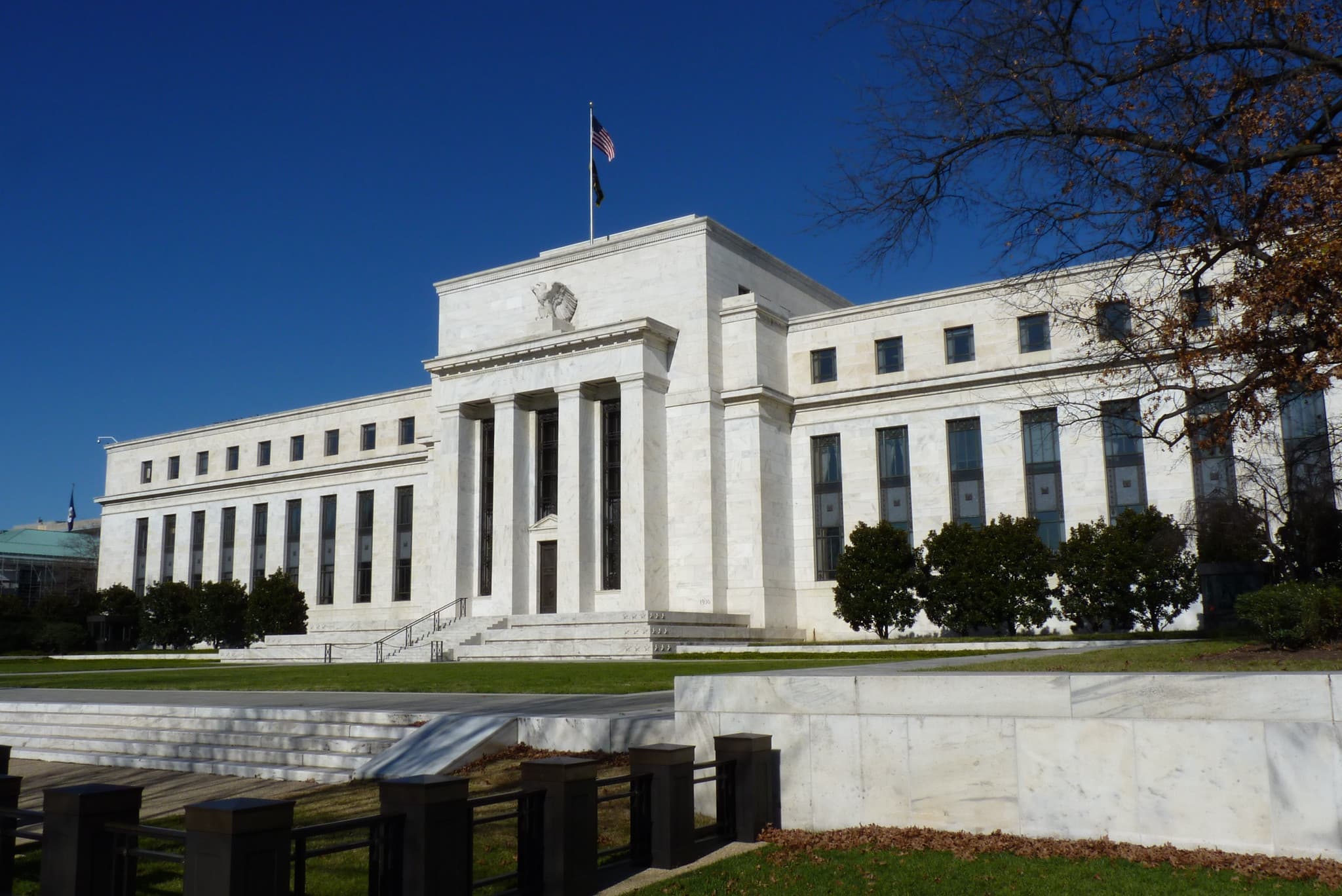
The move reflects persistent divergence in monetary policy. The Federal Reserve maintains rates around 5.25 to 5.50 percent while the Bank of Japan holds rates near zero, creating a yield differential that makes dollar-denominated fixed-income instruments more attractive to global investors.
Bond market participants watch this spread closely. Widening differentials between U.S. Treasury yields and Japanese government bond yields increase the carry trade appeal—borrowing cheap yen to buy higher-yielding dollar assets. Capital flows into these trades drive demand for the dollar and sell pressure on the yen.
For portfolios with international bond exposures, the yen's depreciation creates a currency headwind. Japanese investors holding U.S. Treasuries face reduced returns when converting back to a weakening yen unless hedges are in place, making currency overlay a critical risk management tool.
The U.S. dollar index, which measures the dollar against a basket of six major currencies, climbed, signaling demand for dollars extends beyond the yen pair. The move remains within market expectations given the sustained rate gap. The Bank of Japan has a history of intervening when yen depreciation accelerates sharply, but no intervention signals have emerged from Tokyo.