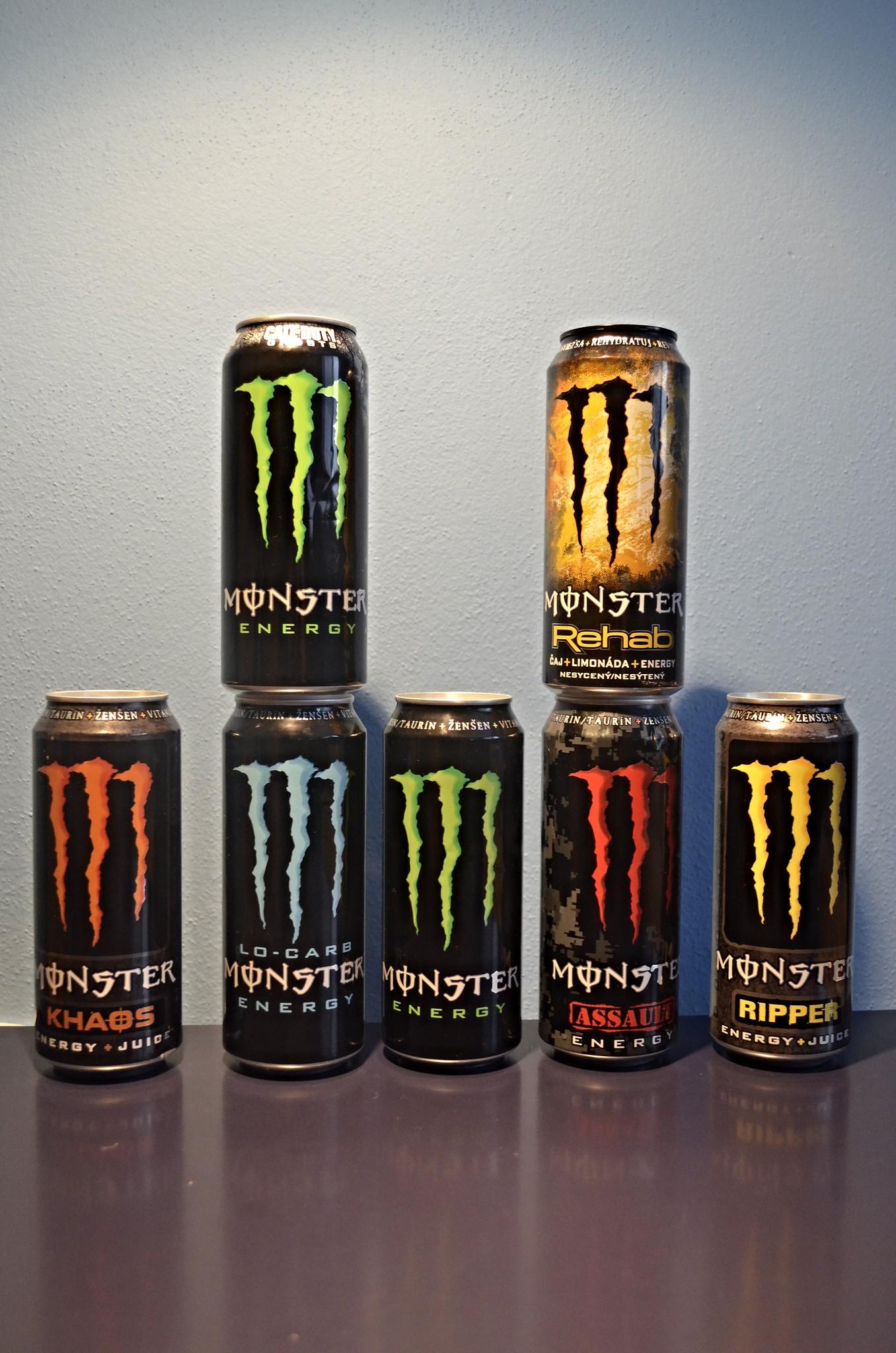
Monster Beverage Corp. shares fell 8.2 percent on Friday, the company's steepest single-day decline in over two years, after reporting profit margins compressed more sharply than investors anticipated. The sell-off wiped out a portion of Monster's market valuation and signals a structural deterioration in the cost environment across the beverage sector.
The margin squeeze stems from multiple input pressures: raw material costs for sugar and specialty flavorings, packaging expenses, transportation and logistics charges, and labor costs. The pace of these increases appears to be outstripping Monster's ability to pass them to consumers through price increases.
Monster has historically wielded strong pricing power. The fact that even with that leverage the company posted weaker margins indicates either that price elasticity is tightening among its customer base or that the cost spiral has accelerated beyond the company's mitigation capacity. Near-term investor appetite for margin stability appears to be overriding confidence in long-term energy drink demand growth, particularly among younger demographics who form the core customer base.
The margin pressure is not isolated to Monster. Competitors across the beverage sector report similar cost headwinds, suggesting a systemic shift in the input cost landscape rather than a company-specific operational failure. The question investors are pricing in is whether aggressive pricing strategies—the alternative to margin compression—will begin to suppress sales volumes.
Monster's next earnings release and guidance will clarify the specific magnitude of each cost component and management's confidence in its mitigation roadmap. Gross margin trajectory will be the key metric to monitor for signs of stabilization.