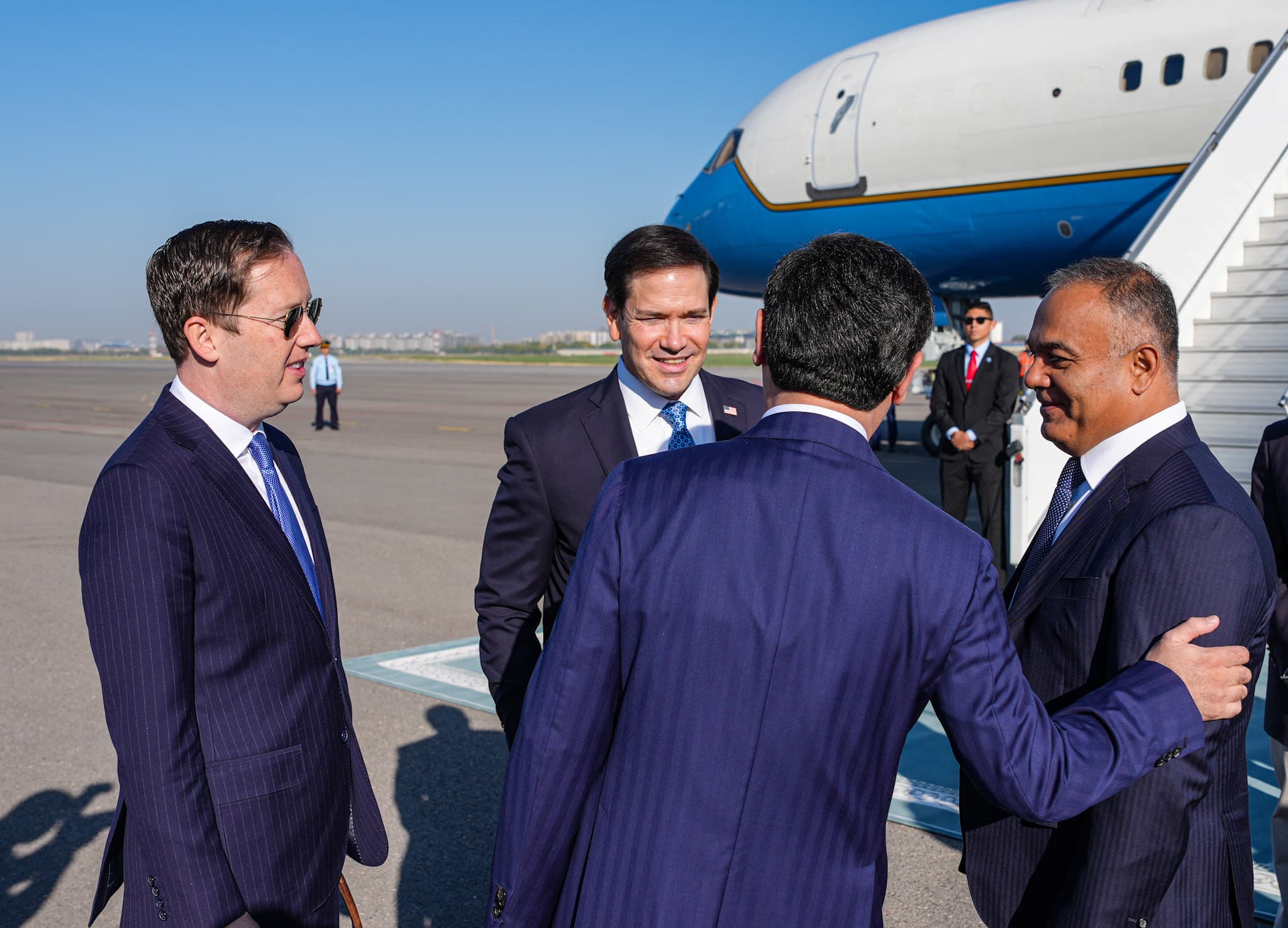
WASHINGTON — Senator Marco Rubio (R-Fla.) said Tuesday that oil shipments through the Strait of Hormuz have returned to near pre-conflict levels, directly challenging the Biden administration's sanctions enforcement in the Middle East.
Rubio made the assertion during a Senate Foreign Relations Committee hearing. He said the critical chokepoint is now handling volumes approaching the approximately 20 million barrels of crude and refined products per day seen before recent regional hostilities — about one-fifth of global petroleum consumption.
The statement puts pressure on the administration's ability to restrict revenue flows to Iran and allied proxy groups. If oil traffic is indeed near pre-war levels, critics argue, U.S. sanctions are failing to achieve their intended impact.
"This situation raises questions about the balance of power in the region and who ultimately benefits from the unfettered movement of energy resources," Rubio said, according to his prepared remarks.
The State Department has said U.S. sanctions enforcement remains robust, citing interdictions of illicit shipments and financial penalties on networks supporting sanctioned entities. But Rubio's assessment suggests those measures are not deterring the broader oil trade through the strait.
The discrepancy highlights a growing rift between Congress and the administration over the success of U.S. foreign policy objectives in the Persian Gulf. The Senate Foreign Relations Committee plans further hearings next month on maritime security and sanctions enforcement, with testimony expected from senior officials at the Treasury and State Departments.
Lawmakers plan to press for updated data on oil transit volumes and detailed plans for strengthening interdiction efforts. The Pentagon has not yet released its latest comprehensive report on shipping activity in the Persian Gulf.


