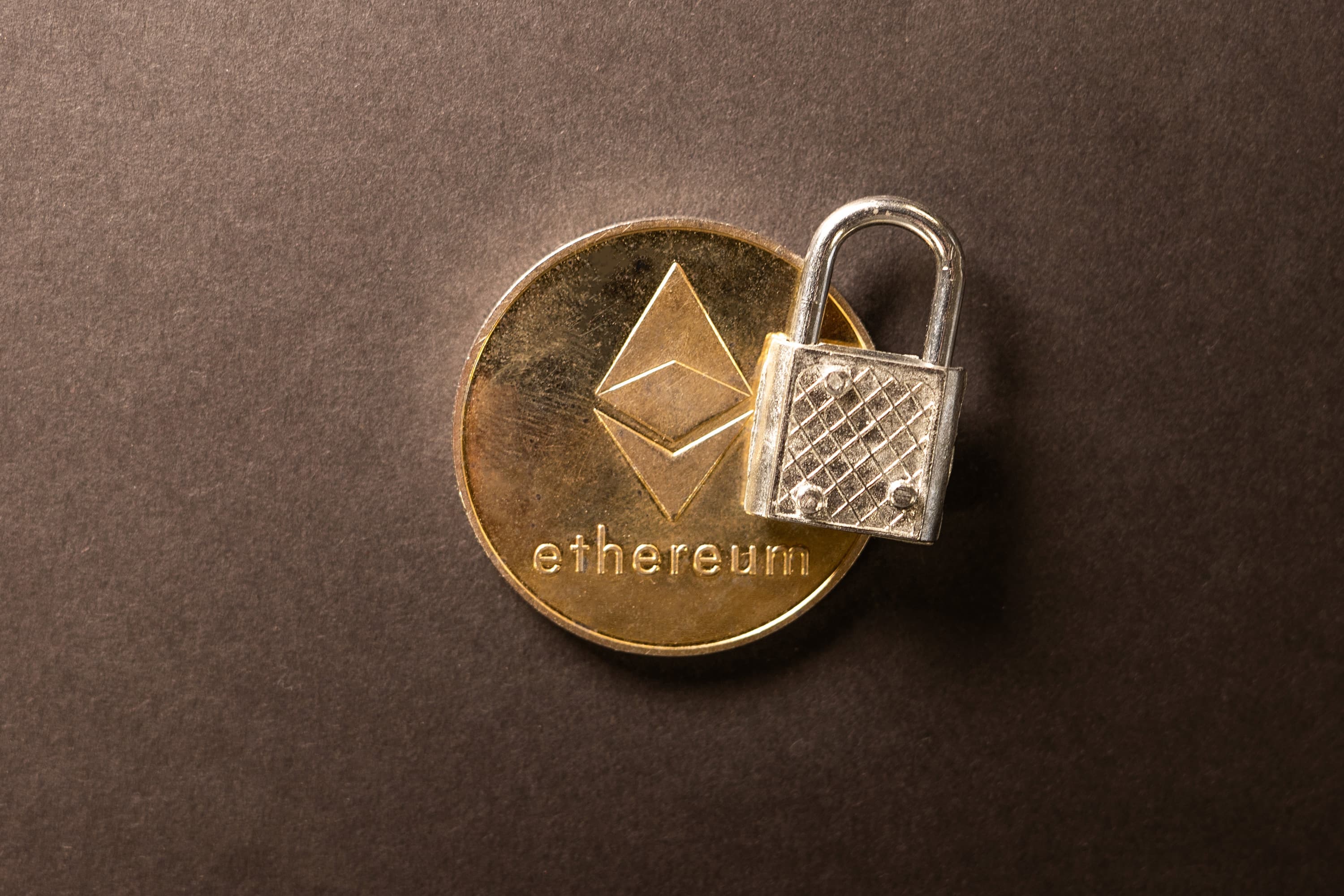
Starknet is one of the leading contenders in the race to scale Ethereum, addressing a fundamental problem: limited transaction throughput and high fees. Ethereum prioritizes decentralization and security, but this comes at the cost of scalability. As demand for block space grows, transaction costs skyrocket and confirmation times lengthen, making the network impractical for many applications and everyday users.
Starknet operates as a Layer 2 network, specifically a ZK-rollup. The mechanism works like this: it processes thousands of transactions off the Ethereum mainchain and bundles them into a single cryptographic proof called a STARK (Scalable Transparent ARgument of Knowledge). This proof is submitted to Ethereum for verification. Instead of re-executing every transaction, Ethereum only verifies the proof, dramatically reducing computational load. The "zero-knowledge" aspect means the proof confirms transaction validity without revealing underlying data, enhancing privacy. Starknet uses Cairo, a custom programming language designed for writing STARK-provable programs, enabling efficient and complex computations that can then be verified on Ethereum.
The native token, STRK, pays for transaction fees (gas) on Starknet and governs the network—token holders propose and vote on protocol upgrades and fee structures. The Starknet community is moving toward L1 settlement for STRK itself, anchoring its state and security directly to Ethereum. This aims to enhance cryptoeconomic security and enable more robust staking mechanisms for sequencers and provers, further decentralizing the network.
Starknet has demonstrated significant traction. It hosts a growing number of decentralized applications, including DeFi protocols, gaming projects, and NFT marketplaces. Its developer community is active, attracted by Cairo's unique capabilities for complex computations, despite the learning curve. Starknet has secured a position as one of the leading ZK-rollup solutions, processing substantial transaction volume and attracting capital.
But Starknet faces genuine risks. Zero-knowledge technology, while powerful, is still evolving. Undiscovered vulnerabilities in its cryptography or smart contracts pose security concerns. ZK-rollups in their initial phases involve centralization, with a limited number of sequencers and provers handling transaction ordering and proof generation. While Starknet has a roadmap for decentralization, achieving a truly permissionless network is a complex engineering and economic challenge. Competition is fierce—other ZK-rollups like zkSync, Scroll, and Polygon zkEVM, plus optimistic rollups like Arbitrum and Optimism, vie for developer and user adoption. Cairo's uniqueness, while powerful, also raises the barrier to entry for developers trained on the Ethereum Virtual Machine, potentially slowing ecosystem growth compared to EVM-compatible L2s. The proposed L1 settlement for STRK, while beneficial for long-term security, introduces technical complexities and potential failure points during implementation.
Starknet represents a technically sophisticated approach to scaling Ethereum. Its STARK proofs and Cairo language position it at the cutting edge of ZK-rollup technology, offering unique capabilities for complex on-chain logic. The shift to L1 settlement signals a commitment to cryptoeconomic security and decentralization, critical for long-term viability. Success hinges on executing its roadmap, mitigating technological risks, and attracting a broad base of users and developers in a competitive environment.


