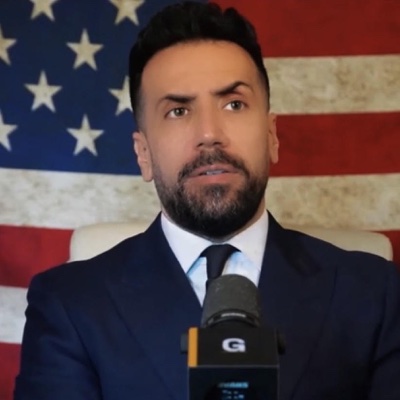
Peter Schiff, chief economist at Euro Pacific Asset Management, raised questions on X (formerly Twitter) today, October 9, regarding a recent announcement by the Trump administration. Schiff highlighted a deal to supply Russian diesel to U.S. and global markets, contrasting it with a law signed just three weeks prior that imposed tariffs of up to 100% on major buyers of Russian oil and gas. He stated, “Today Trump announced a deal to supply Russian diesel to U.S. and global markets. Just three weeks ago, he signed a law targeting major buyers of Russian oil and gas with tariffs of up to 100%. The goal was to cut off funding for Putin’s war against Ukraine. So what changed?”
The observation comes as energy policy and international trade remain focal points. The previous tariff measures were reportedly aimed at limiting Russia's funding capabilities amidst the ongoing conflict in Ukraine. The shift in approach, as highlighted by Schiff, could have implications for global energy markets and the effectiveness of sanctions policy. Recent Gokhshtein Media coverage has tracked various policy developments, including Treasury sanctions on Iran's oil shipping network.
Schiff's statement implies a potential policy reversal or a strategic re-evaluation by the administration regarding its stance on Russian energy and its geopolitical objectives. Business readers might watch for further details on the diesel supply deal, its terms, and how it reconciles with the recently enacted tariffs. The market could react to any perceived changes in the supply-demand dynamics for diesel or the broader implications for international trade relations.