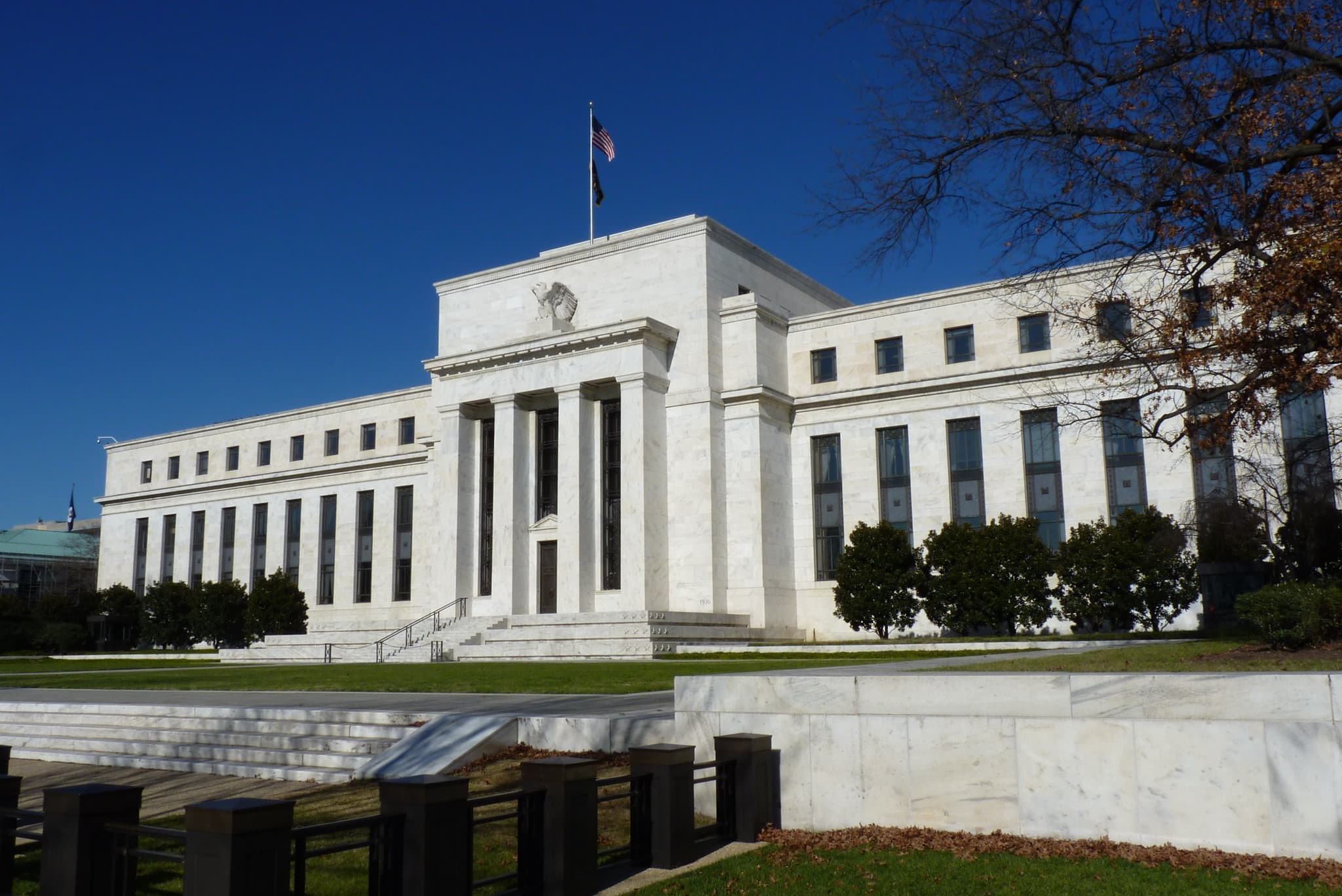
Nick Timiraos, chief economics correspondent at The Wall Street Journal, reported new findings from the New York Federal Reserve on Tuesday, October 6, 2026. Posting on X, Timiraos highlighted that the research showed: "By February 2026, tariffs had contributed 2.9 pp to goods price inflation, and without them goods prices would have fallen slightly." The report also detailed that "About one quarter of every point in higher tariff rates shows up in consumer prices within one year," and "A 10% across-the-board tariff yields a 2.6% rise in consumer goods prices after one year."
The New York Fed's analysis arrives as inflation remains a key concern for markets and policymakers. Recent Gokhshtein Media coverage noted a Man Group study indicating that inflation acceleration, rather than its absolute level, is a primary driver of bond losses. Gold, often seen as an inflation hedge, currently trades around $4,150, while the Crypto Fear & Greed Index sits at 73, indicating 'Greed' in the digital asset markets.
According to Timiraos's report, approximately two-thirds of the tariff-induced price increase stems from pricier imports, which are quickly passed through to consumers. The remaining third originates from U.S.-made goods, as producers face elevated input costs and reduced import competition, with these effects typically filtering through over six to twelve months. This suggests that the inflationary impact of tariffs is both immediate and sustained, influencing both imported and domestic goods prices.