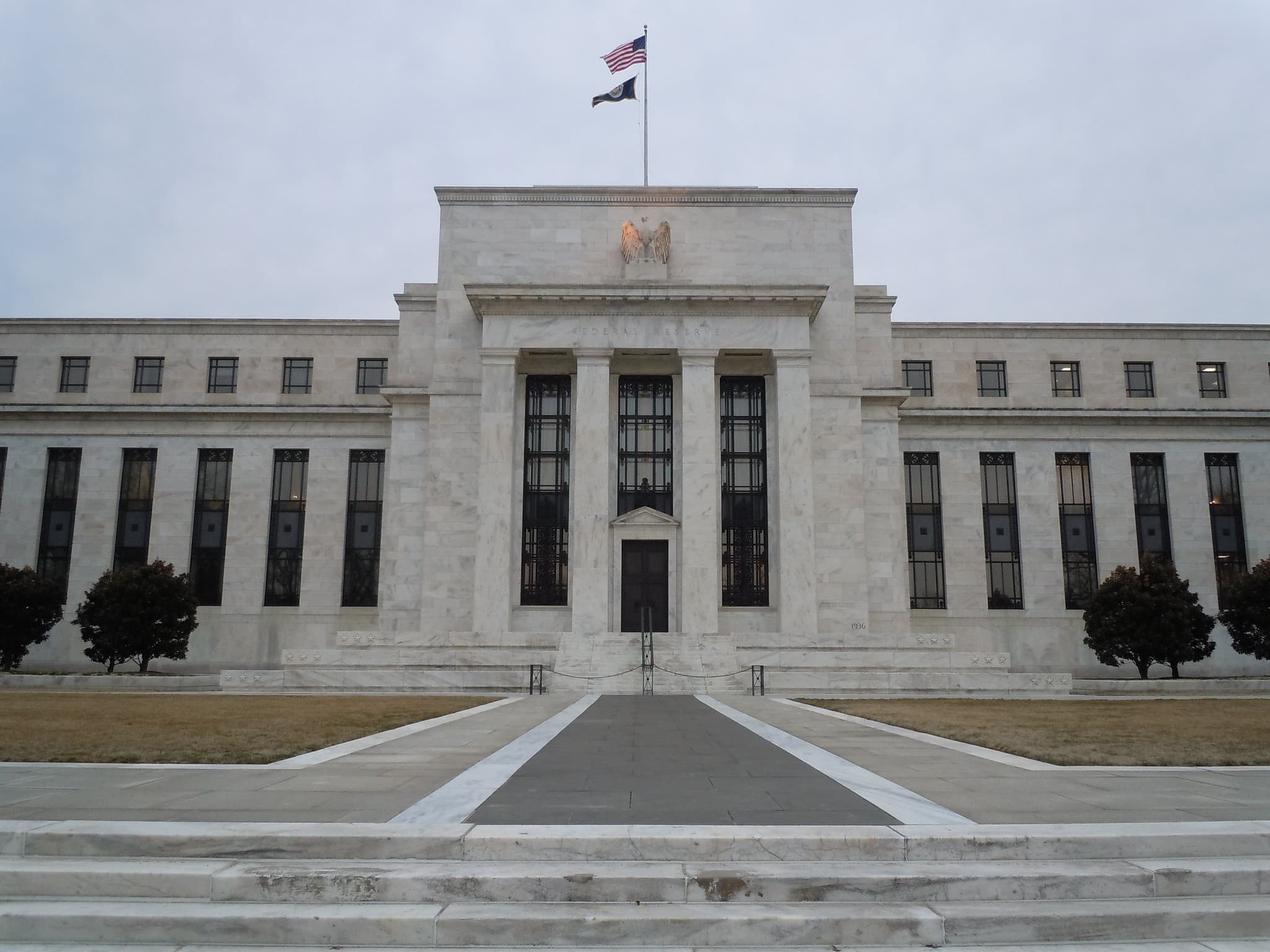
The U.S. dollar strengthened and Treasury yields climbed across the curve as escalating U.S.-Iran tensions lifted oil prices and reinforced expectations for an extended period of restrictive Federal Reserve policy.
Brent crude futures surged on the geopolitical friction. The energy rally imported inflation expectations directly into the bond market: longer-dated Treasury yields moved higher, compressing the inflation premium traders had priced in for near-term cuts. Fed funds futures now show near-zero probability of a rate cut by year-end, a sharp repricing from just days earlier.
The 2-10 year curve inversion widened, a signal the market is pricing continued restrictive conditions ahead. Traders are extending their terminal rate assumptions as hawkish Fed messaging compounds the inflation signal from oil. Federal Reserve Governor Michelle Bowman said last week that she sees a continued need for restrictive policy to bring inflation sustainably to 2 percent.
The dollar gained against a basket of major currencies, benefiting from its safe-haven bid during geopolitical stress. A stronger dollar cuts both ways for the Fed's dual mandate: it dampens U.S. export competitiveness but also reduces imported inflation.
The Personal Consumption Expenditures price index, due for release Oct. 4, will be the next major data point. Any upside surprise would further compress rate-cut probabilities and extend duration risk in longer-dated bonds.