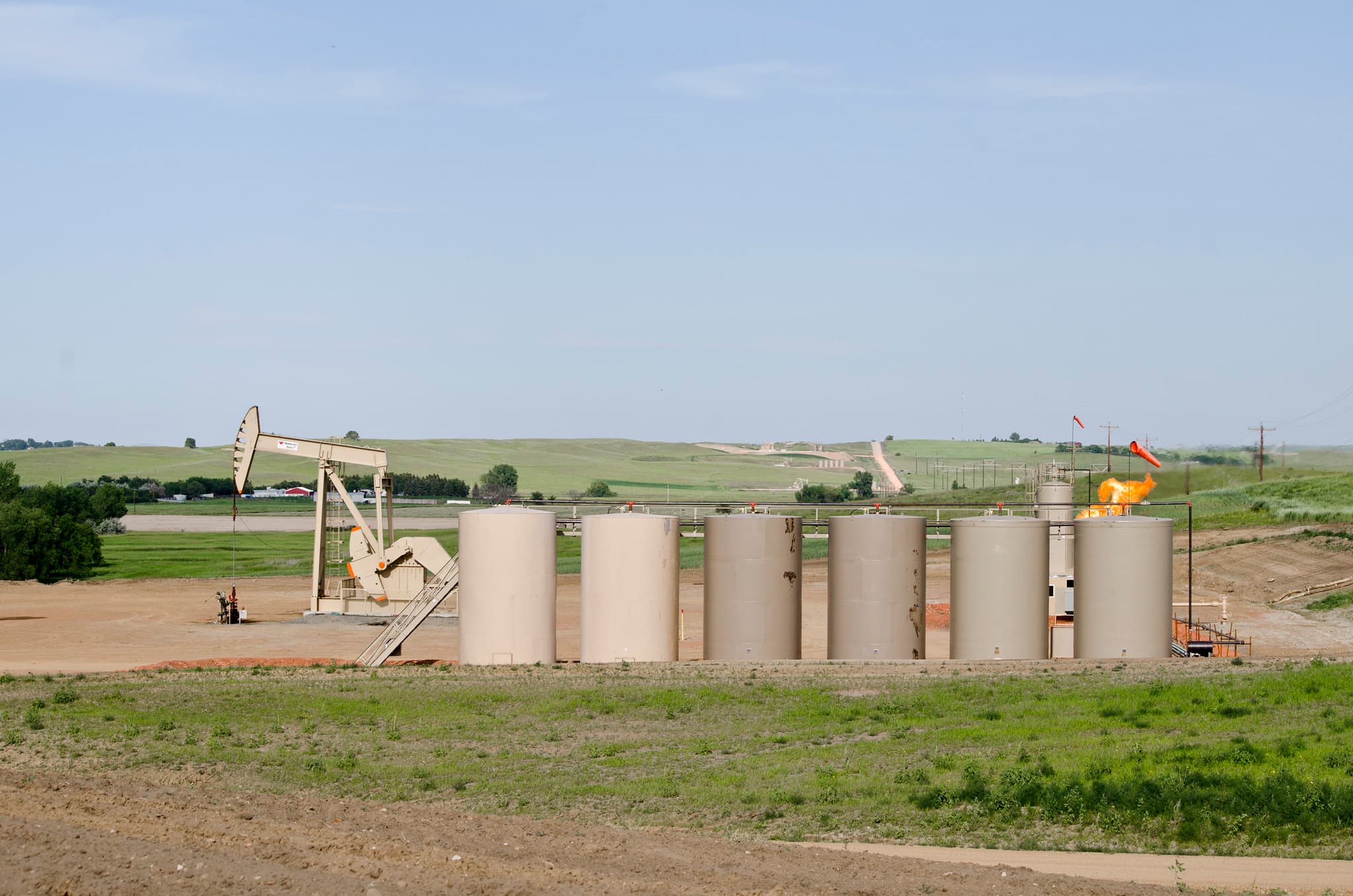
Oil surged 3 percent on Sept. 15, with Brent crude touching $107 a barrel and West Texas Intermediate near $103, as a critical Saudi Arabian pipeline remained offline following an attack and regional tensions escalated.
The jump marks a sharp reversal in commodities pricing that immediately rippled through fixed-income markets. Brent and WTI trading above $100 a barrel—combined with U.S. diesel hitting record levels—has forced central banks to signal continued hawkishness despite recession risks. The European Central Bank has already tightened in response to the energy shock, and markets are now pricing elevated odds of further rate hikes as persistent energy inflation becomes the dominant constraint.
Attacks on Saudi infrastructure and shipping near the Strait of Hormuz, coupled with Houthi advances and stalled U.S.-Iran diplomacy, have intensified supply disruption fears. Iran claimed a tanker struck mines in the Strait, adding to geopolitical uncertainty that traders say could persist for months.
The oil rally has compressed spreads between front-month and deferred contracts, signaling near-term supply tightness. Commodity traders and hedge funds—including Gunvor, Citadel and Vitol—are aggressively accumulating physical U.S. shale assets, bidding up merger and acquisition activity in the sector and limiting near-term production flexibility.
U.S. refiners have capitalized on the dislocation, significantly outperforming upstream oil majors. Valero, Marathon Petroleum and Phillips 66 have more than doubled in value this year, reflecting the margin expansion from elevated crack spreads.
The duration outlook has shifted materially. Any sustained oil price above $105 a barrel forces central banks to tolerate higher terminal rates longer, extending the period of 4% to 5% policy rates and pressuring the long end of the curve. Bond traders are now monitoring weekly inventory reports and diplomatic developments from the Middle East with the same intensity they track payroll data.