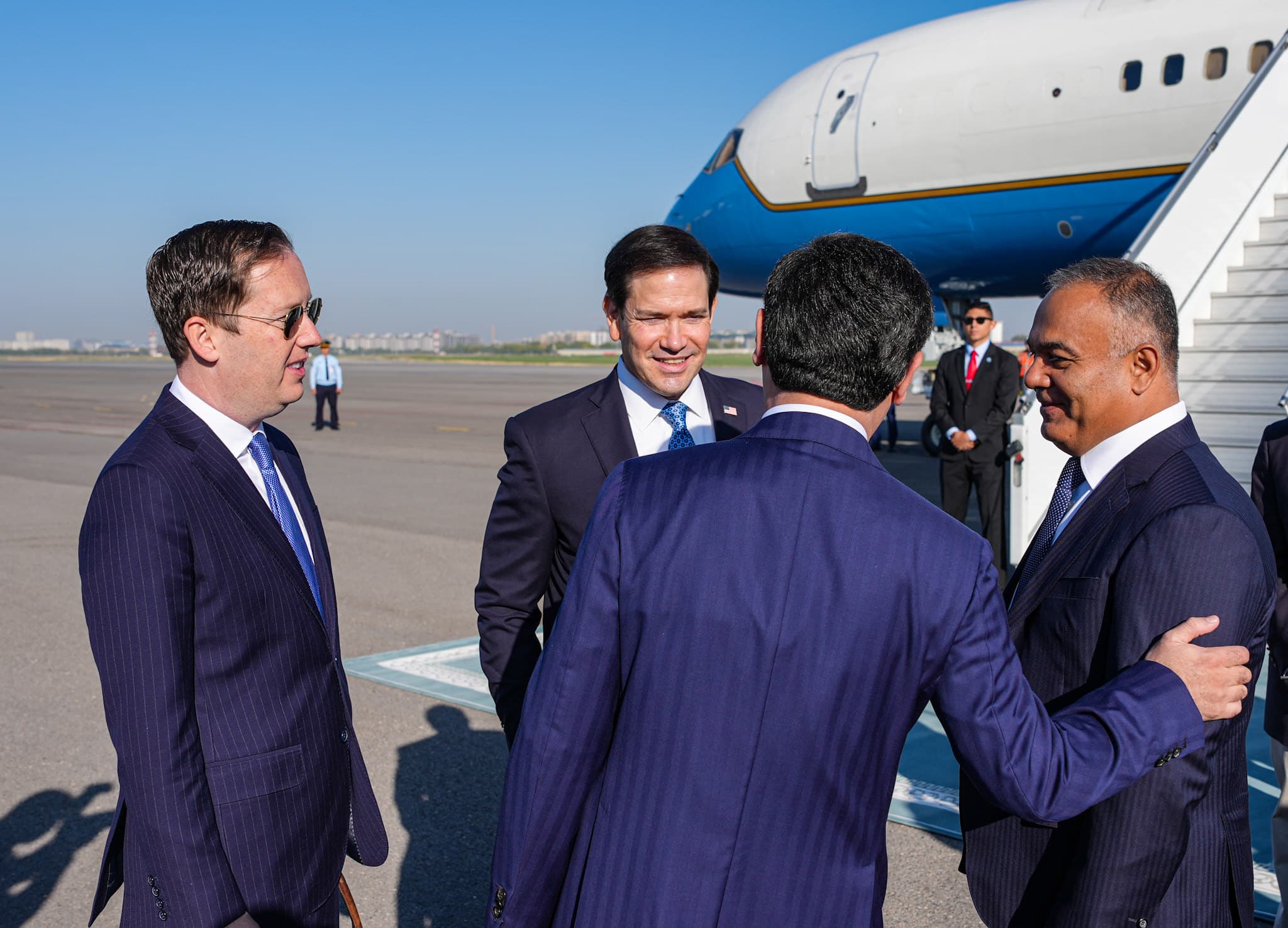
Trade talks between the United States and Canada collapsed today without resolving a bitter dispute over steel and aluminum tariffs, leaving both nations' retaliatory measures intact and signaling a prolonged trade war between the two largest trading partners.
U.S. Trade Representative Katherine Tai and Canadian Minister of International Trade Mary Ng led the discussions in Washington but failed to narrow their positions. The breakdown means President Trump's 2018 tariffs—25 percent on steel, 10 percent on aluminum—remain in effect. Canada's dollar-for-dollar retaliation on $12.6 billion worth of U.S. goods, including washing machines and whiskey, continues unabated.
Trump originally imposed the tariffs citing national security. Trudeau has repeatedly called them "unacceptable" and a barrier to free trade, but the two sides remain deadlocked over the underlying dispute.
The tariffs have created winners and losers on both sides of the border. U.S. steel manufacturers like U.S. Steel and Nucor have reported increased domestic sales. But U.S. automakers have complained about rising input costs, and Canadian aluminum producers like Rio Tinto Alcan have lost access to the American market, curtailing their production.
No high-level negotiations are scheduled to resume. The Commerce Department will continue enforcing existing tariffs, while Canada's trade ministry said it would pursue "other diplomatic and legal avenues" to challenge them.