The Democratic National Committee is gathering in Austin, Texas, this week to finalize its 2028 presidential primary calendar. The expected vote will cement a new order designed to elevate states with more diverse populations, shifting early influence within the party.
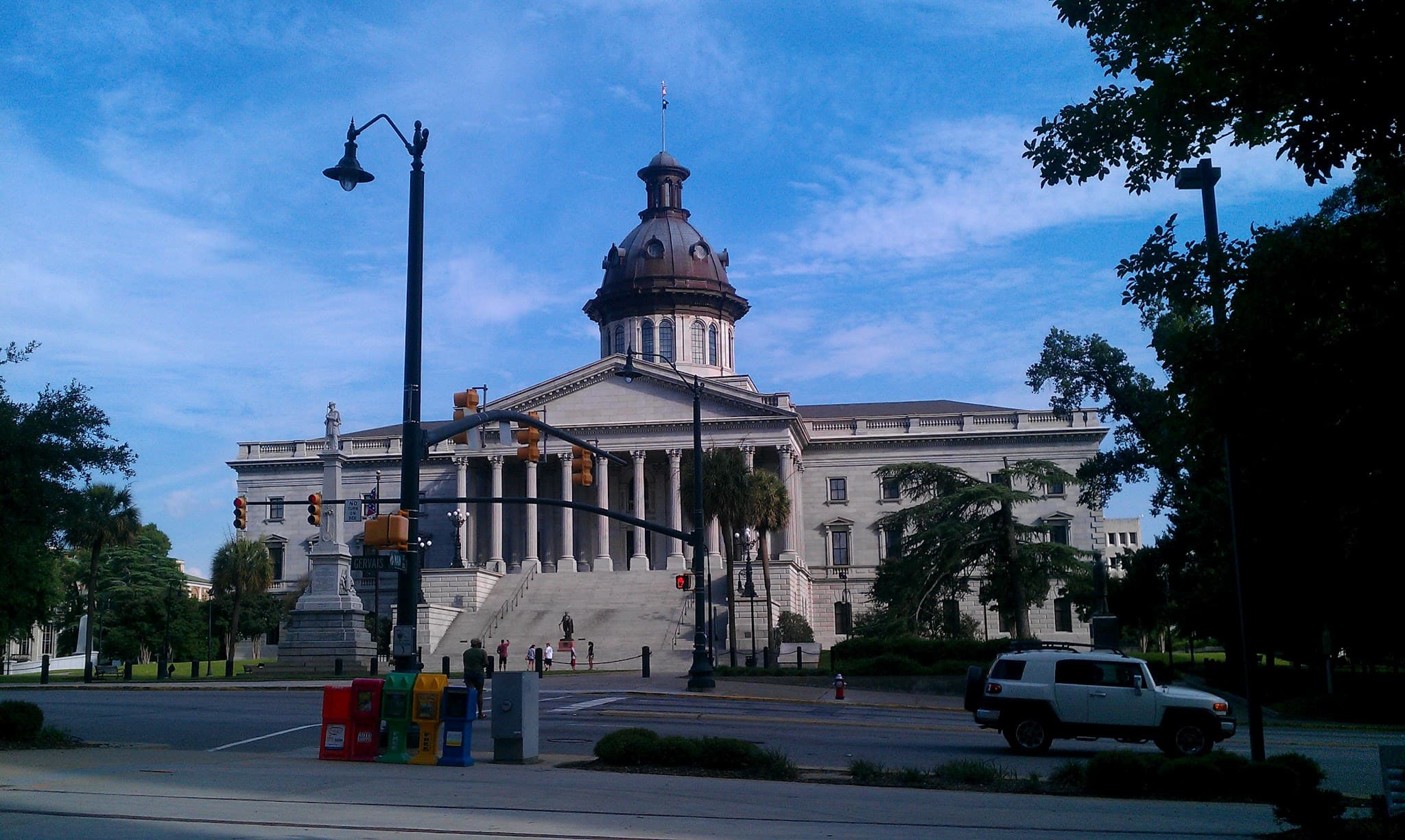
The proposed calendar places South Carolina's primary first on Jan. 22. Nevada follows on Feb. 1. New Hampshire, New Mexico, Michigan and Virginia would then hold their contests throughout February, rounding out the initial slate of early voting states.
The overhaul reflects Democrats' stated effort to give greater weight to states that better represent the party's demographic coalition, particularly Black and Latino voters. The move aims to reshape the path candidates must facing to secure the nomination.
For years, Iowa and New Hampshire led the primary calendar. Both states have overwhelmingly white electorates, a demographic reality that critics within the party argued did not accurately reflect the broader Democratic base.
The shift to South Carolina was a change former President Joe Biden advocated for. That state's primary revived his struggling 2020 campaign, proving a critical test of his support among Black voters in the South.
Iowa officials have voiced strong disappointment with the decision. Rita Hart, the Iowa Democratic Party chair, said the move signals the party is "out of touch with voters" by sidelining a state long accustomed to its first-in-the-nation status.
Leaders from New Hampshire have also condemned the DNC's plan. Sens. Jeanne Shaheen and Maggie Hassan said the decision was wrong for their state and the country. New Hampshire law requires its presidential primary to occur at least seven days before any other state, setting up a direct conflict with the DNC's proposed schedule.
The DNC meeting comes during a period of internal turmoil for the party. Some members are calling for DNC Chairman Ken Martin to be replaced, citing concerns over his leadership and the party's fundraising, which lags behind Republicans just months before midterm elections that will determine control of Congress.
Democratic voters have sent mixed signals in recent primaries, backing both progressive and more moderate candidates across several states.
Republicans are expected to maintain their traditional early-state lineup, keeping Iowa and New Hampshire as the first two contests—a sharp contrast with the Democratic Party's reordered schedule.