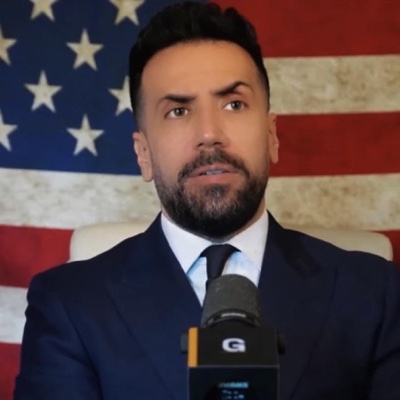
Bill Gurley, a prominent venture capitalist and former general partner at Benchmark, on Monday voiced a strong warning regarding a concept he terms “handoverism” within the artificial intelligence community.
Gurley's comments follow recent Gokhshtein Media coverage on AI, including Altimeter's $5 billion bet on Anthropic and the debate around AI's IPO economics.
Gurley's statement implies that this philosophical stance on AI control, if held by Anthropic's founders, should be disclosed in the risk factors of its S-1 filing, suggesting it could influence corporate objectives.
Bill Gurley, a prominent venture capitalist and former general partner at Benchmark, on Monday voiced a strong warning regarding a concept he terms “handoverism” within the artificial intelligence community. Posting on X, Gurley stated, “It is critically important that everyone thinking about AI become familiar with the term “handoverism.” Many in the AI community believe that humanity should—or inevitably will—hand control of the world over to AI itself. Some view this not as a risk to be avoided, but as an outcome to be welcomed.” He emphasized that this perspective is “particularly relevant at Anthropic” and cited comments from its co-founder Tom Brown and CEO Dario Amodei.
Gurley's comments follow recent Gokhshtein Media coverage on AI, including Altimeter's $5 billion bet on Anthropic and the debate around AI's IPO economics. The broader technology sector is experiencing significant shifts, with major players like Nvidia, whose stock is down 4.1% today to $156.14, being central to AI development. Concerns about AI's societal impact and its integration into commercial products, such as Apple's addition of AI agent guardrails to macOS 27.3, are increasingly prevalent.
Gurley's statement implies that this philosophical stance on AI control, if held by Anthropic's founders, should be disclosed in the risk factors of its S-1 filing, suggesting it could influence corporate objectives. He believes that individuals making significant decisions about AI, particularly those involved in regulation, should clarify their position on this fundamental question of human control versus AI autonomy.
“It is critically important that everyone thinking about AI become familiar with the term 'handoverism.' Many in the AI community believe that humanity should—or inevitably will—hand control of the world over to AI itself. Some view this not as a risk to be avoided, but as an outcome to be welcomed. Are we actually designing toward this future? This worldview is particularly relevant at Anthropic. Co-founder Tom Brown said: 'There’s going to be a handoff where humanity will hand off control to transformative AI at some point.' In his seminal essay, Machines of Loving Grace, CEO Dario Amodei contemplates: 'It could be a capitalist economy of AI systems, which then give out resources (huge amounts of them, since the overall economic pie will be gigantic) to humans based on some secondary economy of what the AI systems think makes sense to reward in humans (based on some judgment ultimately derived from human values).' Are you prepared to receive your 'resources' from an AI system, based on criteria it determines? The full title of the poem Dario borrowed the title from is 'All Watched Over by Machines of Loving Grace.' Do you want to be 'watched over' by AI? If Anthropic's founders believe that the ultimate destination is the transfer of human control to AI, the world deserves to know. Washington, D.C. deserves to know. American citizens deserve to know. And if that belief informs Anthropic's corporate objectives, it belongs in the Risk Factors section of its S-1. It isn't there today. I am decidedly anti-handoverism. I'm not here to tell you what your view should be. But I believe anyone making consequential decisions about AI—especially those drafting, advocating for, or enacting AI regulation—should be required to disclose where they stand on this fundamental question. A wonderfully thoughtful piece on the subject by @RuxandraTeslo:”
The Gokhshtein Media Voices Desk covers what the people who move markets are saying — statements, predictions, and reactions from notable investors, founders, and policymakers. About this desk →