The Federal Reserve's commitment to holding rates at elevated levels poses a greater structural constraint on artificial intelligence sector growth than the valuation multiples of individual companies like Nvidia.
Higher discount rates directly compress the present value of future earnings across technology stocks. But the mechanism that matters most for AI is the cost of capital itself: venture capital deployment and corporate debt issuance both decline as borrowing becomes more expensive, slowing the infrastructure buildouts—data centers, GPU clusters, specialized hardware—that underpin the AI expansion cycle.
The Fed has signaled rate cuts are not appropriate until inflation shows sustained progress toward its two percent target. Core PCE held above 2.8 percent for three consecutive months, driven by sticky services inflation. This elevated rate environment creates a systemic drag on capital-intensive, long-duration sectors regardless of underlying demand.
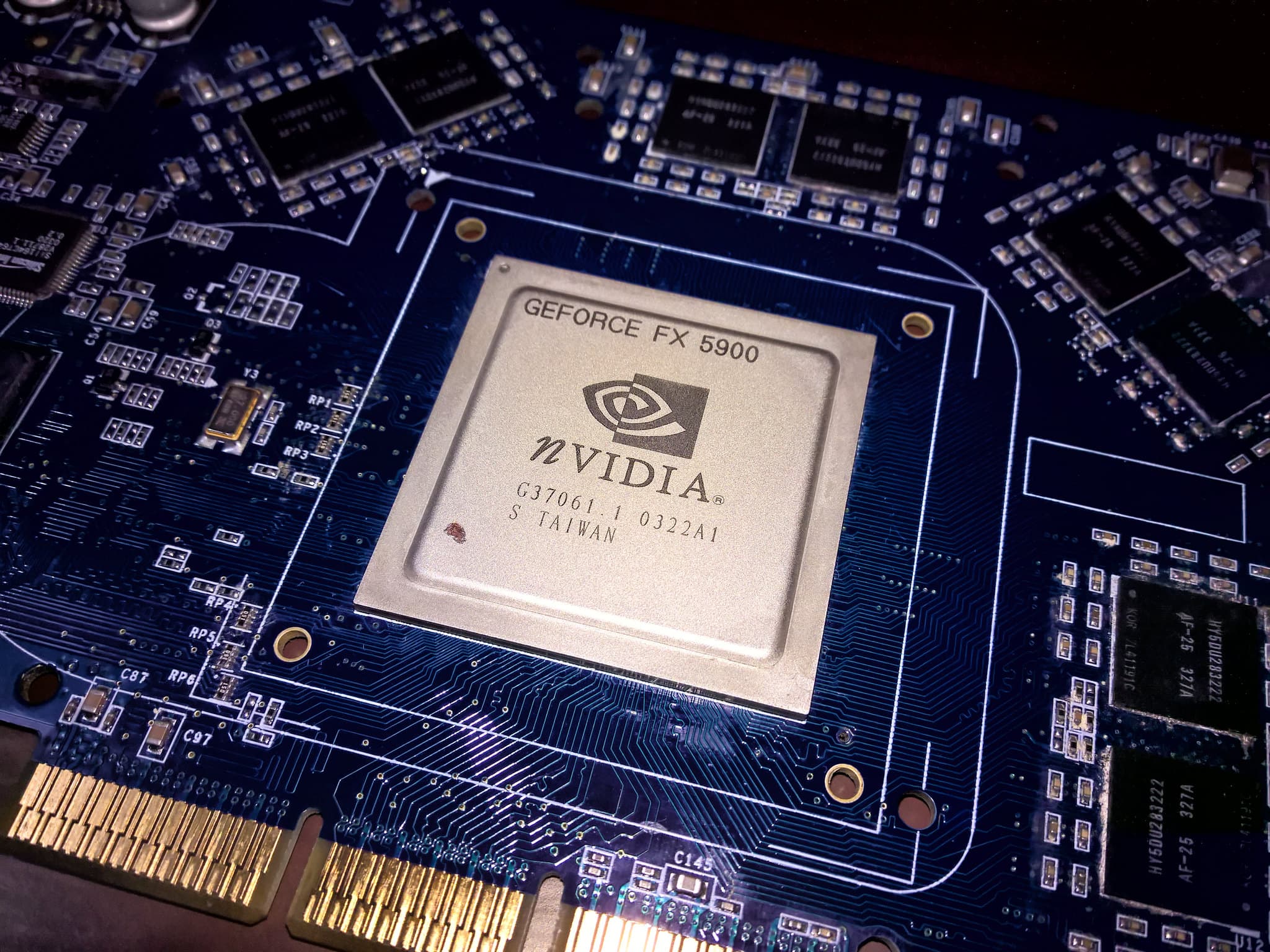
Nvidia, which leads in AI hardware, trades at valuations that reflect market expectations. But the broader constraint is not any single company's P/E multiple—it is the aggregate cost of funding innovation. Infrastructure deployments require substantial upfront capital. If financing becomes more expensive or difficult to secure, the pace of deployments decelerates, which slows the adoption cycle for AI applications across industries.
The counterargument holds that AI demand is inelastic, driven by fundamental technological shifts that transcend interest rate cycles. Proponents contend that competitive advantages and efficiency gains from AI compel continued investment regardless of borrowing costs. However, even robust end-user demand can be constrained by financing availability and cost. History of technology cycles shows that capital scarcity, not demand destruction, is often the binding constraint on deployment pace.
The primary risk is not individual company market position but the aggregate cost of funding the infrastructure and R&D that the AI sector requires. The Fed's policy stance, aimed at curbing inflation, inherently prioritizes price stability over rapid economic expansion. This trade-off disproportionately affects sectors with long duration and high capital intensity. Until inflation moderates sufficiently for the Fed to ease, the macro financial environment will remain the chief constraint on AI expansion.


