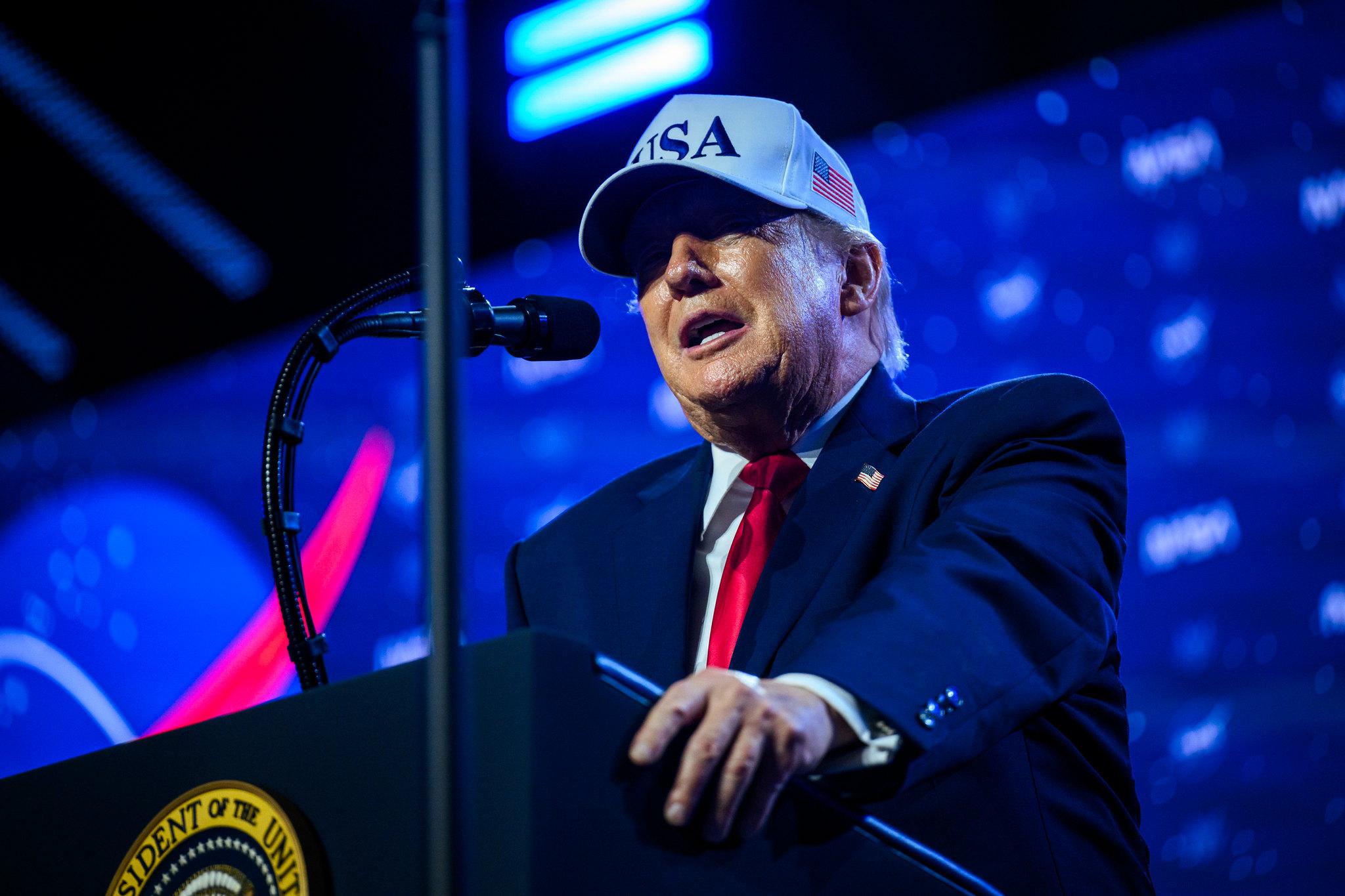
President Donald Trump expressed openness this week to a deal providing a pathway to citizenship for millions of undocumented immigrants—a notable rhetorical shift on an issue his administration has fought for years.
But Trump cannot act alone. Any such deal requires Congress to pass legislation. Senate Majority Leader John Thune and Speaker Mike Johnson would be central to any push, and both chambers remain deeply divided on the terms.
Comprehensive immigration reform has stalled in Congress for decades. Lawmakers have deadlocked over border security measures versus legal status for undocumented residents. The last major bipartisan attempt—the 2013 Border Security, Economic Opportunity, and Immigration Modernization Act—passed the Senate but died in the House, despite including a pathway to citizenship for millions.
Trump's public remarks suggest a willingness to negotiate on terrain his administration has fought hard. The political calculus remains treacherous. Republican hardliners oppose legalization without strict enforcement; Democrats want a clear path without punitive delays. Past negotiations have broken down over this exact divide.
Estimates put the undocumented population at roughly 10 million to 12 million people. Granting them citizenship would reshape the legal status of a large segment of the U.S. population and alter the electoral math for years to come.


