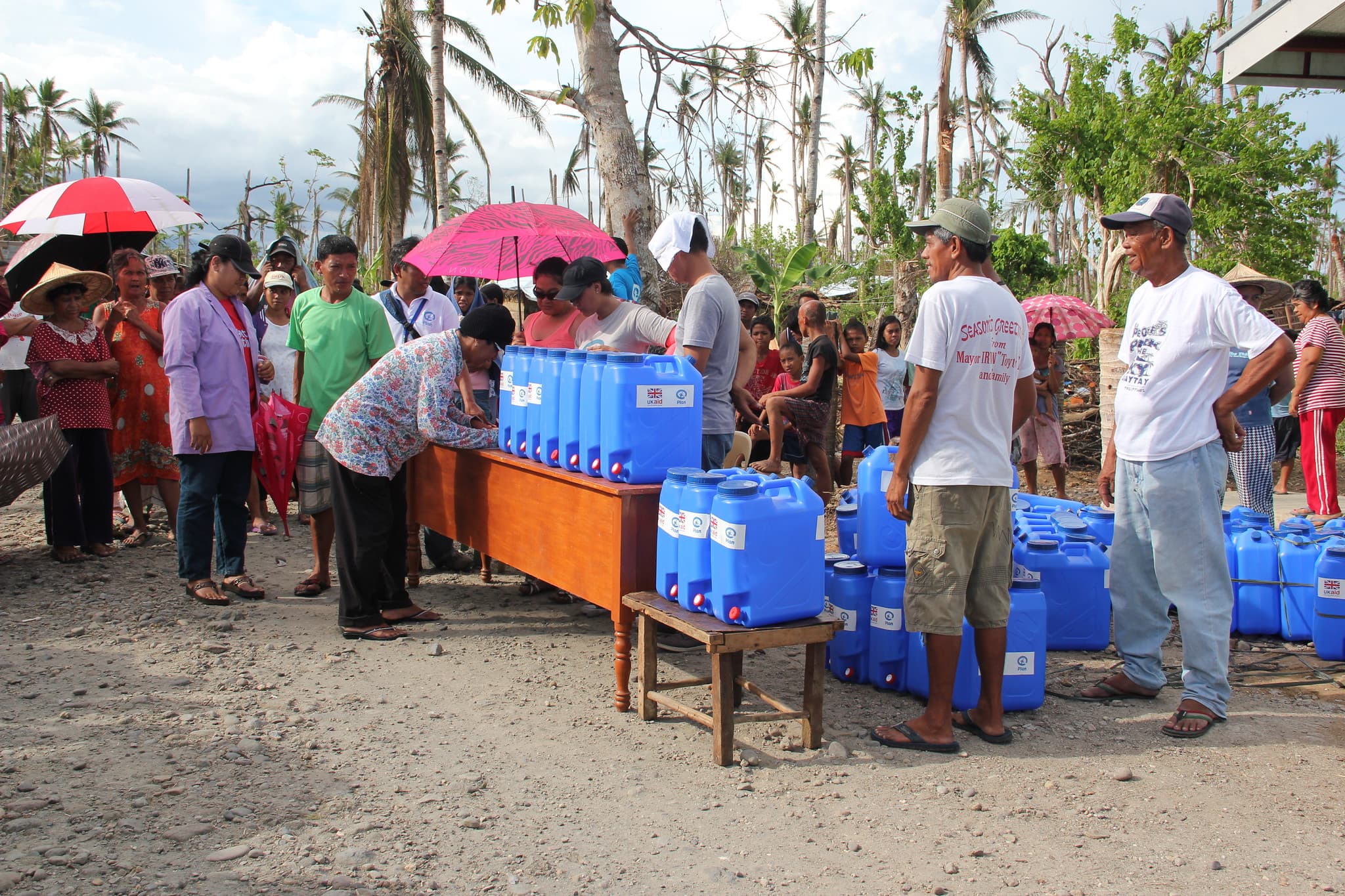
A series of intense storms, exacerbated by the El Niño weather pattern, has caused dozens of deaths, closed major airports and destroyed crops and infrastructure across East Asia in recent months.
In October, Typhoon Champi, a storm equivalent to a category five hurricane, approached Taiwan's northeastern coast with winds reaching 295 kilometers per hour (193 mph), powerful enough to flatten homes and generate destructive waves. While Champi did not make landfall in Taiwan, it brought heavy rain to the island and resulted in hundreds of flight cancellations across Hong Kong, Taiwan and Japan. In the Philippines' Batanes archipelago, massive waves forced the closure of seaside highways. In Japan's Okinawa islands, 15,000 homes lost power.
El Niño is a naturally occurring climate phenomenon that emerges every two to seven years and typically lasts about a year. It involves warm waters pooling in the eastern Pacific and altered wind patterns that drive extreme weather globally.
This year's El Niño is forecast by the UK Met Office to be the strongest on record and is expected to persist until February or March. The Pacific Ocean has reached record temperatures due to El Niño.
The Accumulated Cyclone Energy metric, which measures the total intensity of a season's storms, indicates the Pacific is now primed for typhoons. The ACE reading for Southeast and East Asia is projected to be nearly double the 30-year average this year.
El Niño alters wind patterns, causing typhoons to form further east than usual. These storms strengthen as they spend extended periods over warmer waters.
Ana Liza Solis, head of climatology at the Philippines national weather bureau, said in a September press briefing in Manila: "The Pacific can be likened to someone burning with fever. It can go into convulsions soon."
In June, Japan faced two simultaneous storms, Typhoon Mekkhala and Severe Tropical Storm Higos, which prompted the evacuation of one million people from its eastern coast.
In July, Tropical Storm Narra grazed China's southern coast near Guangxi, submerging villages and displacing tens of thousands of residents.
August brought Super Typhoon Dolphin, which traversed the Pacific for 16 days before striking eastern China and causing heavy floods and dozens of casualties. Later that month, Typhoon Saudel made landfall in three southeastern Chinese cities within a single week, disrupting transport networks and forcing thousands of evacuations.
Last month, sea surface temperatures in the equatorial Pacific, an area monitored by the Japan Meteorological Agency for El Niño predictions, rose by 4 degrees Celsius, suggesting the extreme weather may continue.