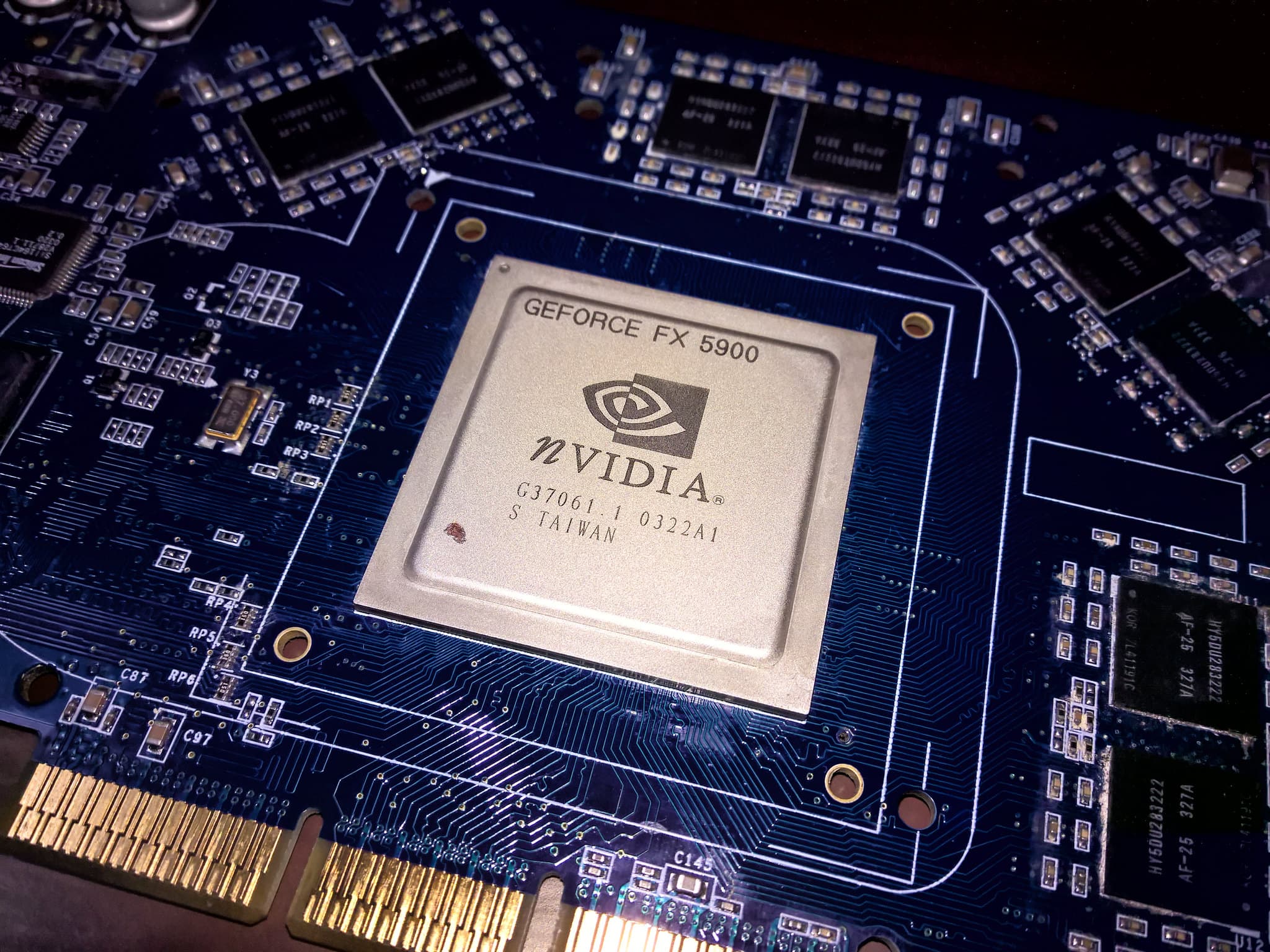
OpenAI CEO Sam Altman visited South Korea this week to negotiate chip partnerships with Samsung and SK Hynix, targeting advanced memory and custom AI accelerators for OpenAI's operations. The move reflects an aggressive strategy to reduce dependence on Nvidia's GPUs and secure dedicated HBM capacity through 2025.
OpenAI faces acute pressure to scale compute for larger model training. Nvidia dominates this market—its GPUs command 80 percent-plus market share in AI accelerators—but Altman's direct supply negotiations target a structural vulnerability: SK Hynix has stated HBM production is sold out through 2025. Securing dedicated capacity bypasses open-market competition and locks in pricing.
For Nvidia shareholders, this is a material risk. Custom silicon and diversified sourcing erode two profit drivers: unit volume and pricing power. If OpenAI moves even 20 percent of compute off Nvidia GPUs toward Samsung or custom alternatives, it signals a broader shift in how large AI labs will procure hardware. Competitors like AMD and Intel will watch closely for proof points that alternatives are viable at scale.
Microsoft, OpenAI's majority backer and $521.91 at market close, has direct upside here. Stable, cost-effective chip access for OpenAI directly strengthens Azure AI margins and competitive positioning against Amazon Web Services and Google Cloud.
Watch for three catalysts: (1) any SK Hynix or Samsung earnings guidance mentioning OpenAI contracts; (2) Nvidia's next earnings call for management commentary on competition and customer diversification; (3) announcements from OpenAI or Microsoft on custom chip development timelines.


