OpenAI has adjusted its internal valuation target to $1.25 trillion, down from earlier ambitions. The reduction reflects investor pushback on cash burn rates and demands for clear paths to profitability—a significant pivot from the frothy valuations that defined AI investing over the past two years.
Private market capital allocators are now scrutinizing unit economics and revenue models with new rigor. This shift has direct consequences for public equities with deep AI exposure.
Microsoft, trading around $520, faces material risk. Its partnership with OpenAI is strategic, but a cooler private valuation for OpenAI could dampen expectations for direct revenue contributions to Microsoft's cloud business. The bar for proving AI-driven growth has risen sharply.
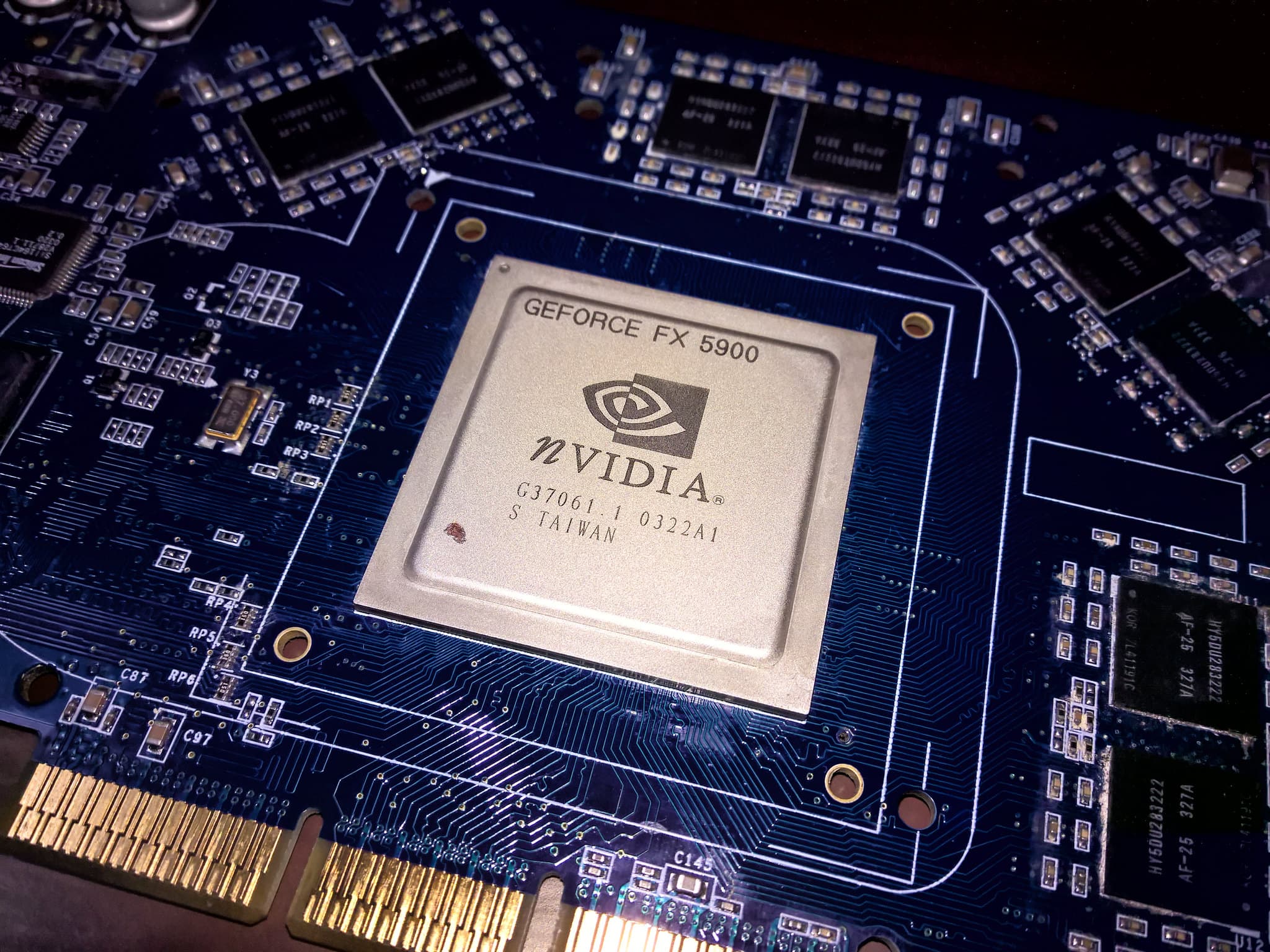
Nvidia, around $212, sits in a more defensible position. The company benefits from robust infrastructure demand that extends beyond OpenAI—its chips power AI workloads across hyperscalers and enterprise deployments. However, if the broader AI investment narrative cools and customers delay large capital deployments, even Nvidia's premium valuation multiples could compress.
The inflection point is earnings. Microsoft's late-January report will be critical. Investors will dissect specific metrics on AI-related revenue growth and cloud margins. Any signal that AI monetization is slower than consensus expects could trigger multiple compression across the entire sector.
For portfolio managers: Watch for deterioration in customer acquisition costs for AI solutions and any extension in sales cycles. The market is shifting from narrative-driven valuations to cash-flow discipline. Firms without proven business models will face funding pressure; those with clear unit economics will command premiums.


