Uber Technologies (UBER) trades at 14.9 times trailing earnings—a discount to the S&P 500's 22.9 times—but the valuation is deceptive. The quarter ending Sept. 30, 2025, included a $6.63 billion one-time tax benefit that comprised nearly 69 percent of Uber's $9.58 billion profit. Strip that out, and the normalized multiple expands sharply, eroding the apparent bargain.
Mobility, Uber's ride-hailing unit, generated $29.7 billion in fiscal 2025—57 percent of total revenue. Growth in that segment decelerated to 18.3 percent in fiscal 2025 from 26.5 percent the prior year. This is the business autonomous vehicles are meant to transform, and slowdown in the core segment raises questions about whether driverless cars can reignite growth or merely preserve it.
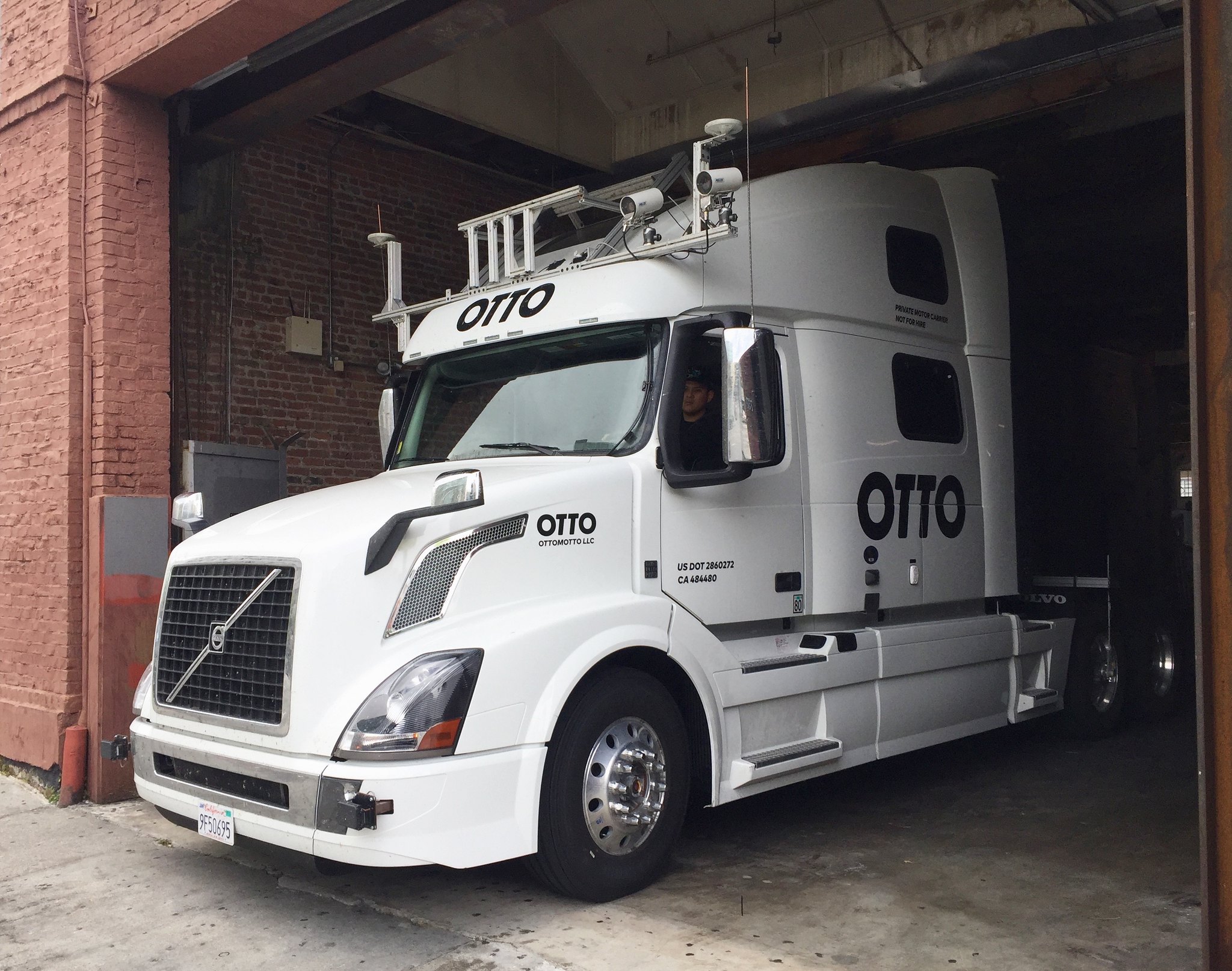
Autonomous vehicles now account for less than 0.5 percent of Uber's 300 million weekly trips—hundreds of thousands weekly in absolute terms, but trivial as a percentage. Management's 120,000-vehicle commitment over the next few years depends on partnerships with car makers including Waymo and Lucid. During the August investor call, management acknowledged partnership vulnerabilities and regulatory hurdles around job displacement, safety, and traffic congestion. The company signaled willingness to proceed cautiously, a euphemism for potential delays.
Uber has committed $10 billion to autonomous development over several years. That capital allocation reflects conviction, but the spending is spread thin over a timeline with no near-term revenue contribution. Regulators retain veto power over scaling driverless rides, a risk outside Uber's control.
The stock closed Oct. 19, 2026, down 29.8 percent from its 52-week high, trading at 2.6 times sales versus the S&P 500's 3.1 times. Uber's revenue has grown at 16.4 percent annually over the past three 12-month periods, outpacing the broad market's 5.9 percent. Yet the discount reflects market skepticism that this growth trajectory survives scaling autonomous operations and regulatory friction. Watch Mobility's sequential quarterly growth rates and Waymo/Lucid delivery timelines. If Mobility decelerates further while driverless remains a rounding error, the market's caution is justified.


