Global PC shipments plummeted 21.2 percent year over year in the third quarter of 2026 to 58.1 million units, according to Omdia—the steepest drop since Q1 2023 and a structural problem, not a cyclical blip.
IDC corroborated the collapse, reporting a 20.1 percent year-over-year decline to 62.7 million units, down from 78.5 million in Q3 2025. The 20.1 percent Q3 drop is the largest the firm has ever recorded for the quarter.
Desktop shipments fell 23.5 percent to 11.7 million units. Laptops declined 20.6 percent to 46.4 million. Worse: Q3 saw 9.1 percent fewer PCs than Q2 2026's 68.2 million units—a reversal of the historical seasonal pattern.
The root cause is straightforward economics gone wrong. PC vendors front-loaded inventory in early 2026 expecting memory price hikes. That gamble paid off—but only in amplifying the damage. By Q3, sales channels sat on excess stock while consumers balked at prices. Vendors and their manufacturing partners began cutting production in Q3 to clear the bloat.
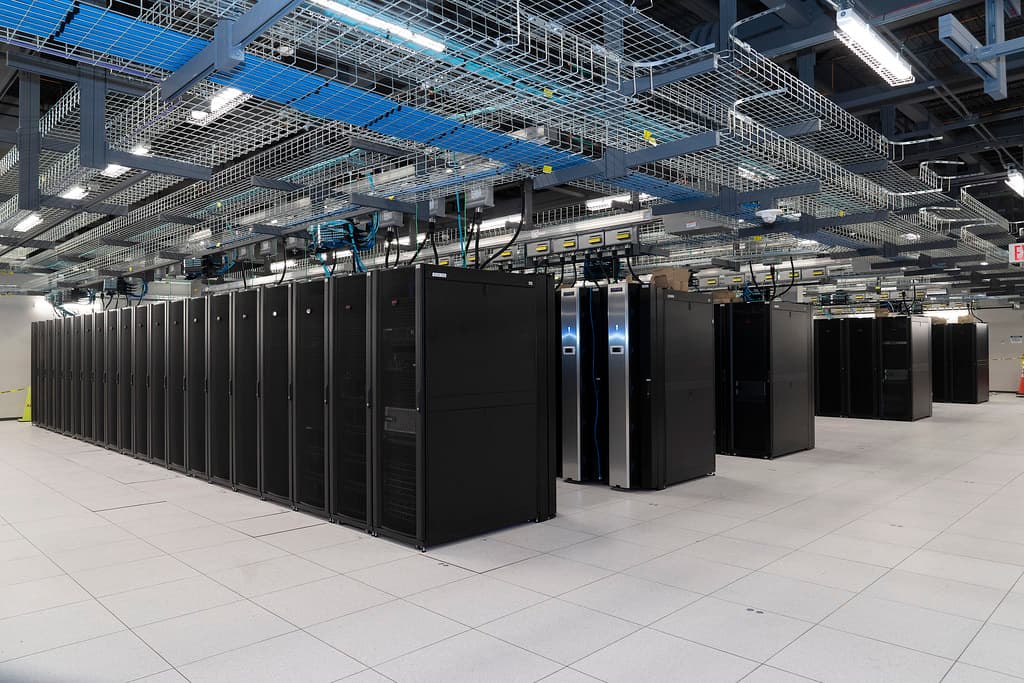
The deeper issue: artificial intelligence workloads have redirected high-bandwidth memory and server DRAM manufacturing capacity away from consumer devices since 2025. Memory and storage now represent nearly 40 percent of a PC's bill of materials, up from a historical 15 percent. PC prices have risen over 300 percent as a result.
"Component cost increases have fully transferred to end-market pricing," said Ishan Dutt, Omdia research director. Both consumers and IT decision-makers are now price-constrained.
Jitesh Ubrani, research director for consumer devices at IDC, put the decline in context: larger drops occurred in Q4 2022 (-28.2 percent) and Q1 2023 (-28.7 percent), but those followed pandemic inventory excesses. This downturn reflects a genuine reallocation of the silicon supply chain toward AI infrastructure—a structural shift, not a temporary correction.
The channel inventory glut may trigger near-term discounting, offering consumer relief. But Ubrani warned that high prices will persist. IDC forecasts only modest, temporary price relief. Worsening macroeconomic conditions could worsen the outlook over the next several quarters before any improvement emerges.