President Donald Trump committed in early September to campaign in 35 locations for Republican candidates in competitive races before the midterm elections. He made the pledge at a White House Rose Garden dinner with roughly 30 GOP candidates.
He has since visited fewer than a third of those races. His October rally schedule focused on traditionally Republican territory—two stops in Ohio, two in Texas, and single events in Oklahoma and Tennessee—rather than the swing states and districts he initially indicated.
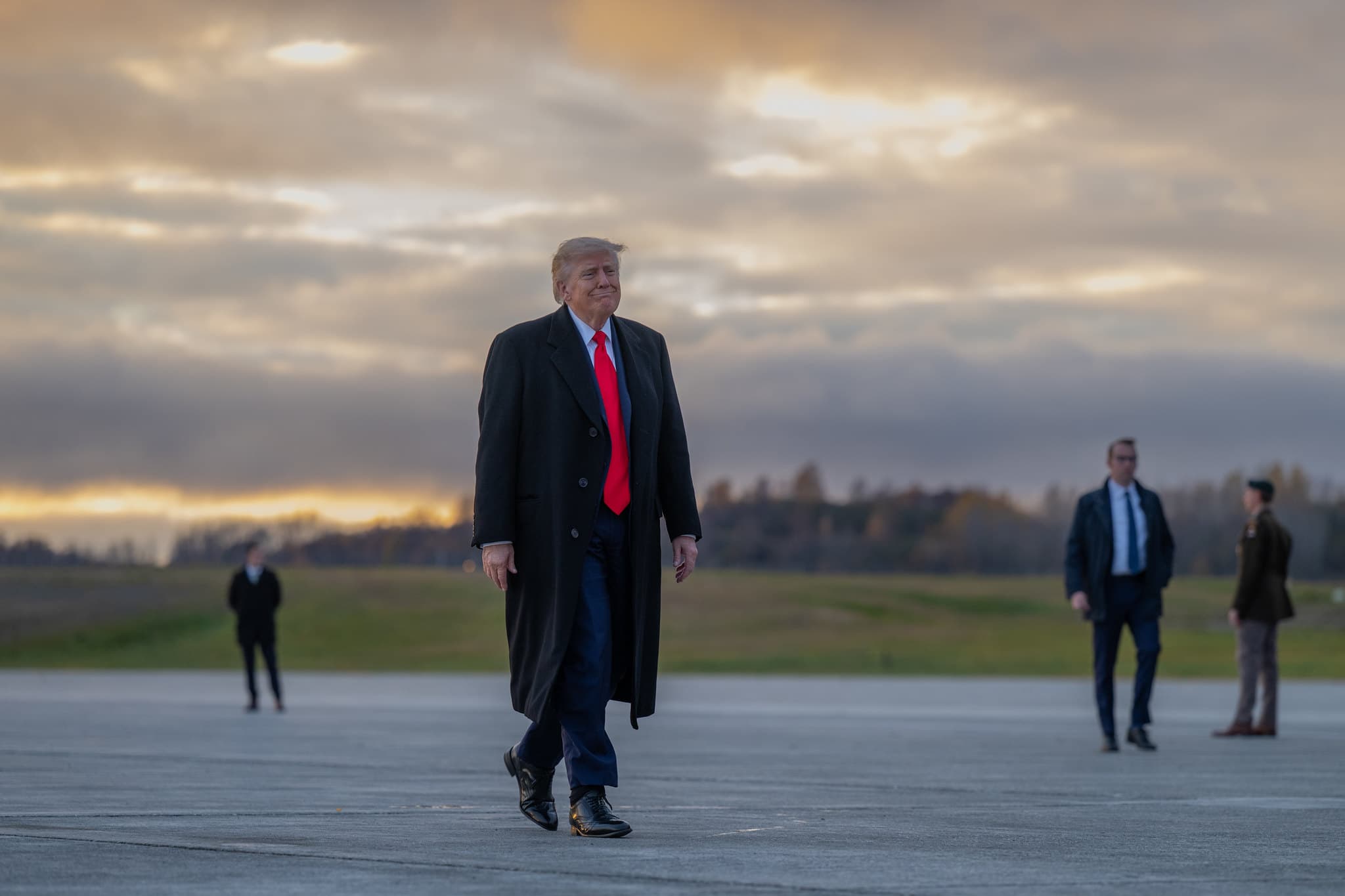
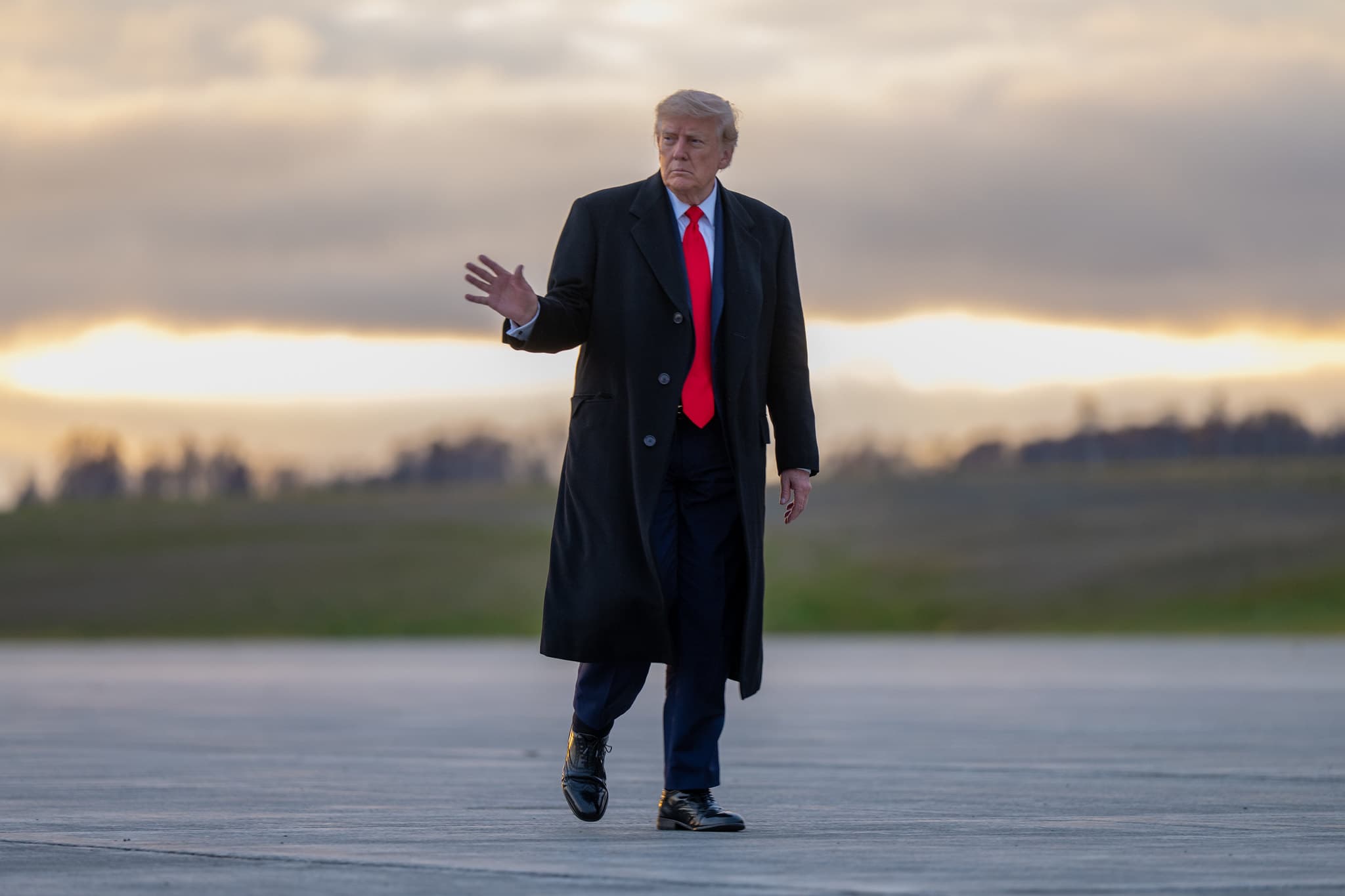
Trump said his visits to states he won decisively in 2024 were expressions of gratitude. "I do it to thank them," he said on a tarmac between rallies in Arizona and Montana. "We have some great people there that are running and I want to make sure they win."
Earlier this week, Trump traveled eight hours to Alaska to support Republican Sen. Dan S. Sullivan and Rep. Nick Begich, both in close races in a state Trump carried by 13 points in the 2024 presidential election. "This is worth the 8 hours in a plane," he said, acknowledging the grueling travel.
Following the Alaska visit, Trump made two more stops on his return journey and spent the night at a Trump hotel in Las Vegas. The Republican National Committee announced a campaign stop for him in Kansas on Monday, targeting a U.S. Senate race now considered a toss-up—a development few anticipated a month ago.
RNC Chairman Joe Gruters said the strategy centers on activating the Republican base. "It's turnout, turnout, turnout," Gruters said from a Trump rally in Arizona. "How do you get the base to show up? You put the president on the ballot. You put him out there."
The shift reflects a tighter electoral landscape. Republicans are now contending in several states they traditionally won with little difficulty, forcing candidates in reliably red districts to seek a presidential boost.