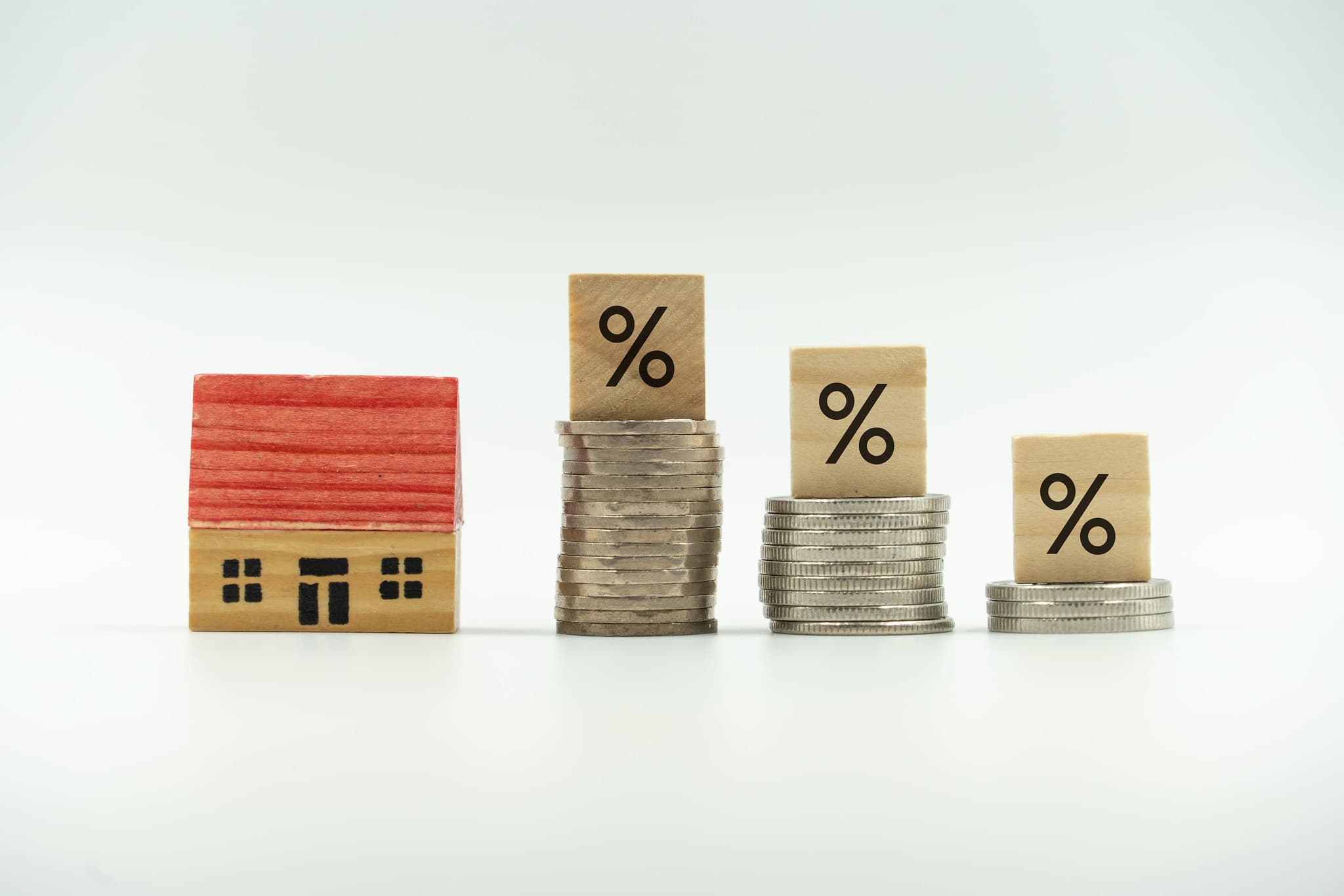
U.S. mortgage rates climbed to 7.5 percent, a level not seen in recent memory. Home purchasing activity has declined for six consecutive weeks, showing a direct inverse relationship between rate increases and buyer demand.
The sustained uptick in mortgage rates reflects the Federal Reserve's tightening cycle. Higher benchmark interest rates translate directly to increased borrowing costs for consumers seeking home loans, reducing purchasing power. A buyer who could afford a $400,000 home at 3 percent now qualifies for roughly $280,000 at 7.5 percent—a 30 percent loss in buying capacity.
This environment presents a particular challenge for first-time homebuyers, whose affordability constraints are most acute at elevated rates. The monthly payment on a $300,000 loan more than doubles from $1,265 at 3 percent to $2,098 at 7.5 percent.
Counterarguments suggest strong employment or rising wages could sustain housing demand despite higher borrowing costs. Current purchasing data, however, shows the rate effect overwhelming wage gains. The six-week decline indicates buyers are retreating faster than income gains can offset the cost shock.
The long-term housing market impact hinges on whether rates stabilize or decline. Sustained suppression of purchasing activity will eventually constrain inventory and exert downward pressure on prices, though with a lag.


