The S&P 500 declined 3.7% to $6,910 and the Nasdaq fell 5.3% to $22,618 today, entering correction territory. Bitcoin dropped below $57,000 for the first time in two years, pushing the Crypto Fear & Greed Index to 12. The move signals a market reassessing high-growth, high-beta assets under tighter monetary policy and regulatory pressure.
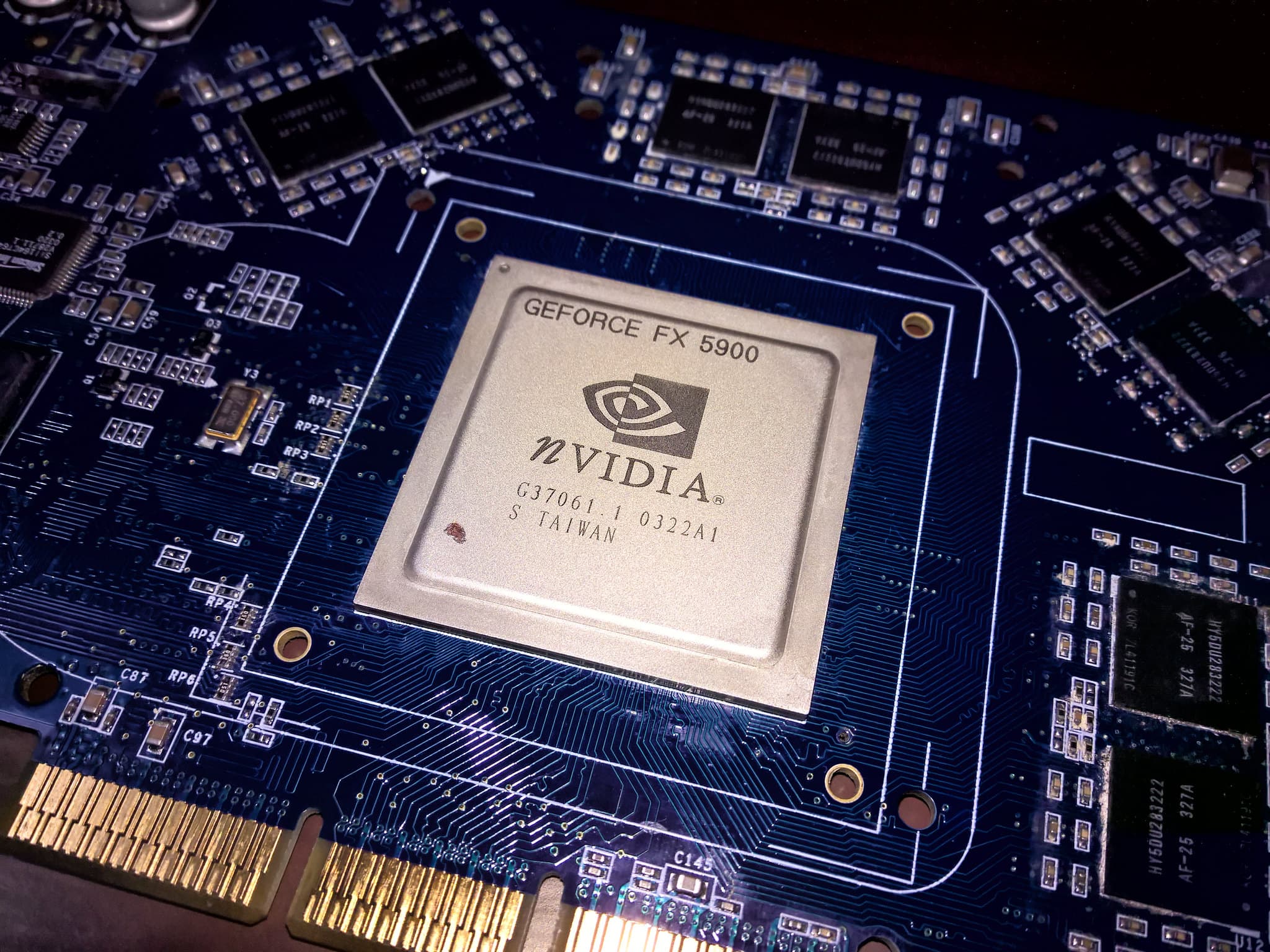
Nvidia collapsed 14.0% to $125.53, its steepest weekly decline since the 2008 financial crisis. Tesla fell 7.6% and Meta dropped 5.9%. The selloff reflects a rapid unwinding of the AI premium that drove markets for two years—the promised exponential growth in AI-driven revenues has not materialized fast enough to justify valuations. President Trump's declaration to halt U.S. companies from building data centers abroad, threatening "tremendous tax" penalties, has added a geopolitical hurdle directly impacting the infrastructure underpinning AI expansion.
Bitcoin breached critical support levels while XRP fell 10%, pushing its associated spot ETF assets below $1 billion. This marks a sharp reversal from the initial "regulation bull case" that followed Bitcoin and Ethereum spot ETF approvals in January and May 2024. Capital is exiting faster than it entered, suggesting the market requires new catalysts beyond product availability.
Liquidation risks are materializing across decentralized finance. BTCS, a publicly traded blockchain infrastructure company, issued a warning today of potential liquidation on its $54 million Aave debt position. Falling asset prices trigger collateral calls, forcing further sales and amplifying volatility—a direct consequence of over-leveraged positions built during periods of high liquidity.
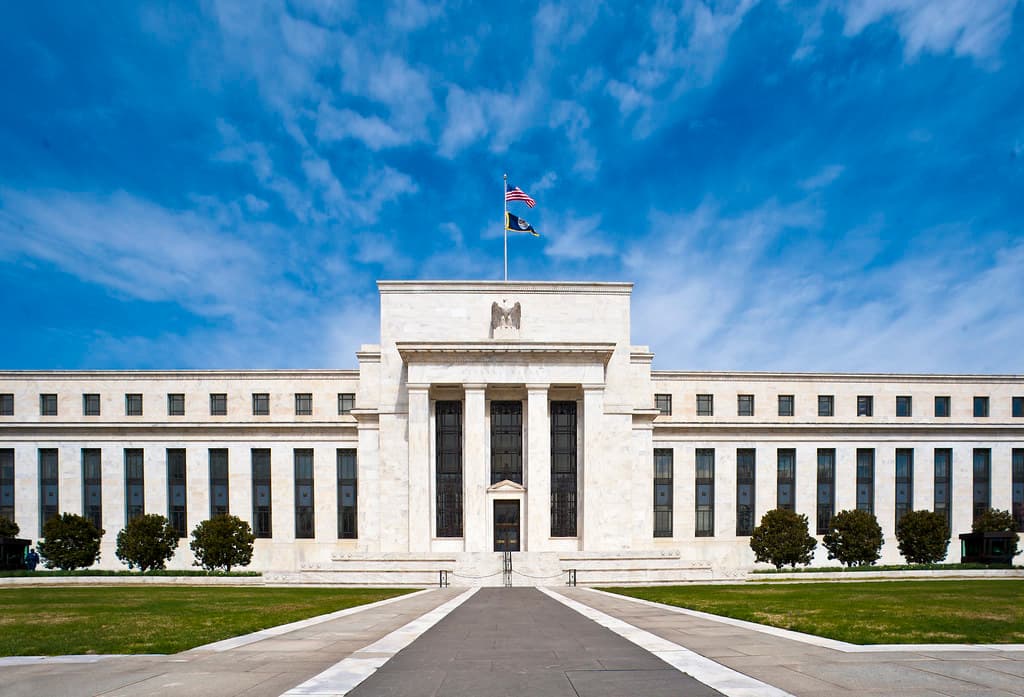
Fed Chair Kevin Warsh, sworn in May 2026, represents a decisive pivot from Jerome Powell's era. His hawkish inflation stance has led to higher interest rates, making speculative, long-duration assets less attractive. Treasury Secretary Scott Bessent's fiscal policies aimed at curbing national debt reinforce this environment. The combined pressure from the Federal Reserve and Treasury creates a macroeconomic headwind forcing repricing across all asset classes.
SEC Chairman Paul Atkins has maintained firm enforcement stance despite the GENIUS Act, signed in 2025, providing a framework for payment stablecoins. The CLARITY Act, defining digital assets as securities or commodities, continues to shape the regulatory landscape. Jensen Huang's upcoming testimony before the Senate Banking panel signals intensifying scrutiny on the technology driving the AI boom.
A newly discovered vulnerability—Bitcoin nodes could be stalled by repeating a single ID 50,000 times—underscores deep interdependencies between AI research and digital asset infrastructure. The bug's discovery by AI itself highlights a future where artificial intelligence could both advance and threaten the stability of digital systems.
Bitcoin's next critical test sits at $50,000; a break below opens the path to $48,000. Nvidia must defend $120; failure there could trigger a retest of 2024 lows. Investors should monitor Warsh's statements on quantitative tightening and Trump's remarks on tech sector foreign investment. The Senate Banking panel hearing with Huang will provide critical regulatory insights.