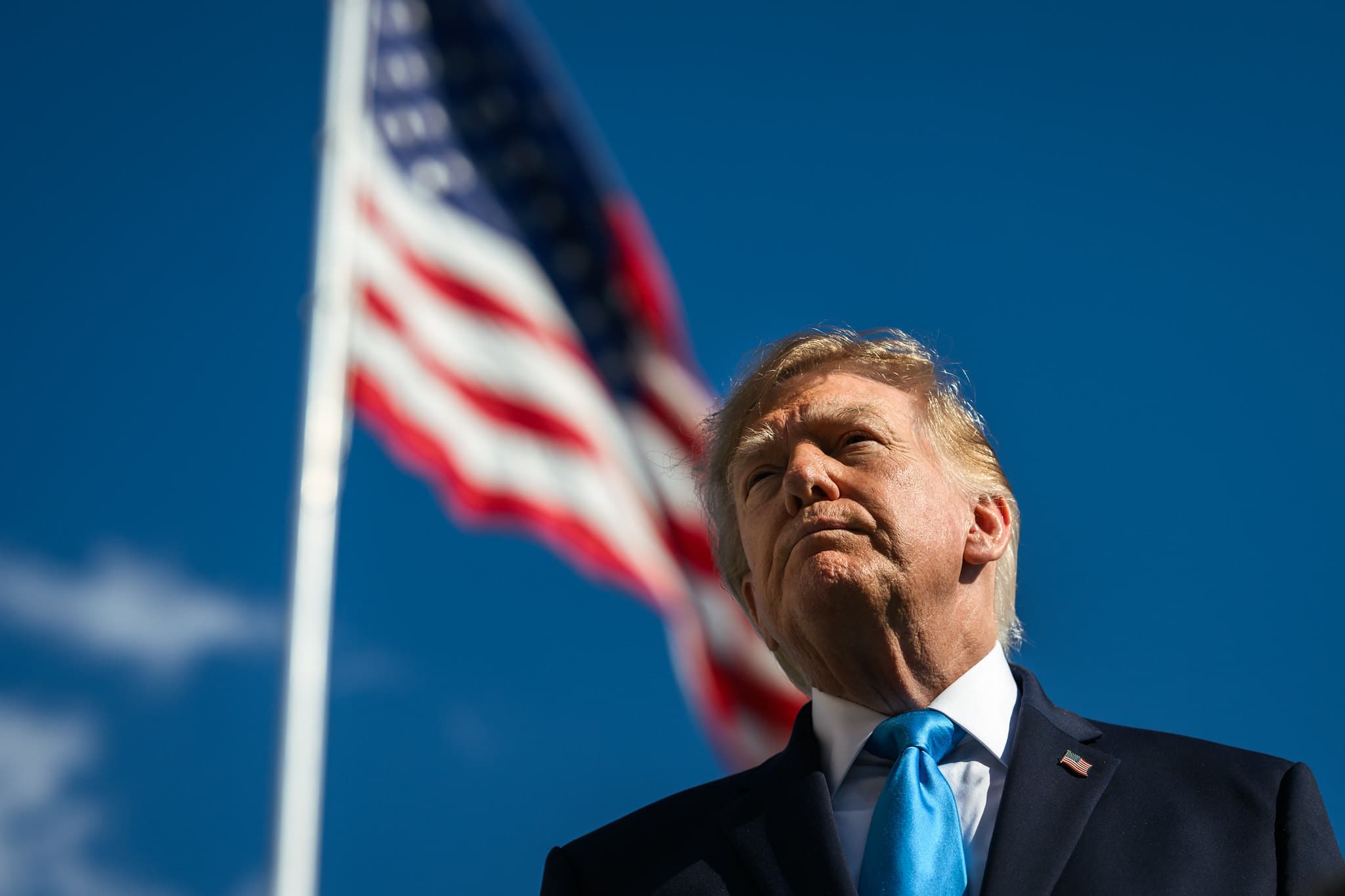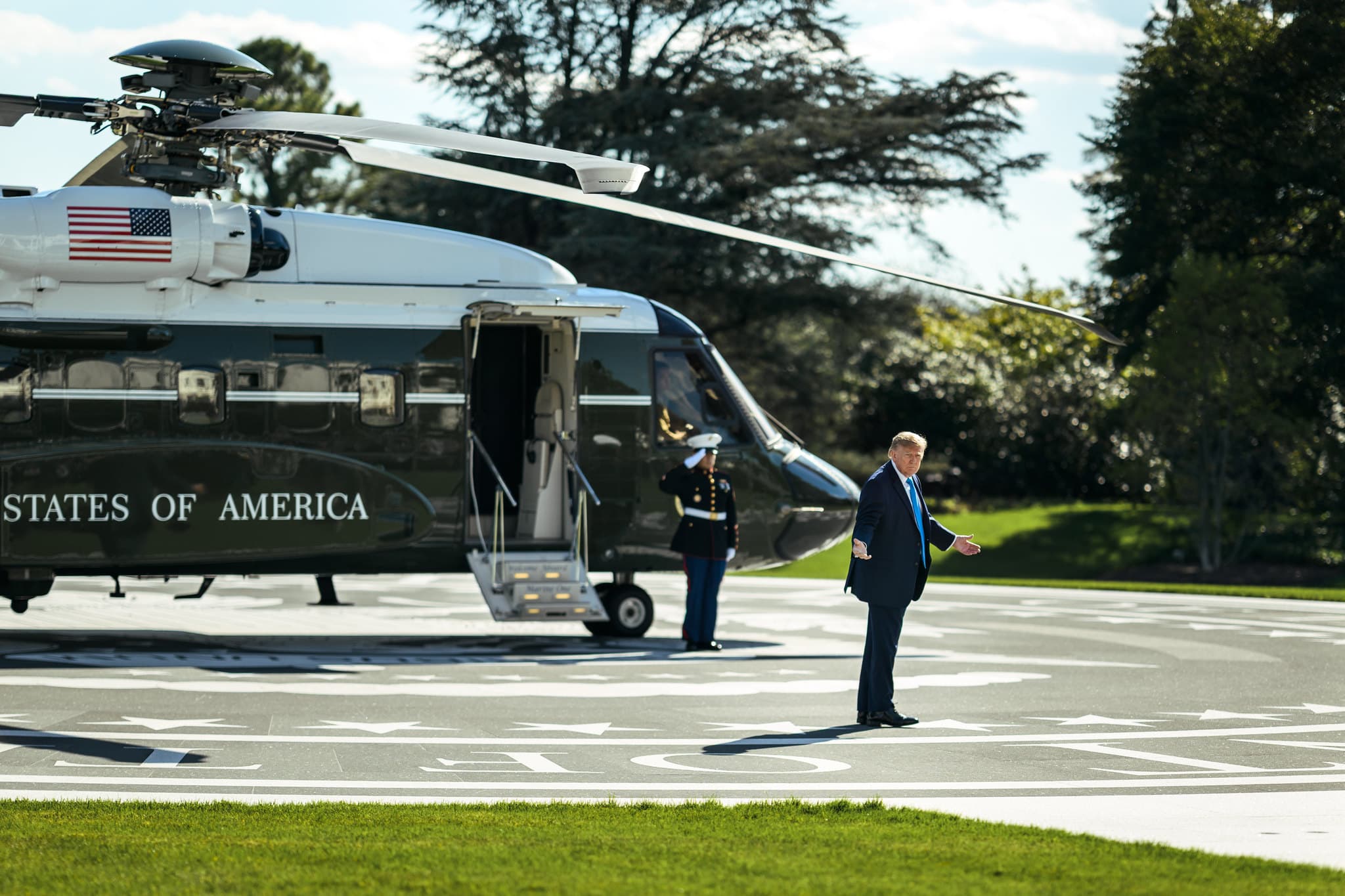
WASHINGTON — House Republicans are staring at a narrowing path to midterm victory. President Donald Trump's approval ratings have slumped, the party's redistricting offensive has misfired, and economic anxiety is pushing voters toward change.
The damage is concrete. Seats once penciled in as safe Republican strongholds are now rated as toss-ups by independent analysts. The party's redistricting campaign, designed to lock in favorable districts before the midterms, failed to deliver. Fewer districts are reliably red, leaving more seats exposed.
Historically, a sitting president's sinking approval ratings predict losses for his party in midterms. Trump's current standing is a millstone for Republican candidates in competitive races across the country.
The economy is the larger weight. Voter anxiety about inflation and jobs is driving a hunger for change—a dynamic that typically benefits the party out of power. Democratic strategists smell blood: seats once written off as unreachable are now in play.
The numbers back it up. Campaign finance reports show Democrats flooding money into districts where GOP redistricting efforts collapsed. Speaker Mike Johnson and other Republicans are hammering economic stability and border security on the trail, but the message is drowning in voter frustration over the broader economic picture.
Control of the House, which seemed locked in Republican hands earlier in the cycle, is now genuinely uncertain. The next two years—and Trump's legislative agenda heading into 2028—hang in the balance.