Global government debt could reach 100 percent of gross domestic product by 2028, a level unseen since World War II, the International Monetary Fund warned this week. IMF chief Kristalina Georgieva said advanced economies, including the United States, are the biggest drivers of the increase and that relying on stronger economic growth alone to ease the burden is unrealistic.
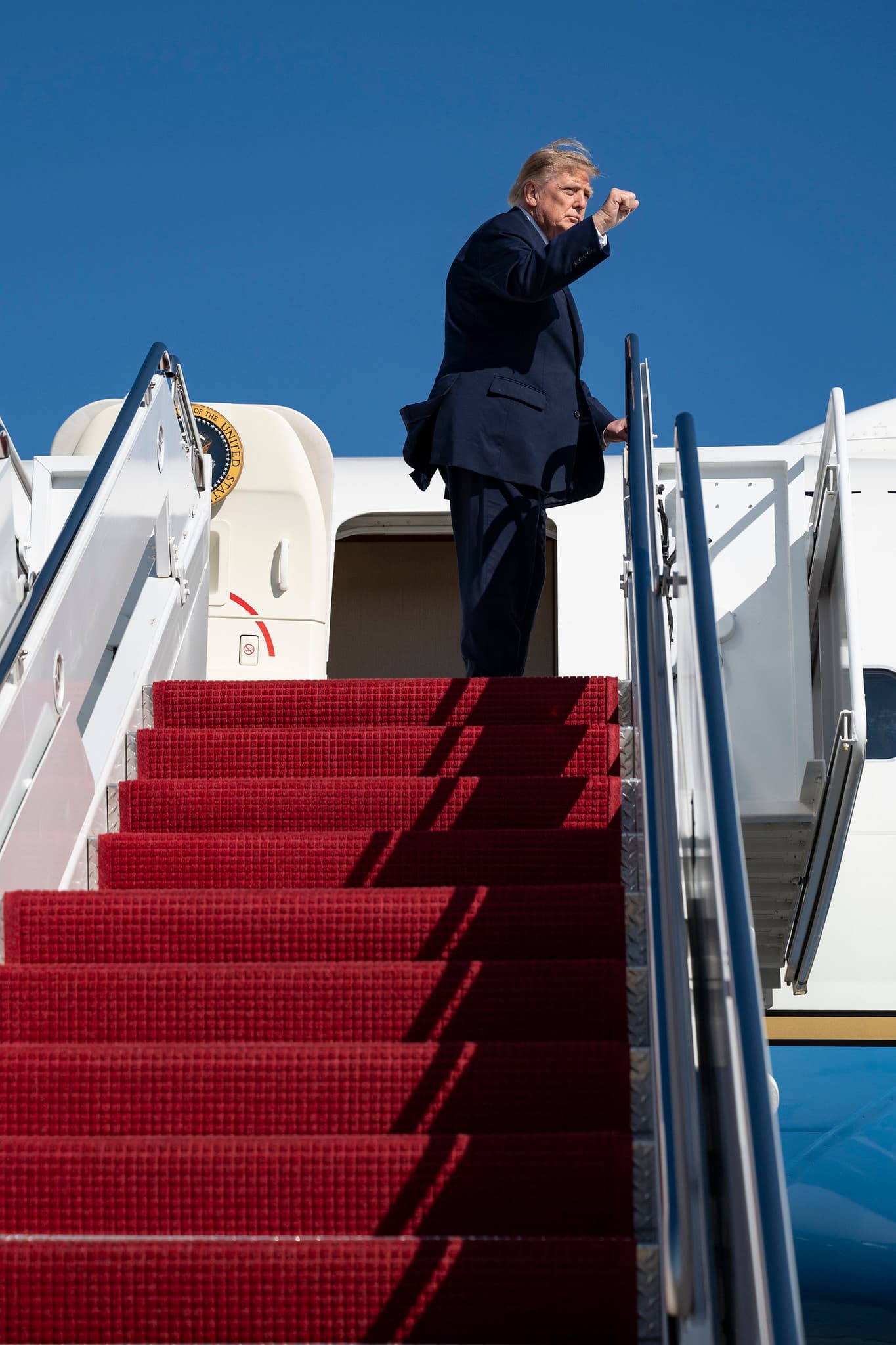
The projection throws down a direct challenge to Trump and Congress. The U.S. national debt already exceeds $35 trillion—a figure that has ballooned under both Republican and Democratic administrations. President Trump and lawmakers are locked in their familiar standoff over federal spending and tax policy, with fiscal negotiations repeatedly derailing over partisan divisions on priorities. The political appetite for meaningful spending cuts or revenue increases remains thin.
High debt levels are already crowding out spending on defense, infrastructure, and social programs. Interest payments on the national debt now consume a growing share of the federal budget, siphoning money from other priorities. The Congressional Budget Office has repeatedly warned that current federal borrowing is on an unsustainable path and poses long-term economic risks.
The IMF's spring meetings in April will focus on global fiscal stability. Treasury Secretary Janet Yellen is expected to outline the administration's fiscal approach. Back on Capitol Hill, Congress will begin its next round of appropriations hearings in coming months, setting the stage for the next round of budget warfare.