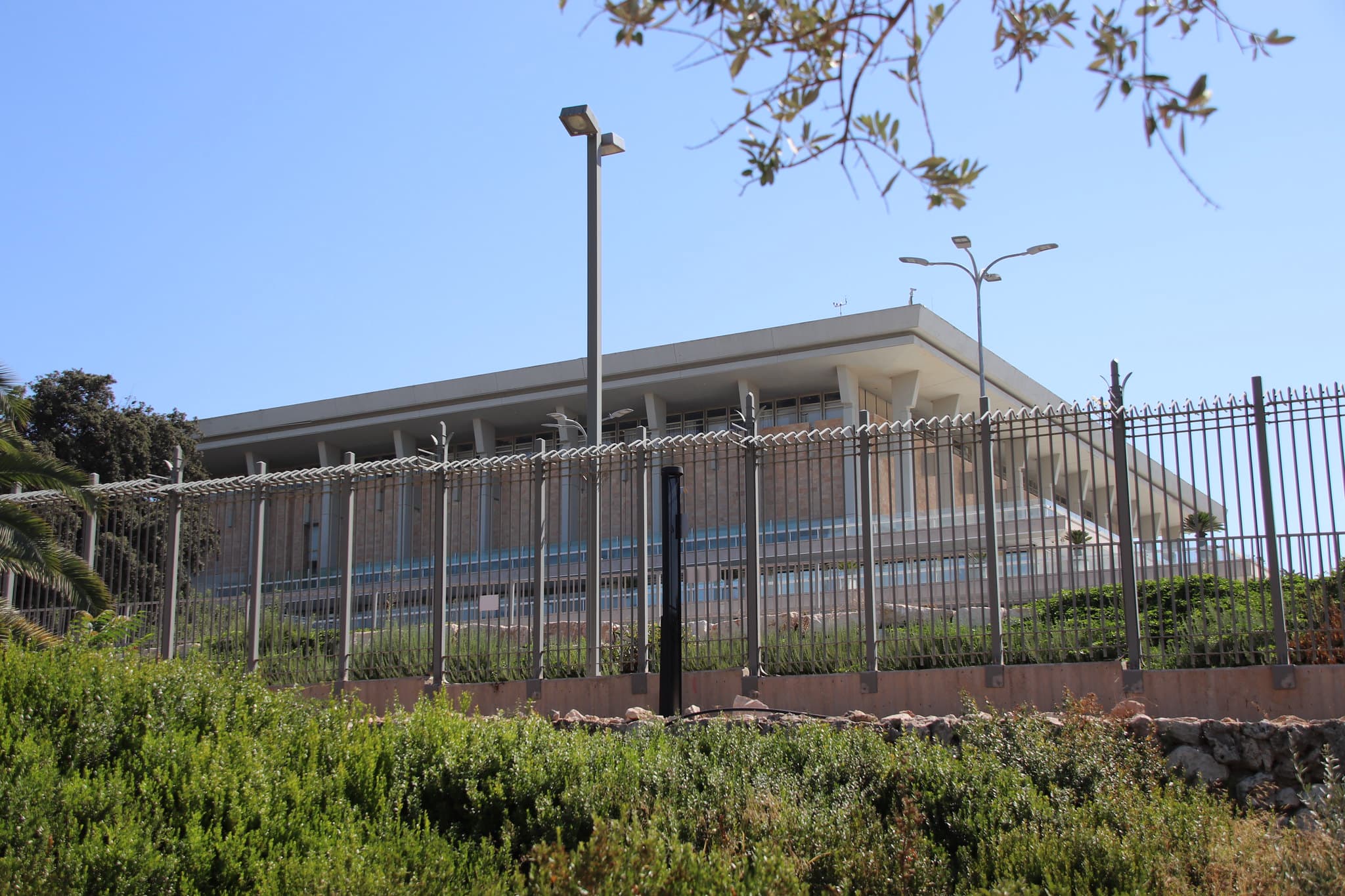
JERUSALEM — Israel faces an election in less than a month, three years after the Hamas attacks of Oct. 7, 2023, and nearly three years of conflict in Gaza, Lebanon and Iran. The political landscape shows deep divisions, with neither leading bloc projected to secure a majority.
Polls over two years indicate that the coalition led by Prime Minister Benjamin Netanyahu will likely fall short of the 61 seats required to form a government. His primary opponent, Gadi Eisenkot, the former chief of staff of the Israel Defense Forces, also lacks a clear path to power.
Eisenkot has ruled out forming a coalition with Palestinian Arab parties, which are projected to secure 12 seats. Netanyahu would need to assemble a different coalition or achieve an unexpected election night victory to remain in office.
The latest Channel 13 poll, published last week, showed Jewish Israeli parties opposing Netanyahu were projected to win 52 seats, while the prime minister's bloc was forecast to take 51 seats. Both fall short of the majority.
Eisenkot's Yashar party led the poll with an estimated 22 seats, while Netanyahu's Likud party was projected to secure 18 seats. The uncertainty surrounding the next government, with both major blocs leaning right, contributes to unease among Israeli citizens.
Public trust in Israeli institutions has declined sharply. The Israel Democracy Institute reported average public trust across eight measured institutions at 34 percent in 2025, down from 61 percent in 2012.
Pessimism is evident in Jerusalem, where tensions between Palestinians in occupied East Jerusalem and right-wing Jewish Israelis have intensified since Oct. 7. Most Palestinians in East Jerusalem cannot vote in Israeli national elections.
The Oct. 7 attack is expected to heavily influence voter decisions. A poll by the Israel Democracy Institute found that 68 percent of Jewish respondents consider Oct. 7 a central factor in how they will cast their ballot.
Recent polling indicates a notable shift among the electorate. A new survey revealed that 75 percent of first-time Israeli voters identify as right-wing, reflecting broader public support for traditional and hard-line security views, including settlement expansion in the West Bank.