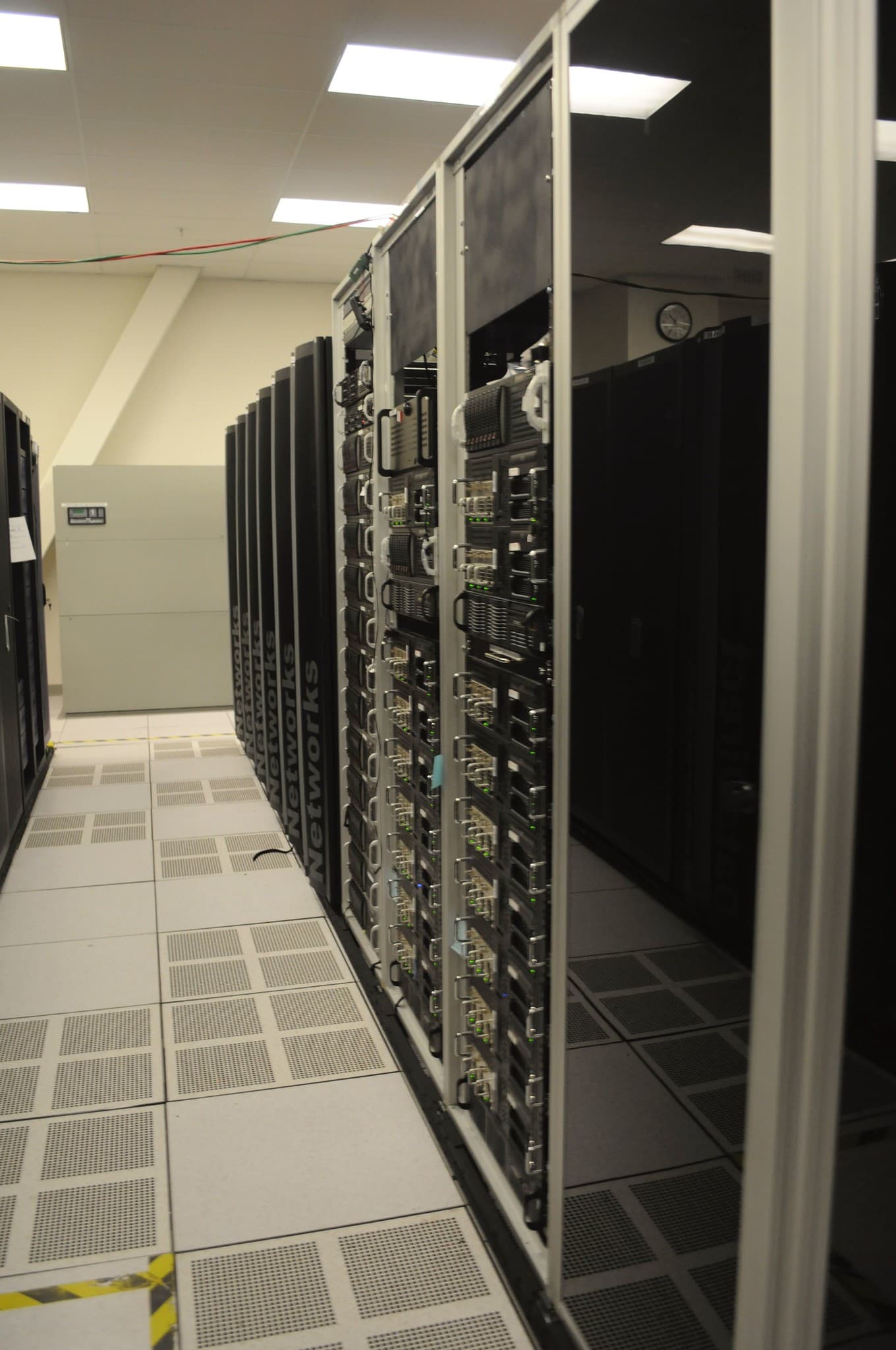
The voracious capital requirements for AI infrastructure are filtering directly into the asset-backed securities market. Equipment-backed securities tied to GPU and server financing are seeing new origination from firms like Stonebriar and Wingspire—a segment traditionally sidelined from serious credit analysis but now central to tech funding mechanics.
Five major hyperscalers are projected to spend approximately $550 billion on capex this year for AI infrastructure. That capital demand translates into equipment loan and lease pools that back these ABS deals, creating collateral of a scale and concentration the market has rarely seen.
The initial flood of capital is compressing spreads in equipment ABS tranches, a classically bullish signal—but the underlying risks are shifting. SpaceX bond weakness signals that fixed-income investors are recalibrating risk premiums upward on capital-intensive AI businesses, demanding higher yields to compensate for duration and eventual supply-demand rebalancing.
Stijn Van Nieuwerburgh, an expert on capital cycles, warned that rapid capital inflows risk oversupply. "Sooner or later, we're going to have oversupply, just like we do in every real estate cycle, and then the prices will collapse," he said. "I don't see why this time is different."
The bond market's task is pricing both the growth impulse and the structural risk: equipment capex that outpaces actual demand creates duration risk for holders of longer-dated ABS. Spread compression today could mask the credit deterioration embedded in tomorrow's collateral performance. Fixed-income participants are already signaling they see the problem—and they are demanding compensation for waiting.