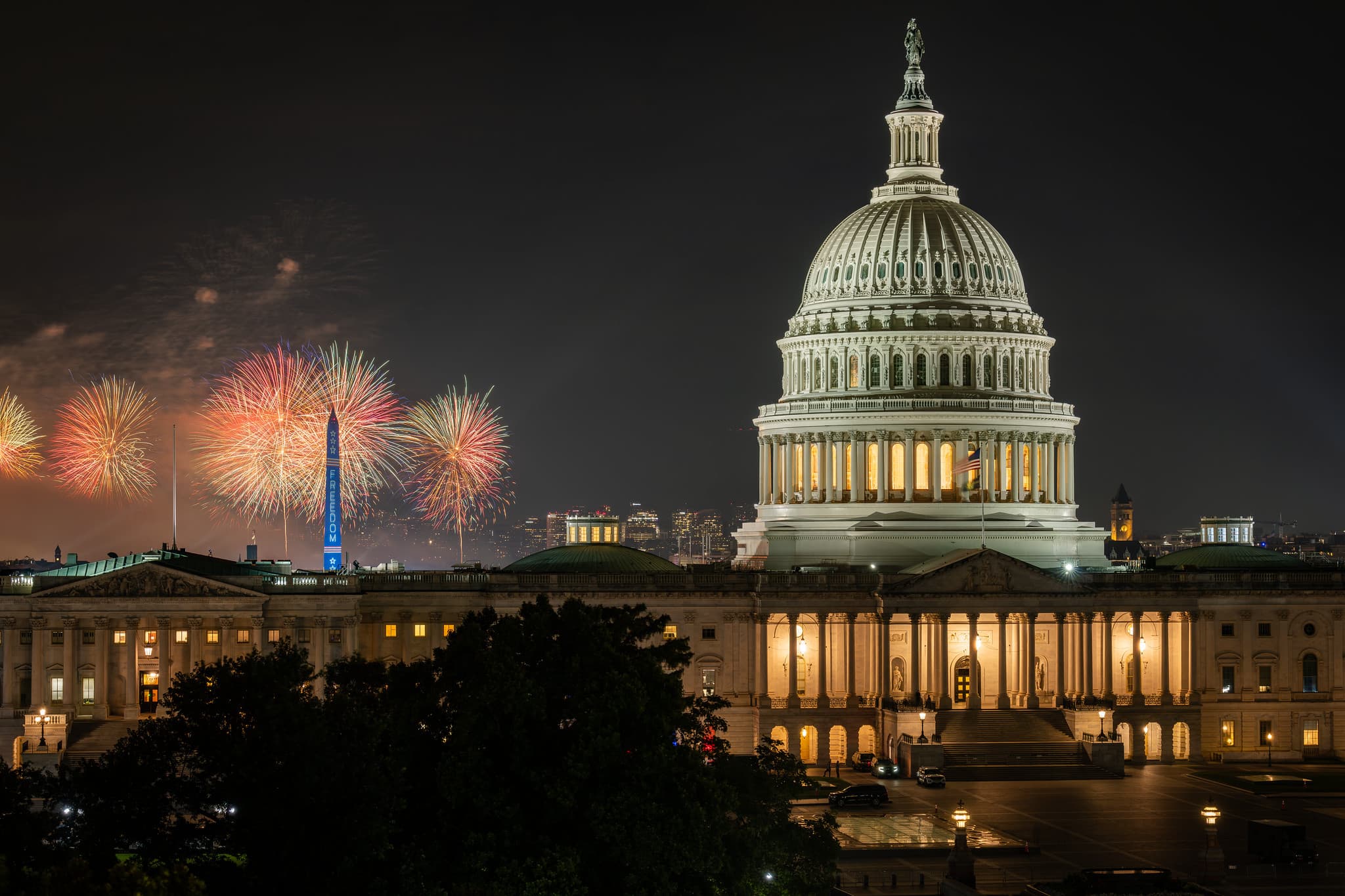
WASHINGTON — Senate Republicans are grappling with a decision: whether to adjourn until after the Nov. 3 elections or remain in Washington for a final legislative push. The choice falls largely on Majority Leader John Thune (R-SD), who must balance campaign needs against legislative achievements.
Congressional Republicans say they have few accomplishments to highlight for voters. They cite higher gas prices, exacerbated by the Iran war, and affordability issues dragging down their electoral prospects.
Floor time in the Senate is scarce ahead of the recess. Currently, the chamber is focused on nominee confirmations and a bipartisan college sports bill designed to establish payment standards for athletes. Republicans warn these priorities present poor optics to voters, shifting focus from economic concerns.
Senators Jon Husted (R-OH) and Susan Collins (R-ME), both identified as vulnerable incumbents in toss-up reelection races, are pushing for action on specific economic bills. Thune acknowledged the urgency, calling Collins’ proposal for a $35 monthly cap on out-of-pocket insulin costs a “compelling argument.”
Thune also described Husted’s bill, aimed at protecting households from rising energy costs tied to data centers, as “very worthwhile.” He said there was “considerable interest in having a vote” on the measure. The House overwhelmingly passed Husted’s bill last week with a vote of 417-3.
However, Senate Democrats blocked Husted's bill from unanimous consent, citing concerns over its lack of enforcement mechanisms. Thune emphasized the bill’s relevance, saying, “It strikes at the very heart of the issue that a lot of people are talking about right now, which is affordability.”
While the Senate is officially scheduled to remain in session through next week, a recess could commence as early as this week. The House of Representatives already departed last week and will not return until after the Nov. 3 elections.
Thune indicated that the Senate’s scheduling uncertainty partly depends on Democrats reaching an agreement with GOP negotiators on a permitting package for new energy projects. Advancing such a deal, or holding procedural votes on the Husted and Collins proposals, would necessitate keeping the Senate in session beyond this week.
Collins confirmed she is “encouraging” leadership to schedule a vote on her insulin legislation. Husted also told reporters he is advocating for his energy cost measure. Collins conceded that “a lot of people are pitching bills and waiting to hear” about the Senate’s path forward.
Senate Majority Whip John Barrasso (R-WY), the chamber's No. 2 Republican, has previously said that his party needs to “do more” on the economy as the elections approach. Barrasso skipped a state election convention speech to focus on election efforts, where House Speaker Mike Johnson (R-LA) and National Republican Senatorial Committee Chairman Tim Scott (R-SC) were among the speakers.
Thune has also been engaged on artificial intelligence issues, advocating for a “light touch” on industry regulation last week, despite acknowledging “considerable interest” among lawmakers in taking action. This aligns with Republican efforts to address voter concerns ahead of November.