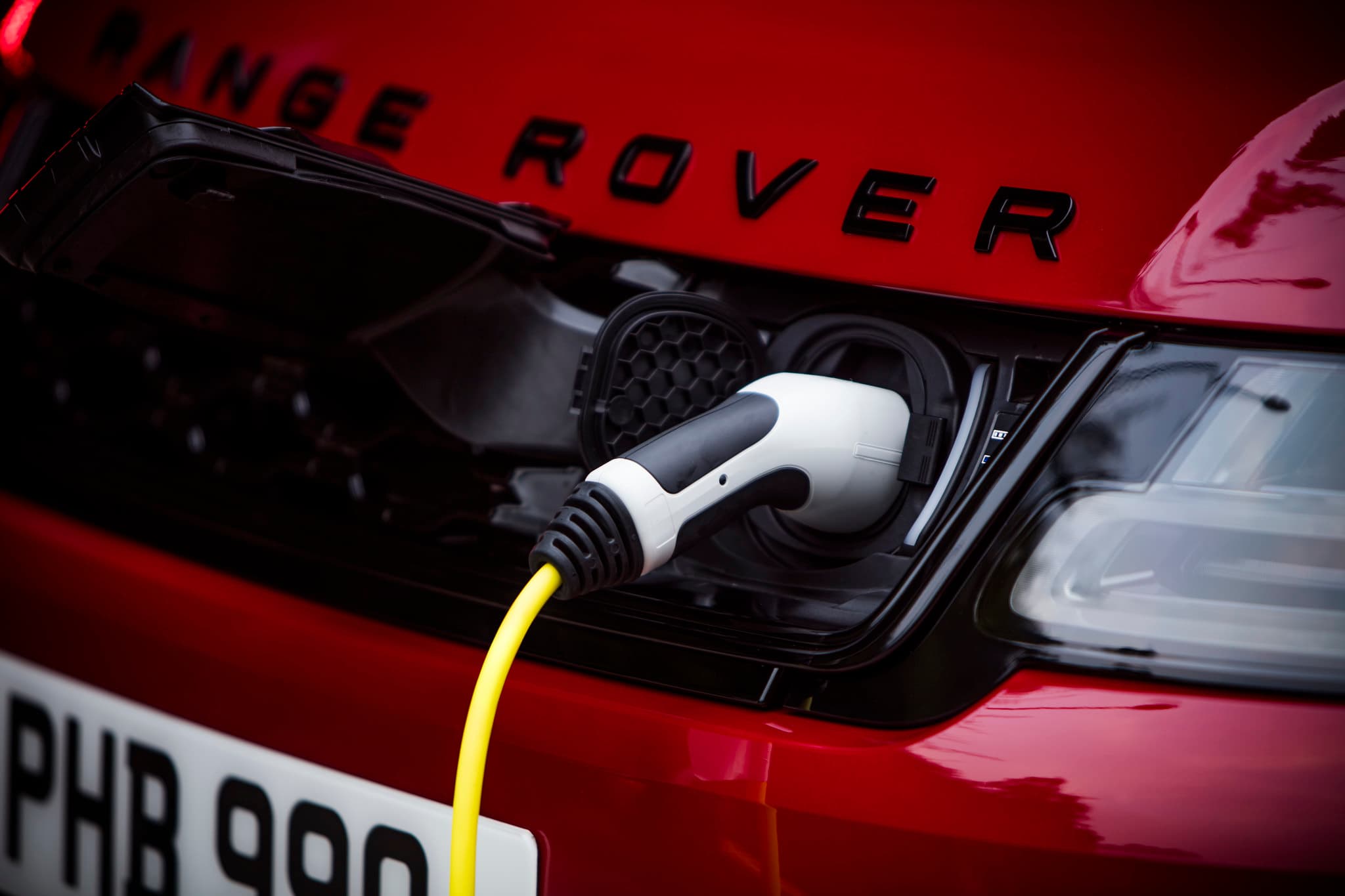
JLR introduced the Range Rover Sport Electric, a performance SUV designed to appeal to a broader market segment at a lower price point than the flagship Range Rover Electric. This launch follows JLR's announcement earlier this month to cut 4,000 jobs over the next two years, making the Sport Electric a crucial product for the automaker.
The Sport Electric shares its powertrain with the full-size Range Rover Electric, featuring two 260-kilowatt motors that deliver up to 550 pferdestärke and 850 Newton-meters of torque. This output represents more torque than any previous Range Rover Sport model. The vehicle can accelerate from standstill to 60 miles per hour in 4.3 seconds when utilizing its Dynamic Launch Mode.
A key performance differentiator is its torque response, which is 50 percent faster than the larger Range Rover Electric. JLR engineers also designed the Sport Electric with the stiffest body and lowest center of gravity among all Range Rover Sport variants, a benefit of its battery placement.
The electric SUV carries a 118.5-kilowatt-hour battery, providing an estimated range of up to 374 miles under the WLTP standard, translating to approximately 320 miles under EPA testing. Its 800-volt architecture and split-charging technology allow for rapid recharging, adding 136 miles of range in 10 minutes under ideal conditions and charging from 10 to 80 percent in 22 minutes.
For dynamic handling and off-road capability, the Sport Electric integrates all-wheel steering and electronic Active Roll Control. The Active Roll Control system can apply up to 1,400 Newton-meters of force across each axle to maintain vehicle composure. An adaptive dynamics system continuously monitors 100 parameters 500 times per second to control body roll and pitch during cornering or braking. The vehicle can also wade through 900 millimeters of water and climb 45-degree inclines.
The Range Rover Sport Electric starts at £109,810 in the UK; U.S. pricing has not been released. This positions it against competitors such as the Porsche Cayenne Electric, BMW iX xDrive60, and Lotus Eletre 600. The Porsche Cayenne Electric starts approximately £20,000 cheaper than the Sport.
JLR's strategic emphasis on the Sport Electric is significant given its sales history. Range Rover Sport sales frequently match or exceed those of the flagship Range Rover, partly due to its more accessible price point. The new electric variant aims to capitalize on this market dynamic.
JLR plans to continue producing plug-in hybrid electric, gasoline, and diesel versions of the Range Rover Sport. This multi-powertrain strategy aims to address varied market demands during the transition to electric vehicles. Minor aerodynamic enhancements, including an optimized grille and alloy wheels, contribute up to 10 additional miles of range at motorway speeds.


