Autonomous vehicle developers are diverging sharply on how to reach commercial viability, choosing between licensing existing technology to automakers and concentrating robotaxi or truck fleets in narrow geographies.
Wayve is pursuing a licensing-first model. The startup secured a deal with Mercedes-Benz to integrate its Level 2 driving technology into at least one car model within two years. Level 2 systems require human oversight for certain maneuvers but generate recurring revenue and establish OEM relationships. Wayve has replicated this model with Nissan and Stellantis, using Level 2 partnerships as customer acquisition for its fully driverless offerings. The company also launched a robotaxi joint venture with Nissan and Uber in Tokyo earlier this year, using OEM partnerships as a wedge into new markets.
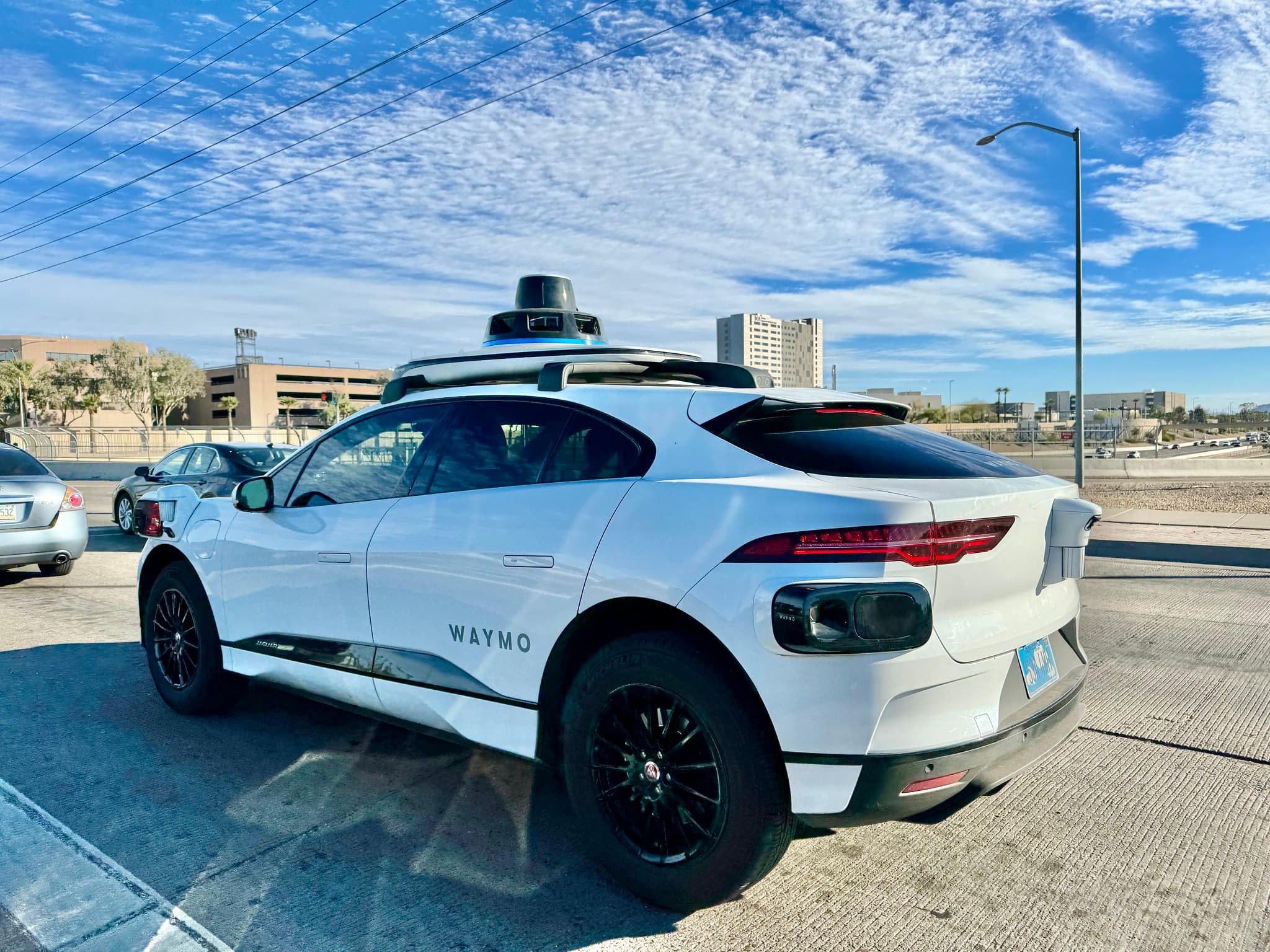
Waymo and Aurora have chosen geographic concentration instead. Waymo operates roughly 4,000 robotaxis, with 80 percent deployed in California and Texas. Over the past three weeks, its Texas fleet expanded 49 percent—growth within a single state rather than geographic diversification. The company is also pushing into new demographics, including teenagers, to increase ride volume in existing zones rather than enter new markets.
Aurora, which focuses on self-driving trucks, employs a hybrid approach: concentrated operations in Texas paired with a broad partnership network. CEO Chris Urmson said the company has "emerged from the building stage" and plans to deploy more than 200 driverless trucks by year-end. The company projects over 30,000 trucks in operation by 2030—a bet that freight margins and utilization rates in existing corridors will drive returns before geographic expansion becomes necessary.
The strategies reflect different capital models. Licensing Level 2 to automakers generates near-term licensing fees and reduces the cost of proving reliability at scale. Concentrated fleets allow companies to optimize operations and margins in single markets before expanding—a higher-risk, higher-return approach that delays revenue but allows faster capital efficiency per truck or robotaxi deployed.