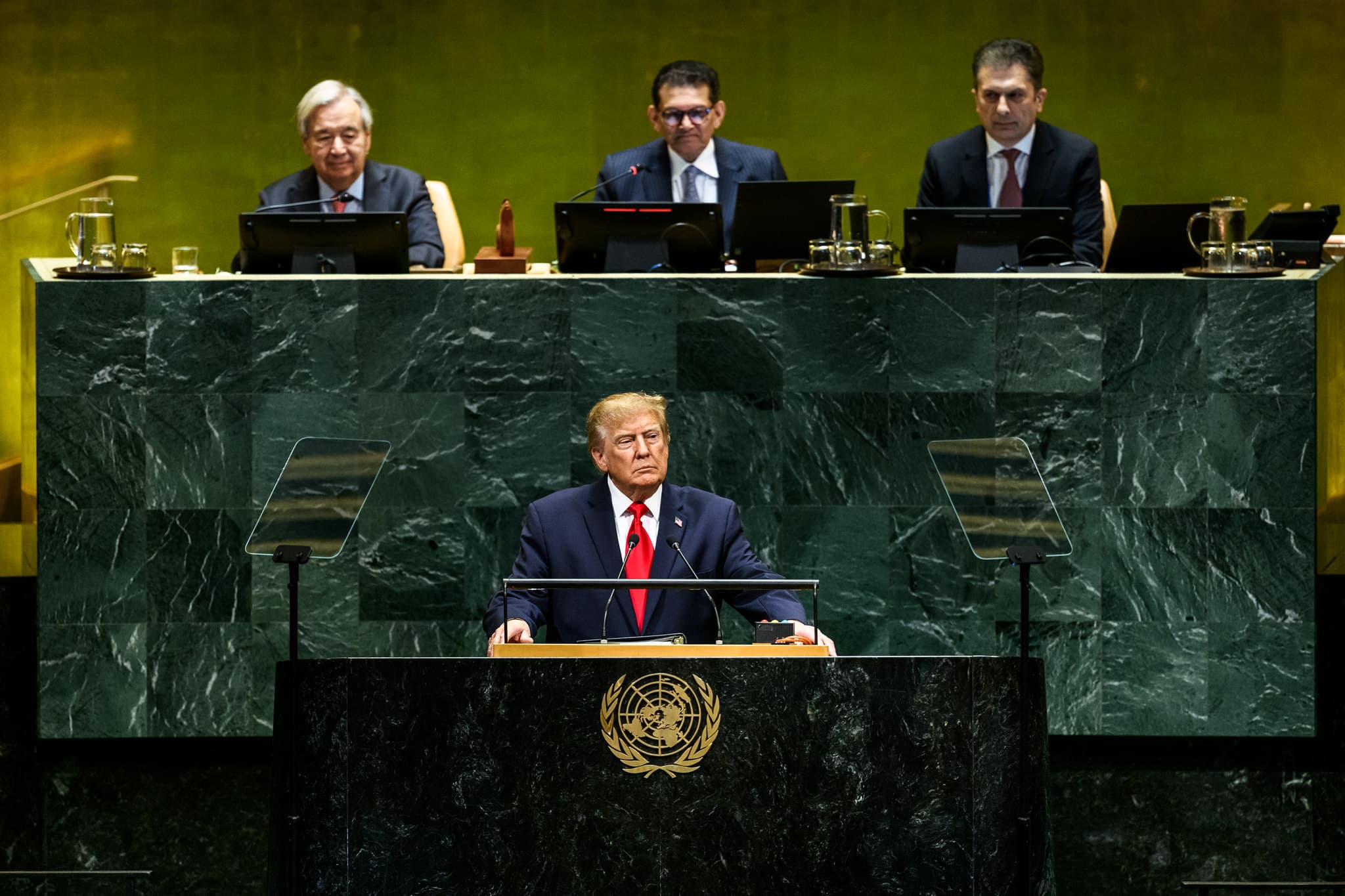
President Trump rejected Iran's proposal to reopen the Strait of Hormuz and halt regional fighting within seven days, signaling continued geopolitical tension that supports crude oil risk premiums. U.S. energy majors ExxonMobil and Chevron stand to benefit from sustained uncertainty in Middle East supply routes.
Iran presented the plan through Qatari mediators. Trump acknowledged Iran wants a deal due to mounting economic pressure but left the door open to further negotiations. This posture suggests a protracted period of diplomatic tension, maintaining a floor under energy prices as traders price in potential supply disruptions.
The Strait of Hormuz is critical infrastructure for global energy markets. Roughly one-fifth of the world's petroleum consumption transits the waterway daily. Any threat to this shipping lane increases tanker insurance costs and crude volatility. For integrated oil companies, this environment strengthens upstream economics and supports future earnings.
The S&P 500 gained 0.5 percent to 7,743 and the Dow Jones Industrial Average rose 0.9 percent to 51,829. The muted reaction suggests investors view regional friction as a sector-specific catalyst for energy rather than a systemic risk.
U.S. defense contractors including Lockheed Martin and Raytheon Technologies could also benefit from sustained regional instability. Monitor White House statements and Qatari mediation attempts for signals on negotiation timing and duration of the energy premium.


