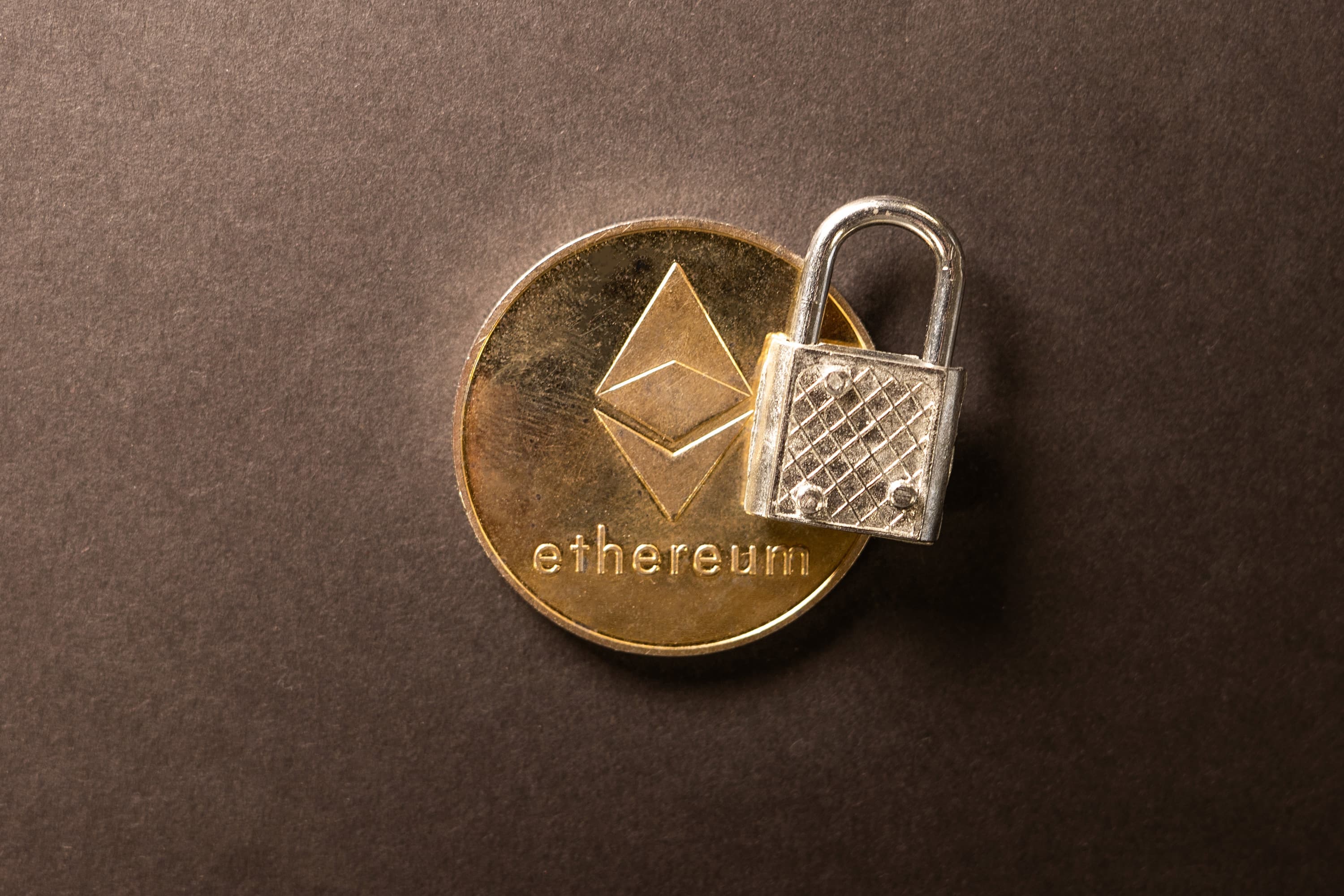
Ethereum, by design, prioritizes decentralization and security. This comes at a cost: throughput. When network activity surges, gas prices spike dramatically, making everyday transactions impractical and pushing users away. This bottleneck limits DeFi, gaming, and enterprise solutions. It is a real obstacle to wider Web3 adoption.
Polygon exists to solve this. It operates as an Ethereum Layer 2 scaling solution, processing transactions on a separate, Ethereum-compatible blockchain instead of the congested mainnet. It batches transactions, processes them with greater speed and lower cost using its own consensus mechanism, then submits a proof back to Ethereum for finality. This offloading reduces network congestion while maintaining security guarantees.
Polygon 2.0, launched in 2026, boosted Polygon PoS to a reported 5,000 transactions per second and laid groundwork for a unified ecosystem of ZK-powered chains. POL, the network's native token, powers these ZK chains through a native re-staking protocol.
POL has largely superseded the legacy MATIC token, with approximately 99 percent of MATIC migrated. As an ERC-20 token, POL serves as the native gas token for transaction fees across the Polygon network. More critically, POL is the staking token for network validators, who secure the chain by locking up POL and earning rewards. This aligns incentives—validators have a vested interest in network health and security.
The token migration and governance overhaul, which began in 2024, are part of Polygon's strategy to enhance functionality and create a more sustainable, deflationary ecosystem. The upcoming permissionless burn of 100 million POL tokens is designed to reduce supply and potentially strengthen the token's long-term value by making it more scarce, while also incentivizing continued staking.
Polygon has established itself as one of the most widely adopted Layer 2 solutions. Its cost-effective and swift transaction environment has attracted decentralized applications across DeFi, NFT marketplaces, and gaming platforms. Polygon has become a go-to platform for projects seeking Ethereum's security and developer tooling without mainnet constraints.
But genuine risks exist. The Layer 2 landscape is intensely competitive, with numerous projects vying for market share. While Polygon has deployed security-focused hard forks including Austin and Kyoto in 2026, the inherent complexity of scaling solutions means vulnerabilities can emerge. Any major security breach or critical bug could severely undermine user trust and network value. Polygon benefits from Ethereum's security but also inherits its dependencies; changes on the mainnet can have ripple effects. There are also ongoing discussions around decentralization within various Polygon components, a common challenge for scaling solutions that must balance performance with distributed control.
Polygon represents a serious, enduring effort to solve blockchain's most pressing challenge: scalability. Its evolution from MATIC to POL, the launch of Polygon 2.0, and continuous technical improvements demonstrate commitment to innovation. The upcoming POL token burn and its role in powering ZK chains via re-staking highlight a strategic move toward a more robust, unified ecosystem. Polygon has proven its utility by attracting significant adoption and offering a viable path for dApps to thrive beyond Ethereum's mainnet constraints. It operates in a dynamic, competitive environment where technical excellence and continuous security vigilance are paramount.


