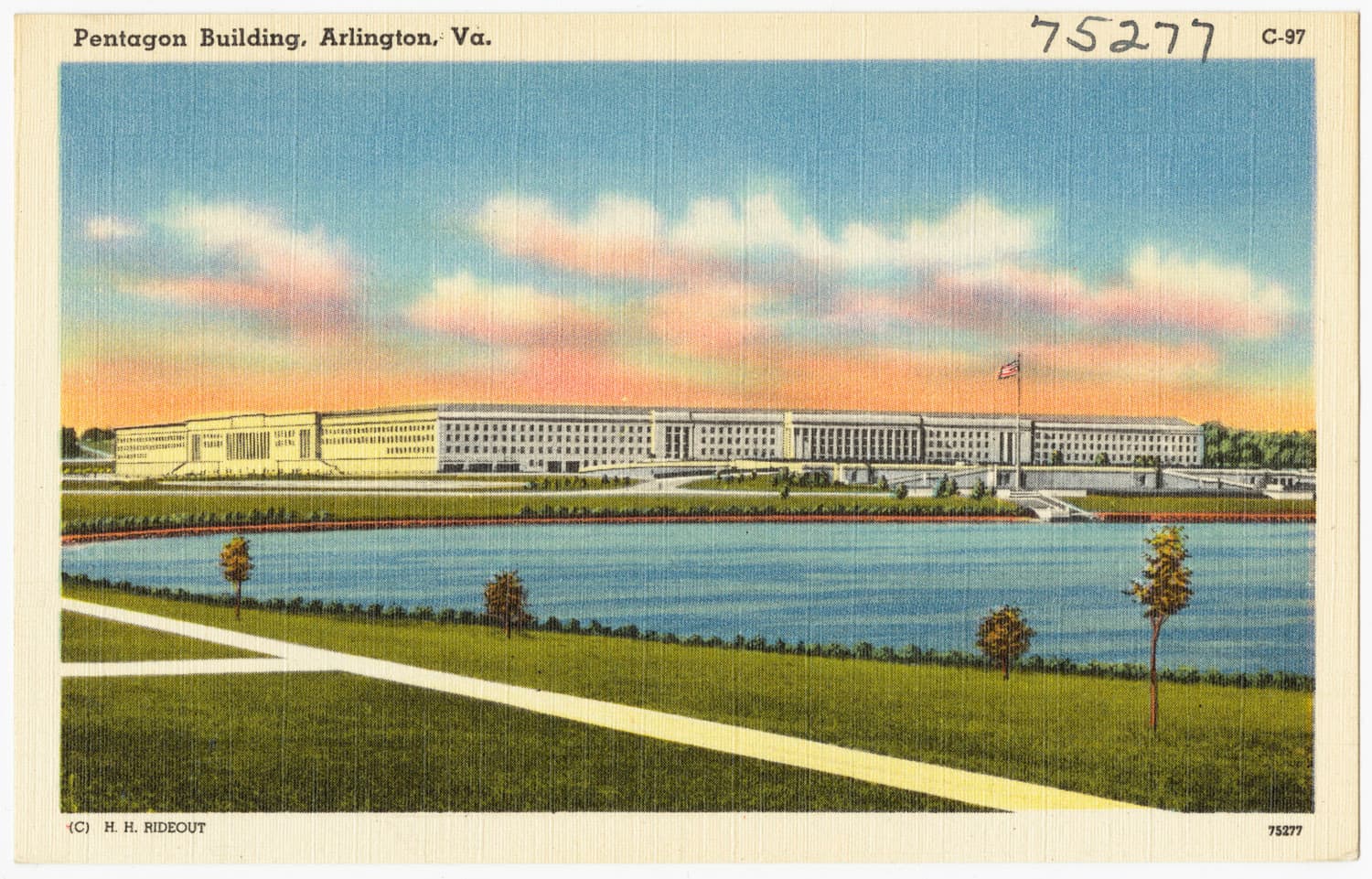
WASHINGTON — The Department of Defense has tallied the financial cost of the Iran war at $33.4 billion, accounting for direct military spending, reconstruction, and support operations for allied forces in the region.
The assessment documents widespread physical damage to U.S. military assets. Hundreds of buildings and aircraft sustained damage during the conflict, with some requiring extensive repairs or replacement. Vital infrastructure at forward operating bases across the region and tactical aircraft were hit hard, disrupting operational capabilities and deployment schedules. Support vehicles and communications equipment were also damaged.
More significantly, the war exposed critical weapon shortfalls across the armed forces. Accelerated usage of precision-guided munitions and advanced defense systems depleted stockpiles, particularly air-to-ground missiles and anti-air defenses. Procurement delays worsened the problem, leaving some units with limited reserves for key platforms and creating manufacturing backlogs.
Representative Michael Turner, chairman of the House Armed Services Committee, called for a comprehensive review of military procurement and logistics, saying the shortfalls reflect strategic planning failures. "We must address this swiftly to protect national security and ensure troop safety," Turner said. Senator Jack Reed, chairman of the Senate Armed Services Committee, expressed concern about the long-term impact on military modernization and global power projection.
Defense Secretary Lloyd Austin is scheduled to testify before the Senate Appropriations Committee next Tuesday, where he will face questions on the war's costs, military readiness, and solutions for the shortfalls. The assessment is expected to shape upcoming Congressional budget negotiations on defense appropriations and foreign aid.


