
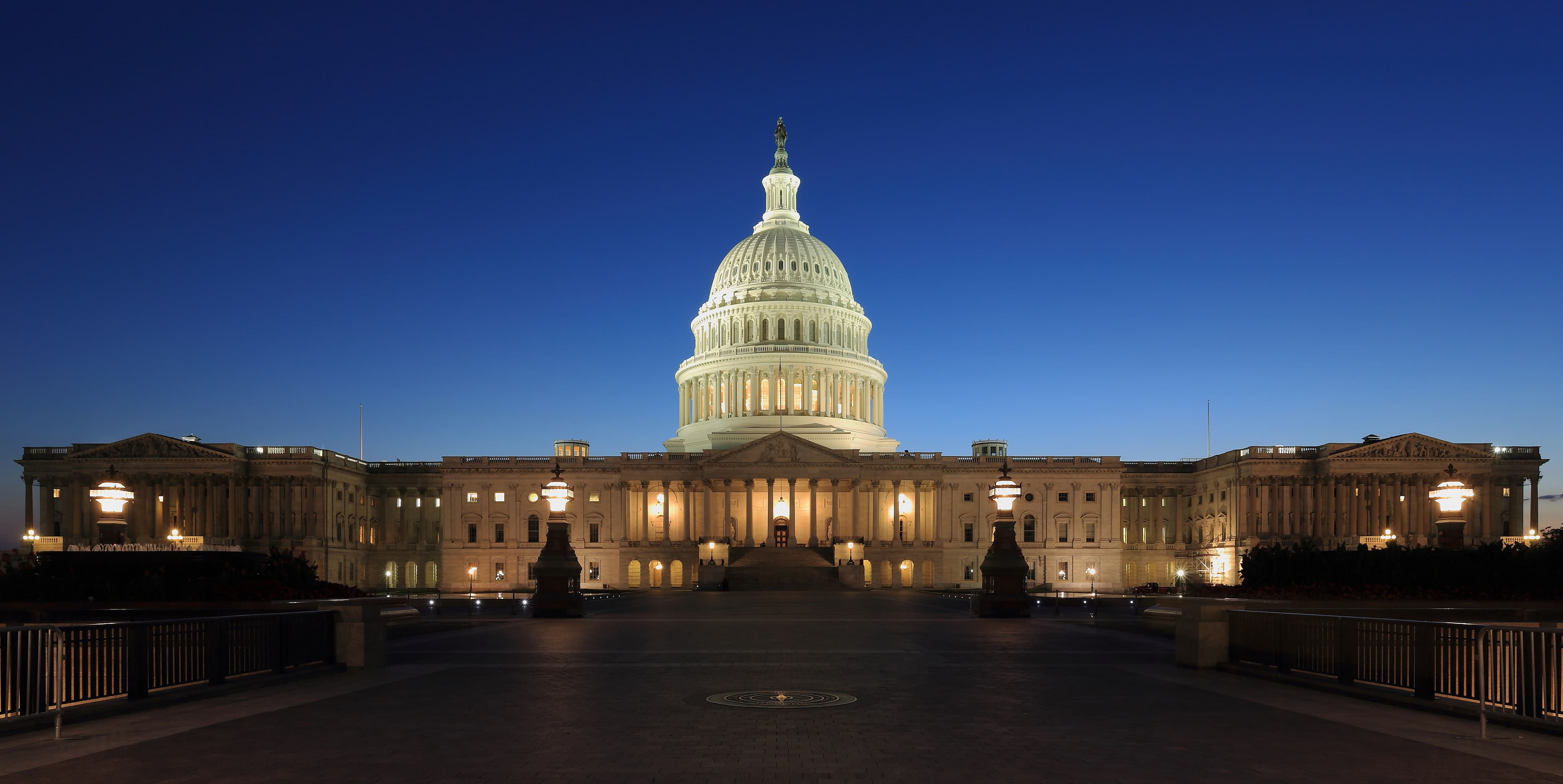
Yesterday I wrote that the Senate had a choice: pass it or own it. They chose. More than forty senators looked at the most negotiated, most bipartisan piece of financial legislation in years and killed it. So let's talk about who owns this.
But first I need to explain what actually happened, because I think most people, including some people who get paid to cover this, don't understand what Tuesday's vote was. The Senate did not vote on the CLARITY Act. Read that again. The 2:15 vote was something called cloture on the motion to proceed. In plain English: a vote on whether the Senate is allowed to start debating the bill. That's it. That's all it was. A yes vote wouldn't have made anything law. It would have opened the floor. Debate, amendments, changes, then a separate vote on actual passage, then back to the House. Every senator who claimed the bill needs work was voting on whether to enter the room where the work gets done.
They voted to keep the room locked. The official count: 49 to 50. Sixty votes to open a door, and they couldn't even find a majority.
Think about what that means. If you have real problems with a bill, the debate is where you fix them. You offer your amendment. You make your case on the floor, on camera, on the record. You force your colleagues to vote on your fix. That's the job. That is literally the job. Voting no on cloture isn't opposition. It's refusal to show up. It's a senator saying: I don't want to fix this bill, I want it to not exist, and I don't want my fingerprints on an amendment vote either.
And who owns it? The official roll call posted Tuesday afternoon, and it's worse than anyone expected. Not one Democrat voted yes. Not one. All forty-four Democrats present voted no, and both independents with them. That includes the seven who spent months at the negotiating table and then put out a joint statement, on their own Senate letterhead, opposing the final text they helped shape: Mark Warner. Cory Booker. John Hickenlooper. Raphael Warnock. Catherine Cortez Masto. Angela Alsobrooks. Ruben Gallego, whose own ethics framework is sitting inside the bill he voted against debating. It includes Kirsten Gillibrand, and I have to be honest about this one, because yesterday I credited her as a champion who spent years proving you could be a Democrat and still want functioning rules for digital assets. She voted no. On letting her own framework be debated. And it includes Ed Markey of Massachusetts, on the record, seven weeks before Election Day. Four Republicans crossed the other way and voted no too: Susan Collins, Josh Hawley, Jerry Moran, and Thom Tillis. Fine. Their names are on the same permanent record. But a party-line wall against opening debate on a bill carrying 126 of your own party's changes is not a policy position. It's an instruction from leadership, and every single one of them followed it.
Here's what makes this indefensible instead of just disappointing. The people who opposed this are the same people whose demands are sitting inside the bill. The final text carried 126 changes made at Democrats' request. The ethics framework aimed at politicians profiting off crypto, including the Trump family, enforceable by fifty state attorneys general so no president of either party can wave it away, that was their framework, adopted nearly whole. The community-bank protections, theirs. The sunset clause they hated, gone. The House passed this framework 294 to 134 with 78 Democrats on board. The other side named their price, the negotiators paid it, and then the same senators wouldn't vote to let the Senate discuss the result.
Now here's the part that should bother you even if you've never owned a single coin.
This country has been telling the world it's going to be the crypto capital of the planet. You've heard it from the White House. You've heard it from half of Congress. Let me tell you how you actually become the capital of an industry: you write rules. That's the entire trick. The UK has a framework. Europe has MiCA. The Emirates and Singapore hand out licenses with actual rulebooks attached while American founders get subpoenas and guessing games. Capital doesn't follow slogans. It follows legal certainty. And on Tuesday the United States Senate announced, on the record, that it cannot produce legal certainty even when the House passes it with both parties, even when the minority gets 126 of its own edits, even when the industry is begging for rules. Not favors. Rules.
You don't become the crypto capital of the world with a Senate that won't open debate. You become the place the capital used to be.
And that's the bigger thing I want to say, because this stopped being about crypto somewhere along the way. This is what a broken institution looks like. A bill with majority support in both chambers, negotiated across party lines for over a year, amended 126 times to meet the minority's demands, could not get permission to be debated. Not passed. Debated. If Congress can't process this bill, the easiest bipartisan layup on its desk, what exactly can it process? The government lurches between shutdowns over math everyone saw coming. Confirmations take years. And the one growth industry practically kicking the door down asking to be regulated gets told the room is closed. Congress isn't failing crypto. Crypto is just Tuesday's example. It's failing the American people, and it's been failing them long enough that half the country has stopped expecting anything else. I haven't. That's why I'm writing this instead of shrugging.
So here's what happens now, and I said it yesterday and I'll keep saying it until November. Crypto holders are voters. Tens of millions of us, in every single state. Three of the seven who walked away are on the ballot in seven weeks: Cory Booker in New Jersey. Mark Warner in Virginia. John Hickenlooper in Colorado. And Massachusetts, you get the clearest look of all. Ed Markey has spent years lining up with Elizabeth Warren's crackdown on this industry, and now his no vote is on the permanent record, seven weeks before his name sits on a ballot across from John Deaton, the man who fought the SEC for 75,000 XRP holders before he ever ran for anything.
Screenshot the roll call. It's public. It's permanent. Every senator who voted no on Tuesday made a bet that you won't remember in November. The entire business model of a broken Congress is your short memory.
Cynthia Lummis says the next real window might not come until 2030. I hope she's wrong. But if she's right, remember that the wait wasn't because the votes weren't there or the work wasn't done. The work was done. The votes existed for everything except the courage to debate in public.
They didn't just kill a bill on Tuesday. They showed you exactly what they think of your vote.
Prove them wrong in seven weeks.
Updated after publication with the official Senate roll call: Vote No. 234, September 15, 2026, cloture on the motion to proceed to H.R. 3633, rejected 49 to 50.


