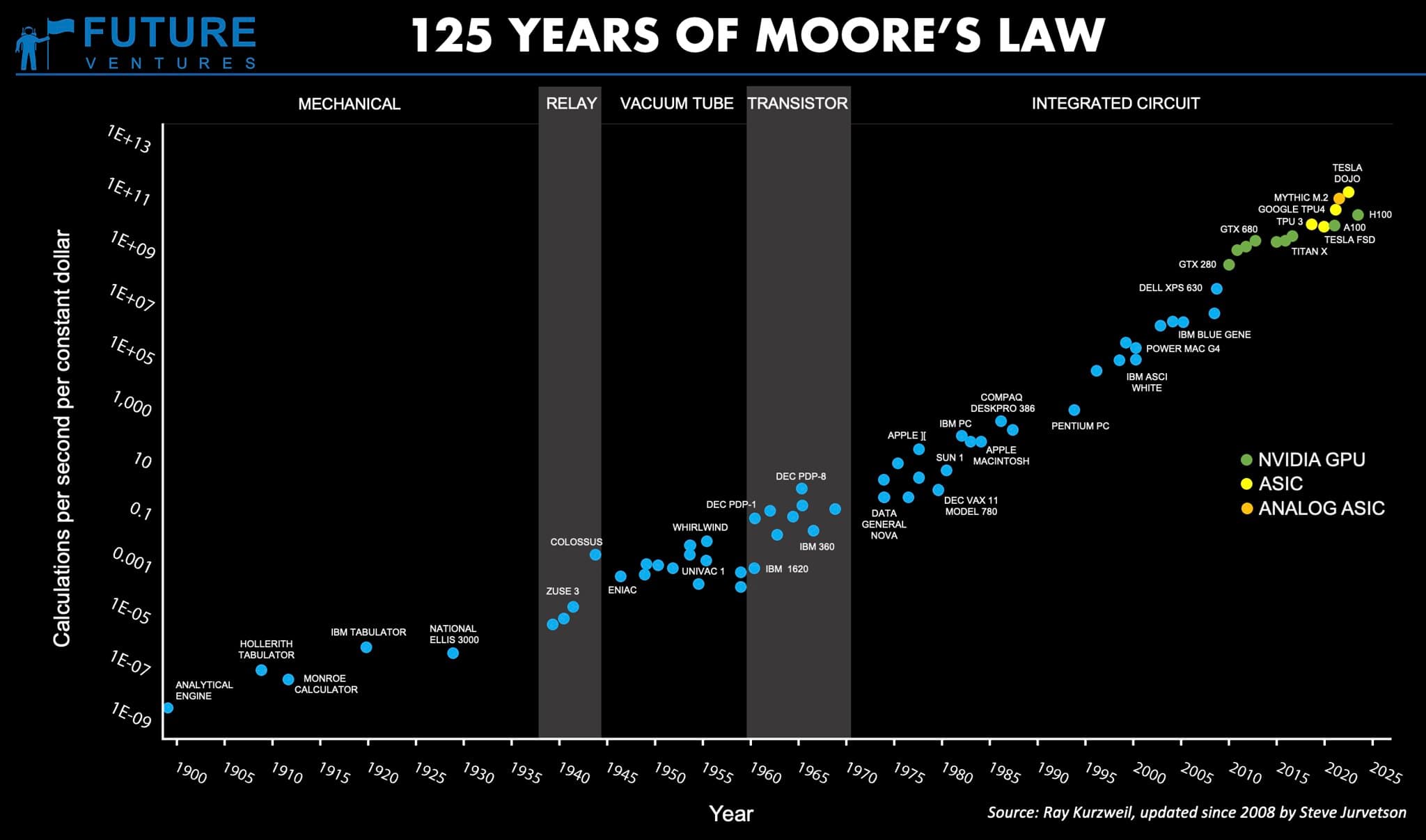
MONDAY, September 14, 2026: A market split is widening as warnings about artificial intelligence accelerate a rotation out of tech stocks into crypto. Bitcoin trades at $77,647, up 1.2% in 24 hours, while Ethereum climbs 1.1% to $2,504. The Nasdaq, up 1.0% to $26,333, masks weakness in the stocks that powered the past two years' rally. NVIDIA, the benchmark AI hardware play, sits flat at $218.29—a direct reversal from its 2023-2024 surge past a $2 trillion market cap.
The pressure originates from Silicon Valley itself. OpenAI chief Sam Altman said the industry "could lose control," echoing warnings about job displacement and AI alignment risks. Senator Schumer called for a classified briefing on AI dangers. President Trump acknowledged the hazards, aligning with a rare bipartisan consensus on slowing development. Geoffrey Hinton, a founding architect of deep learning, resigned from Google to warn publicly about existential risks.
This shift has real consequences. While the S&P 500 and Dow Jones rose 0.9% and 1.0% respectively, Apple, Meta, Microsoft, Amazon, and Alphabet posted gains of 0.6% to 1.9%—solid but unspectacular. NVIDIA's stagnation signals investors are pulling back from the "AI at all costs" bet. Oil surged above $90 a barrel for Brent crude, a classic rotation signal: money is moving out of speculative tech into commodities.
Crypto has decoupled from this tech weakness. Bitcoin's push toward $78,000 and Ethereum's sustained climb reflect structural changes in the asset class. Spot ETF approvals for Bitcoin in January 2024 and Ethereum in May 2024 channeled over $60 billion in net inflows from institutional money—BlackRock, Fidelity, and others. That capital base now shields crypto from tech sector turbulence.
Regulatory clarity is the second pillar. The GENIUS Act, signed in 2025, set strict standards for stablecoin issuers: 1:1 reserve backing, daily attestations, segregated accounts. This directly addressed systemic risks exposed by Terra/LUNA's $40 billion collapse in May 2022. The CLARITY Act, backed by Representatives Patrick McHenry and Ritchie Torres, drew lines between SEC and CFTC authority over digital assets, ending the "regulation by enforcement" era that had targeted Coinbase, Ripple, and others.
That framework is working. Ethena's USDe stablecoin processes over $15 billion daily. Hyperliquid, a Layer 1 built for perpetual futures, has moved over $200 billion in volume since launch. EigenLayer secured over $30 billion in re-staked ETH through its restaking model. Jupiter, Solana's liquidity aggregator, facilitates over $500 million in daily volume. Ondo Finance manages over $2 billion in tokenized U.S. Treasuries and money market funds—real utility, not speculation.
Geopolitical tension adds another layer. China's state media dismissed Western CEO calls for AI slowdowns as "fear mongering." ByteDance, TikTok's develo secured a $29.6 billion state-backed loan to pursue AI dominance. Cohere CEO Aidan Gomez warned that AI models are becoming "the most potent cyber weapon" ever created. That arms-race dynamic pushes investors toward assets insulated from nation-state control.
The Crypto Fear & Greed Index sits at 57—greed territory—a stark contrast to underlying caution in tech. Bitcoin at the $80,000 resistance and Ethereum at the $2,400 support level are the next watchers' marks. Federal Reserve Chair Kevin Warsh's comments on Q3 GDP and inflation, and any new AI liability or licensing proposals from Capitol Hill, will shape the next phase.


